
Vitalik Buterin Backs Gas Changes to Scale Ethereum
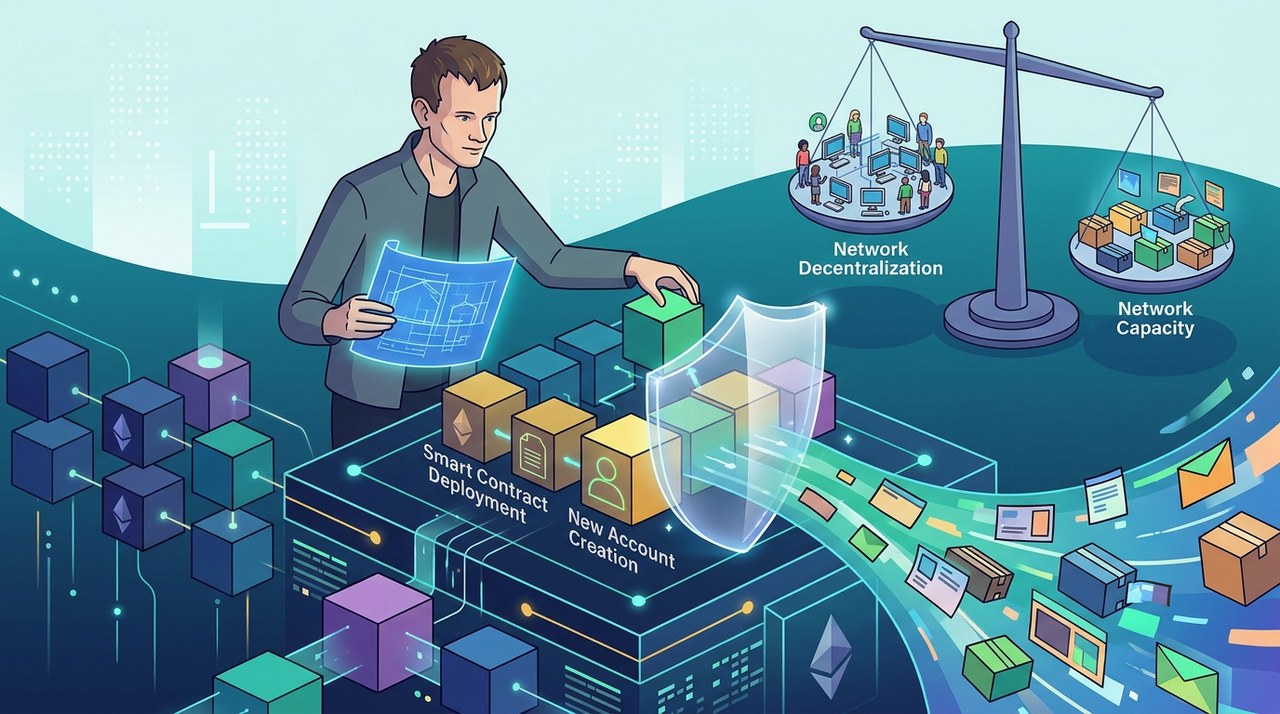
Vitalik Buterin Defends Proposed Gas Repricing
EthereumETH+1.29% co-founder Vitalik Buterin recently voiced his support for a new gas fee proposal. The plan suggests raising gas costs specifically for creating new accounts and deploying smart contracts on the blockchain.
Buterin defended this repricing proposal as a necessary step forward. He emphasized that adjusting these specific costs helps increase overall transaction capacity without sacrificing the network's decentralization.
Understanding Gas and State Storage on Ethereum
To understand why this change matters, it helps to know how gas works. Gas is the fee users pay to complete transactions or execute code on the Ethereum network.
When developers deploy smart contracts or create new accounts, they add permanent data to Ethereum's memory. Every computer node in the global network must store this data forever. Over time, heavy data storage makes running a validator node much harder for regular individuals.
The Balance Between Capacity and Decentralization
If running a node becomes too expensive, only big corporate data centers can afford to participate. That would weaken Ethereum's core promise of decentralization.
By making resource-heavy actions more expensive, the network discourages unnecessary data storage. This keeps validator requirements reasonable while freeing up room to process more everyday transactions smoothly.
Key Takeaways from the Proposal
- Higher Initial Costs: Creating accounts and launching smart contracts will require more gas fuel.
- Protected Decentralization: Keeps data growth manageable so individual users can keep running nodes.
- Increased Network Capacity: Helps Ethereum process more total transactions over time.
- Long-term Stability: Prioritizes sustainable blockchain growth over cheap permanent storage.
What It Means for the Ethereum Ecosystem
For regular crypto holders, basic transactions like sending tokens should remain efficient. Developers deploying complex applications will simply need to plan for higher upfront deployment costs.
As with any technical update involving ETH, network changes aim to improve long-term functionality. Remember that past performance of digital assets does not guarantee future results, and digital asset markets carry risk.
Latest blog posts



Google's Quantum Chip Beats Classical Limits in Impossible Game
Google's latest quantum chip has achieved a historic milestone by outperforming classical supercomputers in a non-local quantum game once deemed mathematically impossible for standard binary hardware.
|

Bitcoin Quantum Threat: Upgrades May Take Longer Than Expected
Quantum computers cannot crack Bitcoin today, but expert Leo Fan warns that upgrading security and moving custodial funds will take substantial time.
|
 +2
Institutional Conviction Meets Market Despair: Week in Review
Bitcoin fell below $62,000 as broader markets faced pressure, yet institutional adoption and blockchain integration hit record milestones.
|