
Bitcoin Quantum Threat: Upgrades May Take Longer Than Expected

Can Quantum Computers Crack Bitcoin Today?
Can a quantum supercomputer break into your Bitcoin wallet right now? The short answer is no. Bitcoin's underlying cryptography remains completely secure today.
However, cybersecurity researchers and blockchain engineers are looking far into the future. Cryptography expert Leo Fan recently raised an important warning about the network's long-term readiness for quantum technology.
While quantum computers cannot break Bitcoin's encryption today, upgrading the network and moving funds away from vulnerable address structures could take much longer than most people expect.
Understanding the Cryptographic Engine Behind Bitcoin
To understand why quantum computing poses a unique challenge, it helps to look at how Bitcoin protects user assets.
Bitcoin uses a cryptographic standard called ECDSA (Elliptic Curve Digital Signature Algorithm). Think of it like a secure lock and key system for your money.
Your public key acts like your mailing address. Anyone can see it to send you funds. Your private key acts like the secret key to your front door. Only you hold it to sign transactions and move your coins.
On traditional computers, calculating a private key from a public key would take billions of years. It is mathematically impossible with current technology.
How Quantum Computing Changes the Rules
Quantum computers do not operate like traditional machines. Instead of using standard binary bits of zeroes and ones, they use quantum bits, or qubits.
With sufficient processing power, a quantum computer could theoretically execute Shor's Algorithm. This mathematical method can derive a private key from an exposed public key in a relatively short timeframe.
Quantum computers can’t break Bitcoin network’s security yet, but Leo Fan warns that upgrading it and moving funds could take longer than expected.
Current quantum hardware is still far too weak to execute such an attack. Scientists estimate that practical quantum threats are still several years or even decades away. So why is there concern right now?
The Real Challenge: Infrastructure and Migration Time
According to Leo Fan, the primary difficulty isn't inventing post-quantum code. Cryptographers have already designed quantum-resistant algorithms.
The true challenge is the massive logistical effort required to upgrade a global, decentralized network like Bitcoin.
Upgrading Bitcoin requires widespread consensus among node operators, miners, developers, and institutional holders across the globe. Changing core cryptographic standards requires careful testing and gradual rollout.
Bridges, Custodians, and Lost Millions
The transition process becomes even more complex when looking at specific parts of the crypto ecosystem:
- Cross-Chain Bridges: Bridges lock native BTCBTC+1.05% on the Bitcoin network to issue wrapped tokens on other blockchains. Updating these multi-chain smart contracts without risking funds requires delicate coordination.
- Institutional Custodians: Exchanges and custodial service providers store billions of dollars in BTC using complex multi-signature cold storage setups. Moving these assets to post-quantum addresses requires extensive operational planning.
- Dormant and Early Addresses: Early Bitcoin transactions exposed public keys directly on the ledger (Pay-to-Public-Key addresses). This category includes an estimated one million coins mined by Satoshi Nakamoto. If original owners cannot or do not move these old assets, those coins could remain vulnerable once quantum technology arrives.
How Bitcoin Can Prepare for a Quantum Future
To protect the network long-term, developers will eventually introduce quantum-resistant signature schemes through network upgrades.
Users will simply need to transfer their Bitcoin from legacy addresses to new post-quantum address formats. For active individual holders, executing this transaction will be straightforward.
However, because moving billions in institutional funds and securing complex infrastructure takes years of preparation, experts emphasize starting the transition framework early.
Understanding these engineering hurdles highlights the continuous effort required to keep decentralized networks safe. As quantum technology progresses, developers remain focused on safeguarding Bitcoin for future generations.
Past performance of digital assets or security models is no guarantee of future results. Always conduct independent research when exploring digital asset technology.
Latest blog posts
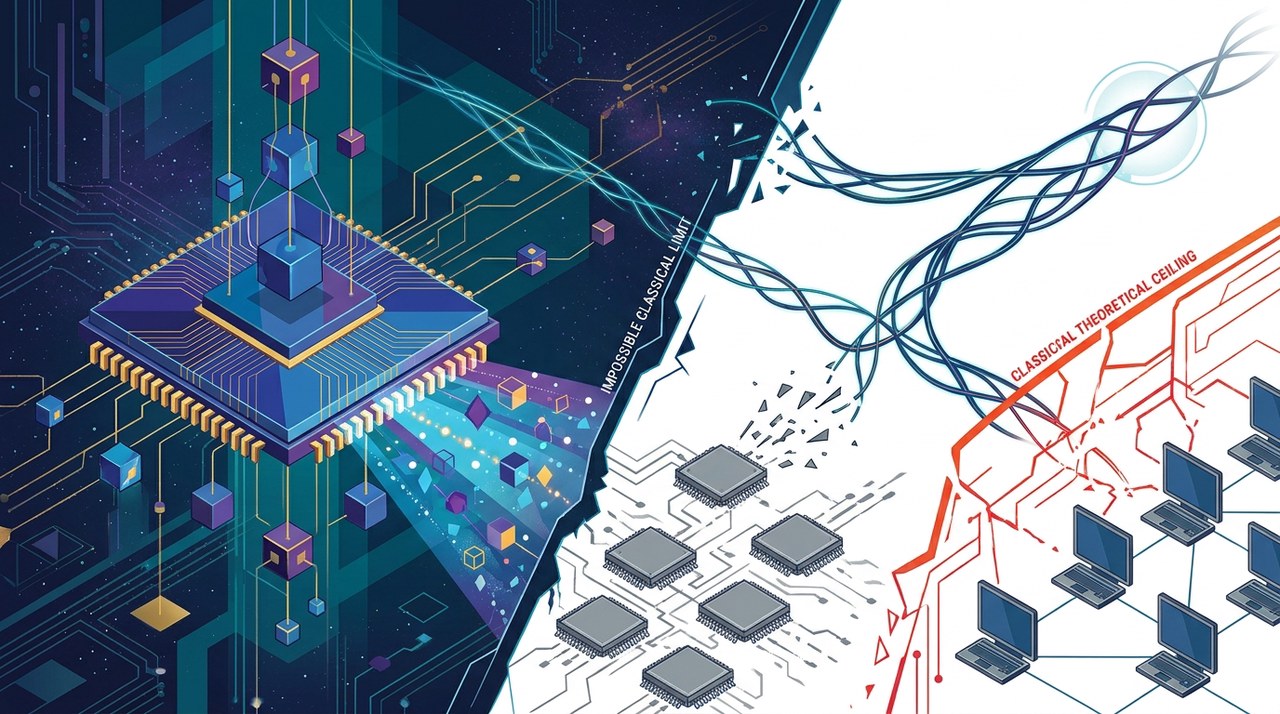


Google's Quantum Chip Beats Classical Limits in Impossible Game
Google's latest quantum chip has achieved a historic milestone by outperforming classical supercomputers in a non-local quantum game once deemed mathematically impossible for standard binary hardware.
|

 +2
Institutional Conviction Meets Market Despair: Week in Review
Bitcoin fell below $62,000 as broader markets faced pressure, yet institutional adoption and blockchain integration hit record milestones.
|


XRP Faces Record November Loss as December Data Emerges
XRP has declined by 25.4% in November 2026, marking its largest November drop on record, while historical data shows mixed trends for December.
|