
Visa Survey: 46% of APAC Consumers Plan Stablecoin Use

Visa Study Highlights Growing APAC Interest in Stablecoins
Payment giant Visa recently published findings showing a major shift in how Asia-Pacific (APAC) consumers view digital currencies.
According to the Visa Consumer 360 study, nearly half of consumers in the region expect to use stablecoins over the next five years.
The comprehensive survey polled over 14,000 consumers aged 18 to 65 across 14 key APAC markets. These markets included China, Taiwan, Hong Kong, Japan, India, and Australia.
Everyday Spending Takes Center Stage
While only 16% of respondents used stablecoins in the past year, 46% said they are likely to use them in the next five years.
Interestingly, people are shifting away from viewing stablecoins strictly as investment or crypto trading tools. Instead, everyday use cases are driving interest.
Top use cases identified by respondents include online purchases, travel expenses, and overseas shopping.
Among consumers aware of stablecoins, 49% believe these assets will be commonly used for cross-border payments within five years.
Knowledge Gaps and Misconceptions Remain High
Despite growing interest, understanding of how stablecoins function remains low across the region.
The survey revealed that only 6% of consumers fully understand the inner mechanics of stablecoins. Furthermore, 41% incorrectly believe that stablecoins increase in value over time.
For consumers aware of stablecoins who have not yet used them, two main obstacles stand out:
- Fear of scams (38%)
- Lack of understanding (36%)
When considering providers, respondents ranked central bank-linked entities and regulated financial institutions as the most trusted sources for stablecoin services.
Visa Positions Itself for Regulated Stablecoin Settlements
Visa aims to address user concerns by integrating stablecoin technology directly into trusted, regulated payment networks.
Nischint Sanghavi, Head of Digital Currencies, Asia Pacific at Visa, stated: "Consumers are beginning to see how stablecoins could support the ways they already spend and move money, particularly through online purchases, travel, and cross-border transfers. The opportunity now is to turn that interest into trusted and familiar payment experiences that work at scale."
"Consumers want stablecoins to feel like a natural part of the payments they already trust, not a separate system. Our role is to connect emerging stablecoin technology with the secure, familiar payment experiences consumers rely on every day," Sanghavi added.
Visa has already been integrating stablecoins into its settlement systems. Its annualized stablecoin settlement run rate recently crossed $20 billion, marking a 15-fold increase year-over-year. (Note: Past performance or operational metrics do not guarantee future performance.)
Institutional Pilots: Lloyds Banking Group Settles with USDCUSDC+0.12%
Major financial institutions are already testing these concepts in practical settings.
In a recent trial, Lloyds Banking Group used USDC to settle $750,000 in live payment obligations with Visa across a seven-day period while traditional banks were closed.
This trial demonstrates how regulated stablecoins can handle settlements outside standard banking hours, paving the way for broader enterprise adoption.
Latest blog posts



 +1
David Schwartz Speaks Out Over XRP Price Influence
Former Ripple CTO David Schwartz clarified that while his impact on XRP's price is minimal, he is setting clear boundaries against social media harassment.
|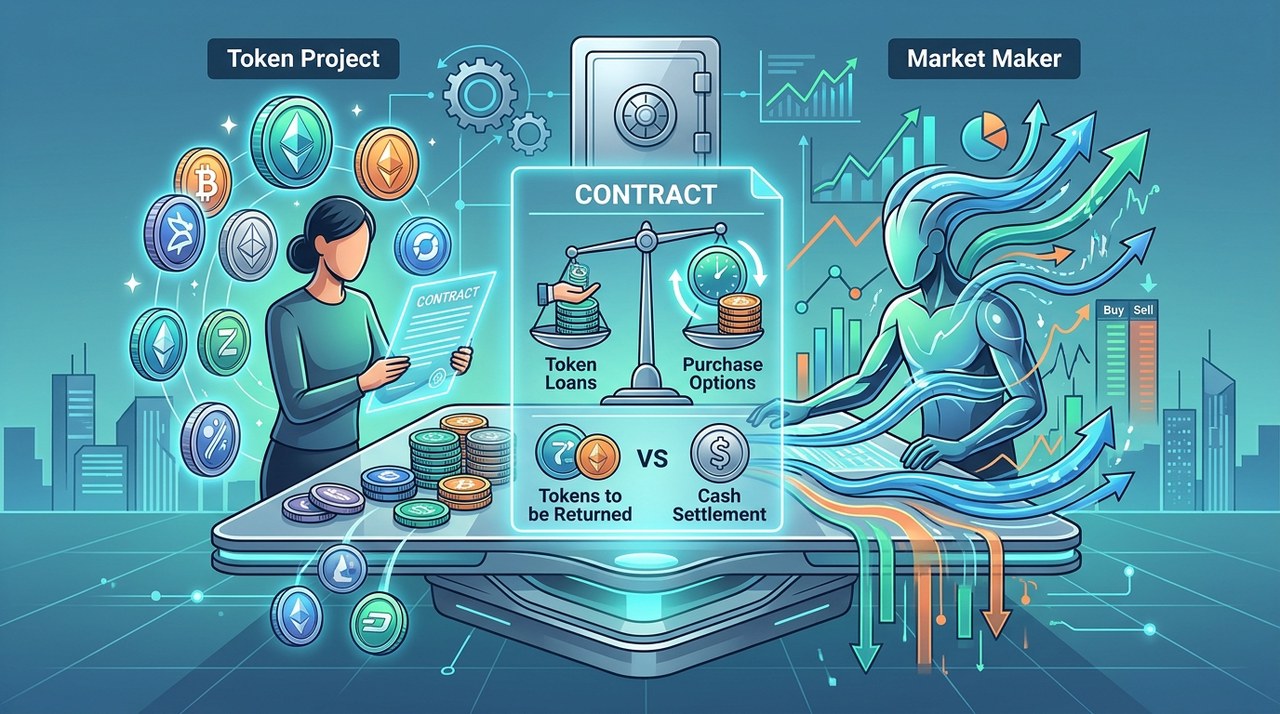
Crypto Market Making: Key Terms Token Projects Must Negotiate
Token projects must negotiate clear terms before signing market-making agreements to protect treasury assets and manage trading risks effectively.

Global Crypto Race: Which Region Wins on Regulation?
Countries around the world are competing to build the best rules for Web3 businesses. Here is how Europe, the US, Asia, and the Middle East compare.