
US Sanctions 45 Targets Linked to Alleged Crypto Scam Empire

US Authorities Crack Down on Prince Group Sanction Targets
The United States government has taken action against a massive international fraud network. Authorities designated 45 additional individuals and business entities tied to the Prince Group. This conglomerate has been linked to large-scale crypto scams and organized financial crime across Southeast Asia.
This decisive enforcement action was coordinated through the Office of Foreign Assets Control, also known as OFAC. OFAC is the primary agency responsible for enforcing economic sanctions for the United States Department of the Treasury.
By placing these targets on the sanctions list, U.S. officials aim to freeze illicit funds and disrupt global money laundering networks. This move cuts off accused scam operations from access to the traditional financial system and major digital asset service providers.
What Is the Prince Group and How Did the Scams Operate?
The Prince Group is a prominent business empire with deep roots in Cambodia and international holdings. Over recent years, investigative journalists and law enforcement agencies have raised red flags about its operations. They connect elements of the conglomerate to cybercrime compounds operating in the region.
These compounds often operate under the cover of legitimate businesses or real estate developments. Inside, workers are frequently coerced or tricked into running sophisticated online fraud schemes that target victims globally.
One of the primary tactics associated with these operations is known as pig butchering or Sha Zhu Pan. Scammers build trust with victims over several weeks or months through social media or messaging platforms.
Once trust is established, the scammer convinces the target to invest money into fake crypto trading platforms. Victims see deceptive profits on their screen, which encourages them to deposit even more money. However, when victims attempt to withdraw their funds, the platform blocks them and demands fake tax payments or processing fees.
Why Crypto Is Used and How Law Enforcement Tracks It
Scammers often favor cryptocurrencies like BitcoinBTC-0.23% and stablecoins because they allow fast cross-border payments. Crypto transactions process within minutes regardless of international borders. This speed lets bad actors move funds quickly across different jurisdictions.
However, crypto is far from anonymous. Public blockchains act as open digital ledgers. Every transaction leaves a permanent record that anyone can view and trace.
Law enforcement agencies and blockchain analytics companies use sophisticated tools to map out wallet addresses. They can trace illicit funds as they move through different wallets, decentralised exchanges, and mixing services.
When these illegal funds touch regulated centralized exchanges to cash out into fiat currency, authorities can intervene. They issue freeze requests or enforce sanctions compliance, blocking bad actors from utilizing their stolen wealth.
What Sanctions Mean for the Crypto Ecosystem
When OFAC places an individual or company on its sanction list, all of their assets within the United States or controlled by U.S. persons are immediately blocked. Financial institutions worldwide also monitor these lists to avoid facilitating transactions for sanctioned entities.
For the broader crypto industry, regulatory crackdowns on fraudulent operations are generally viewed as a step toward long-term security. Removing bad actors helps build a safer environment for legitimate users, traders, and investors.
While market prices often experience short-term volatility during major geopolitical or regulatory news, regulatory clarity helps establish clear boundaries for legal crypto operations globally. Remember that digital asset markets are inherently volatile. Past performance of digital assets is not an indication of future returns.
How to Identify and Protect Yourself from Crypto Scams
Staying safe in the digital asset space requires caution and awareness. Scammers constantly update their methods, but they rely on similar psychological tactics to trick users.
Here are essential security steps to protect your funds:
- Be cautious of unsolicited contact: Be wary of strangers who reach out on social media or messaging apps offering investment advice or romance.
- Avoid guaranteed returns: Legitimate investments always carry risk. Anyone promising guaranteed or risk-free profits is likely running a scam.
- Verify platforms before depositing: Always double-check web addresses and make sure trading platforms are registered with official financial regulators.
- Keep your private keys secret: Never share your private keys, recovery seed phrases, or account passwords with anyone under any circumstances.
Looking Ahead: Regulatory Enforcement in Digital Assets
The sanctions against the 45 targets linked to the Prince Group signal a growing effort by global law enforcement to dismantle cybercrime networks. Coordinated actions between treasury departments, law enforcement, and blockchain forensic teams demonstrate that illegal operations face increasing scrutiny.
As governments refine their oversight of digital assets, financial institutions and regulated exchanges will continue enforcing strict Identity Verification (KYC) and Anti-Money Laundering (AML) protocols. These standards help ensure that public blockchains remain open for innovation while curbing abuse by criminal organizations.
Latest blog posts
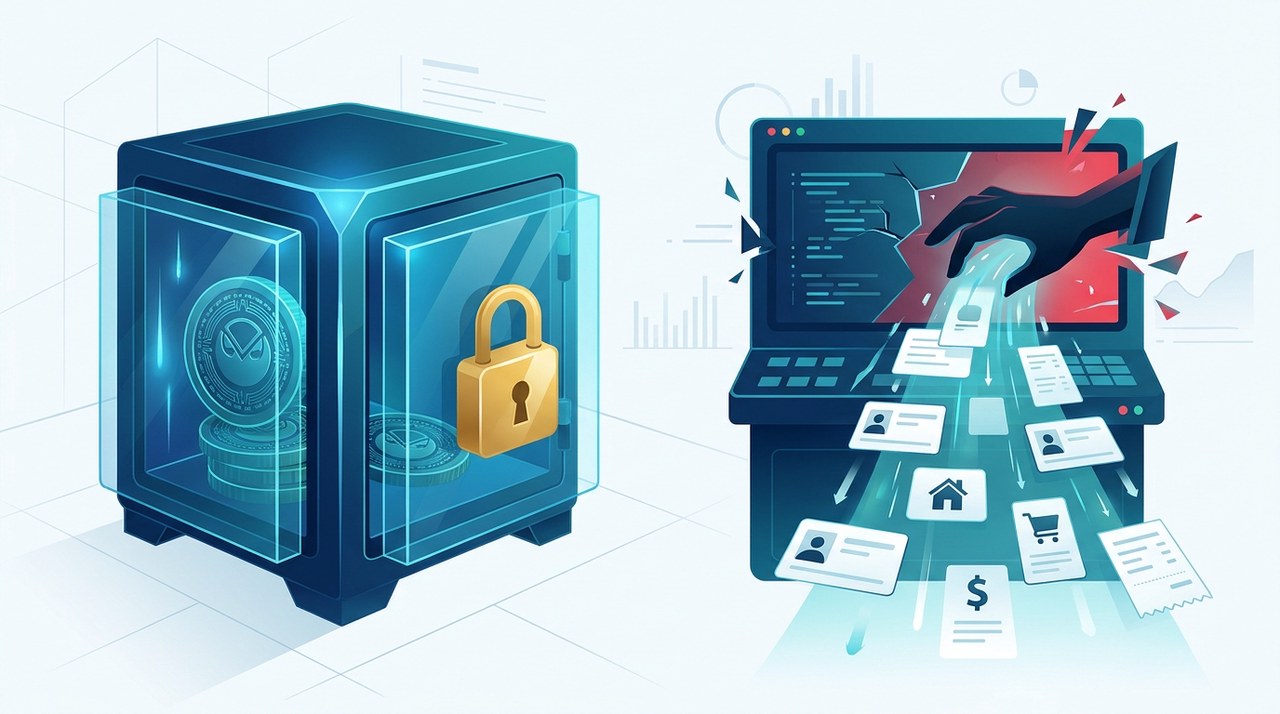

Gnosis Pay Data Breach: User Data Exposed, Crypto Safe
Gnosis Pay confirmed a breach of its legacy card processing system on November 3, exposing user data while leaving crypto funds secure.
|

 +1
USDG Stablecoin Supply Jumps 10x as Arbitrum Backs Builders
USDG supply on GMX grew from $1.5 million to nearly $17 million, prompting Arbitrum to offer rewards for developers using the stablecoin.
|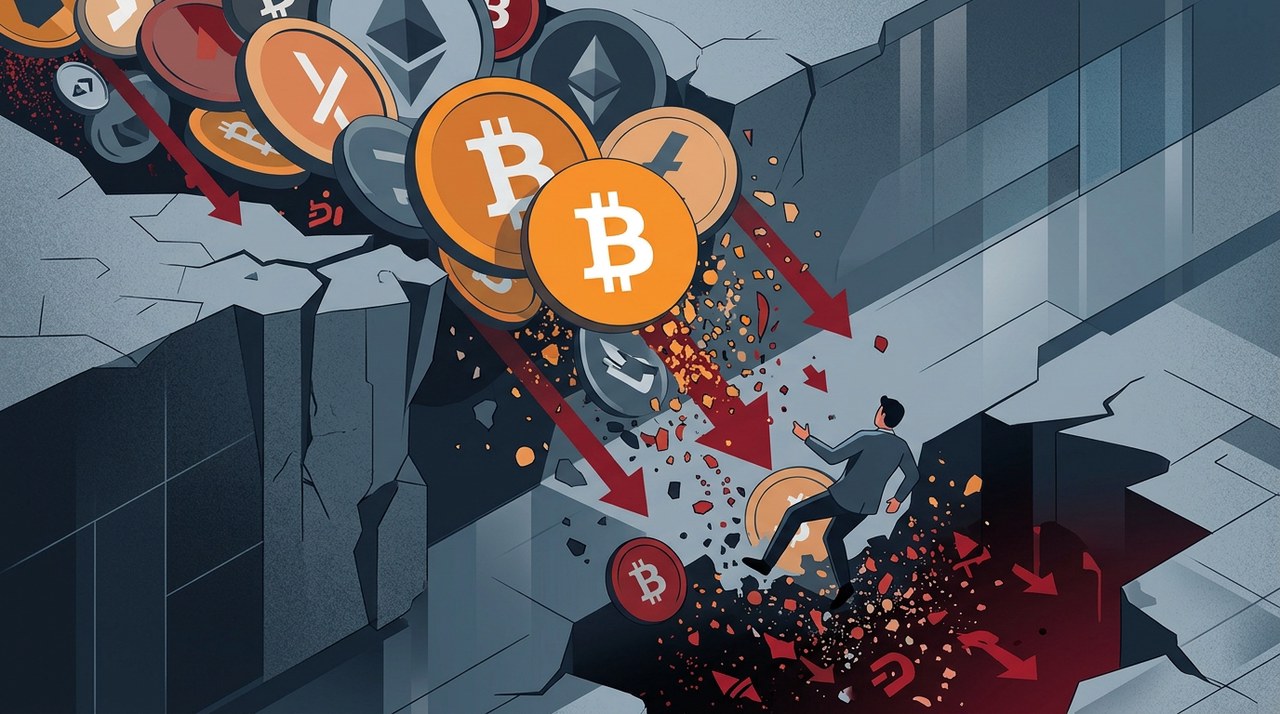
Crypto Liquidations Surpass $1 Billion as Bitcoin Hits 11-Week Low
Total crypto liquidations exceeded $1 billion as Bitcoin tested an 11-week low, driving heightened activity across prediction markets.
|