
Gnosis Pay Data Breach: User Data Exposed, Crypto Safe
What Happened in the GnosisGNO+0.00% Pay Security Incident?
Gnosis Pay, a UK-based fintech project connected to the Gnosis (GNO) ecosystem, confirmed a security breach on November 3, 2026. The incident specifically impacted personal data belonging to holders of its retail Visa debit cards.
Here is the most critical fact right up front: your crypto funds remain completely safe. The breach did not affect smart contracts or blockchain wallets, and no user funds were stolen.
How the Breach Occurred and What Was Compromised
The unauthorized access involved a legacy B2C card processing system. Gnosis Pay was already preparing to retire this specific system, with a full shutdown scheduled for December 20, 2026.
When the security team detected the intrusion, they responded quickly. Within two hours, they revoked the compromised API keys and contained the threat.
Despite the swift response, attackers managed to copy personal cardholder data, including:
- Cardholder names and physical addresses
- Purchase details and transaction records
- Account contact information
The company's enterprise and white-label B2B infrastructure was not touched by the hack. Additionally, card issuer Monavate Limited, which is regulated by the UK Financial Conduct Authority (FCA), continues to operate as normal.
Why Hackers Target Crypto-Fiat Gateways
Breaking into audited blockchain contracts is extremely difficult for hackers. Because of this, bad actors often target traditional Web2 databases that bridge crypto assets to real-world fiat payments.
This Gnosis Pay event highlights a pattern seen across the industry throughout 2026. Similar third-party data leaks previously affected wallet and hardware providers like Ledger, Trezor, SafePal, and Keystone.
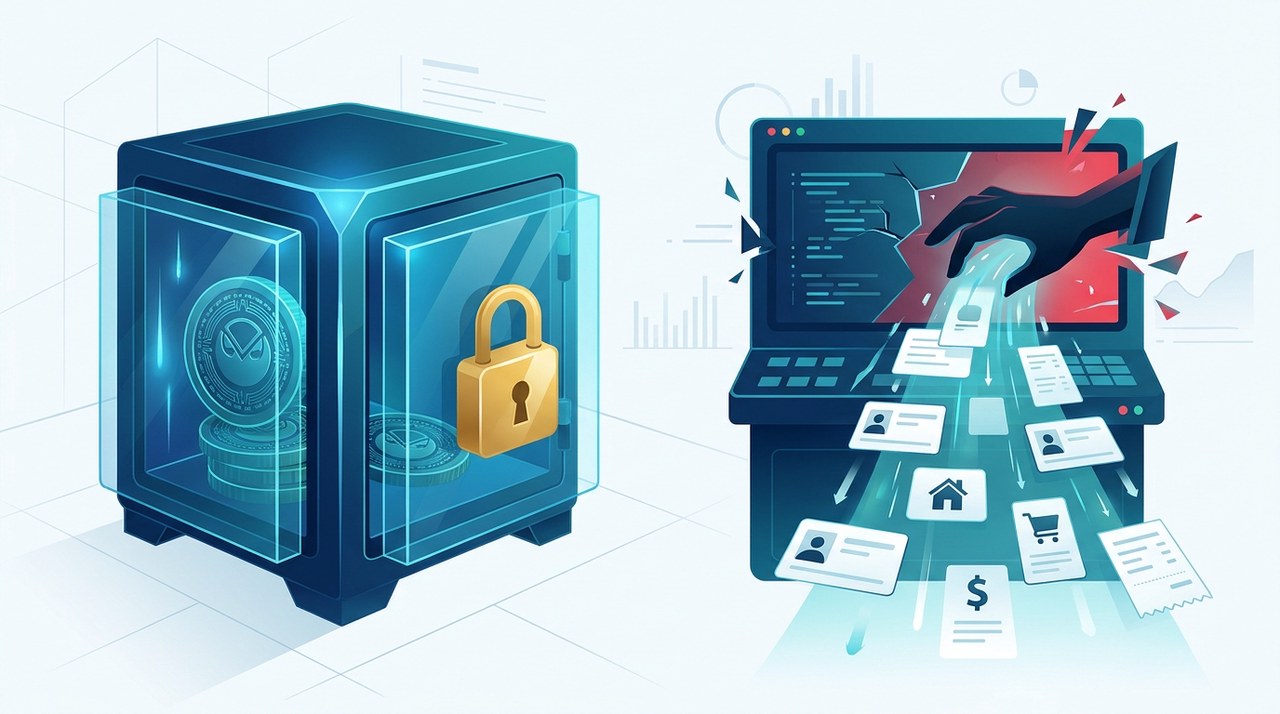
Think of it like a bank vault versus a filing cabinet in the lobby. The crypto vault stayed locked, but the customer list in the filing cabinet got copied.
Emergency Response and Security Updates
Gnosis Pay has completed sending emails to affected users detailing the exact information exposed. Until the legacy platform goes offline on December 20, the team is operating under heightened security protocols.
To prevent unauthorized spending, Gnosis Pay implemented immediate updates:
- Mandatory 3D Secure (3DS) verification for all online card payments
- Increased automated transaction monitoring to spot suspicious activity
- Direct warning notifications to all impacted retail customers
How to Protect Yourself from Phishing Attacks
The primary danger following a data leak is phishing. armed with personal addresses and transaction histories, scammers can create convincing fake support emails or calls.
Gnosis Pay issued an urgent alert reminding users of key safety rules:
Gnosis Pay and its Partner Apps will never ask for security credentials such as seed phrases, private keys, PINs, or full card numbers to verify or cancel transactions.
To protect your identity and funds, keep these precautions in mind:
- Never share your seed phrase, private key, or PIN with anyone.
- Do not click links in unexpected emails claiming to represent customer support.
- Make all official account management updates directly inside the official mobile app.
- Be wary of urgent requests demanding verification of your identity or recent transactions.
Digital asset platforms continuously update security, but operational risks remain present across traditional and crypto financial infrastructure. Users should remain vigilant and practice strict personal security measures.
Latest blog posts


 +1
USDG Stablecoin Supply Jumps 10x as Arbitrum Backs Builders
USDG supply on GMX grew from $1.5 million to nearly $17 million, prompting Arbitrum to offer rewards for developers using the stablecoin.
|
Crypto Liquidations Surpass $1 Billion as Bitcoin Hits 11-Week Low
Total crypto liquidations exceeded $1 billion as Bitcoin tested an 11-week low, driving heightened activity across prediction markets.
|
Gnosis Pay Reports Customer Data Breach on Legacy System
Gnosis Pay revealed that hackers accessed customer data on an older system. User funds and main card platforms remain completely safe.
|