
UK Warns AI Ransomware Attacks Highly Likely by 2028
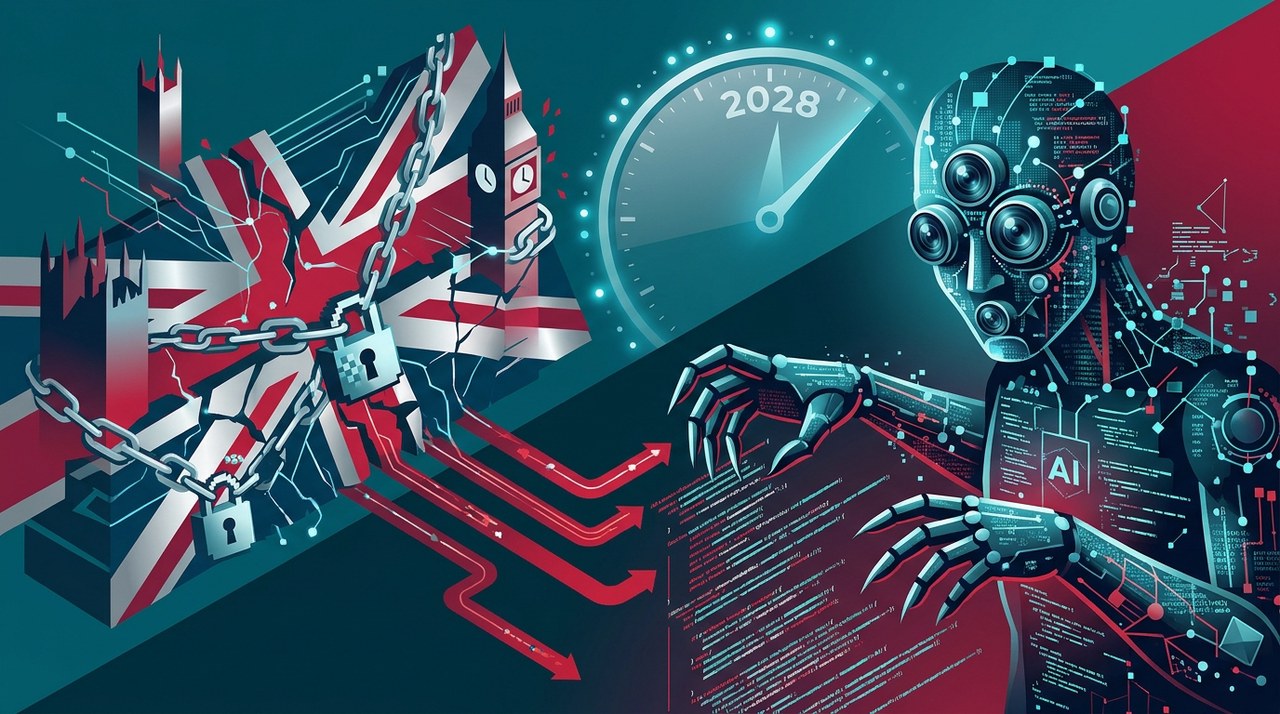
UK Issues Strong Warning on AI CyberCYBER+0.00% Threats
Artificial intelligence is advancing at a rapid pace, and cybersecurity authorities in the United Kingdom are issuing a clear warning about its risks. According to official assessments, AI-powered ransomware attacks against critical national infrastructure are highly likely to become a major threat by 2028.
Cybercriminals are increasingly adopting machine learning tools to discover system vulnerabilities much faster than human security teams can patch them. This technical shift means digital attacks could soon become more frequent, more tailored, and harder to stop.
How Artificial Intelligence Supercharges Ransomware
To understand the severity of this warning, it helps to look at how ransomware works. Ransomware is malicious software that locks computer networks or encrypts critical files. The attackers then demand payment from the victim to restore access.
Integrating artificial intelligence into these attacks lowers the technical bar for criminals while magnifying their reach. Experts highlight several ways AI alters the threat landscape:
- Rapid Security Scanning: AI models can analyze vast codebases in seconds to identify hidden security flaws.
- Convincing Phishing Messages: Generative AI allows attackers to craft realistic, error-free messages in multiple languages to deceive employees.
- Automated Exploitation: Attack scripts enhanced by AI can automatically adapt to security defenses without manual human intervention.
What Is Critical National Infrastructure?
When cybersecurity officials talk about critical national infrastructure, they are describing the vital services that keep everyday life running smoothly. A prolonged disruption to these systems can have serious economic and societal consequences.
Key sectors included under critical infrastructure consist of:
- Healthcare Systems: Hospitals, patient databases, and emergency care networks.
- Energy Grids: Power plants, electricity transmission, and fuel distribution networks.
- Financial Services: Banking networks, digital payment rails, and central exchanges.
- Transportation: Air traffic control centers, rail networks, and major shipping ports.
The Link Between Cyberattacks and Cryptocurrency
Cryptocurrency frequently enters discussions about ransomware because attackers often demand extortion payments in digital tokens. Cybercriminals favor digital assets for cross-border transfers due to their speed and global reach.
However, the digital asset ecosystem is evolving rapidly. Modern blockchain intelligence tools enable law enforcement agencies and security firms to track public ledger transactions far more effectively than in previous years.
It is important to remember that digital assets are neutral technologies used across many industries. As regulatory frameworks mature globally, security protocols across digital networks continue to strengthen.
When reviewing market trends or exploring digital assets, keep in mind that past performance of digital assets is not an indicator of future results. You can track real-time asset data on transparent platforms like Bitkub Market.
Tracking Tech Trends and Prediction Markets
As concerns over artificial intelligence grow, analysts across financial and tech sectors closely monitor key industry benchmarks. Prediction markets and economic indicators frequently track developments around major hardware manufacturers and AI software providers.
Market participants use these metrics to gauge sentiment around technological adoption and economic growth. However, market conditions remain subject to macroeconomic shifts, policy changes, and unforeseen security challenges.
Evaluating tech and market developments requires considering both potential benefits and downside risks. Prices and market forecasts fluctuate based on broader market liquidity and economic stability.
How to Protect Your Personal Digital Security
While national security warnings sound intimidating, individual user actions play a critical role in overall digital hygiene. Applying basic safety habits protects personal accounts from automated cyber threats.
Here are actionable steps to safeguard your online presence:
- Enable Two-Factor Authentication (2FA): Add an extra security layer to email, financial accounts, and exchange wallets.
- Update Systems Regularly: Install operating system and application updates promptly to patch known vulnerabilities.
- Verify Incoming Communication: Double-check sender details before clicking links or downloading files from unverified emails.
- Use Strong Passwords: Store complex, unique passwords in a secure password manager rather than reusing simple phrases.
As artificial intelligence tools continue to improve, both defensive teams and attackers will update their strategies. Maintaining strong security habits remains the most effective defense for individuals navigating today's digital landscape.
Latest blog posts
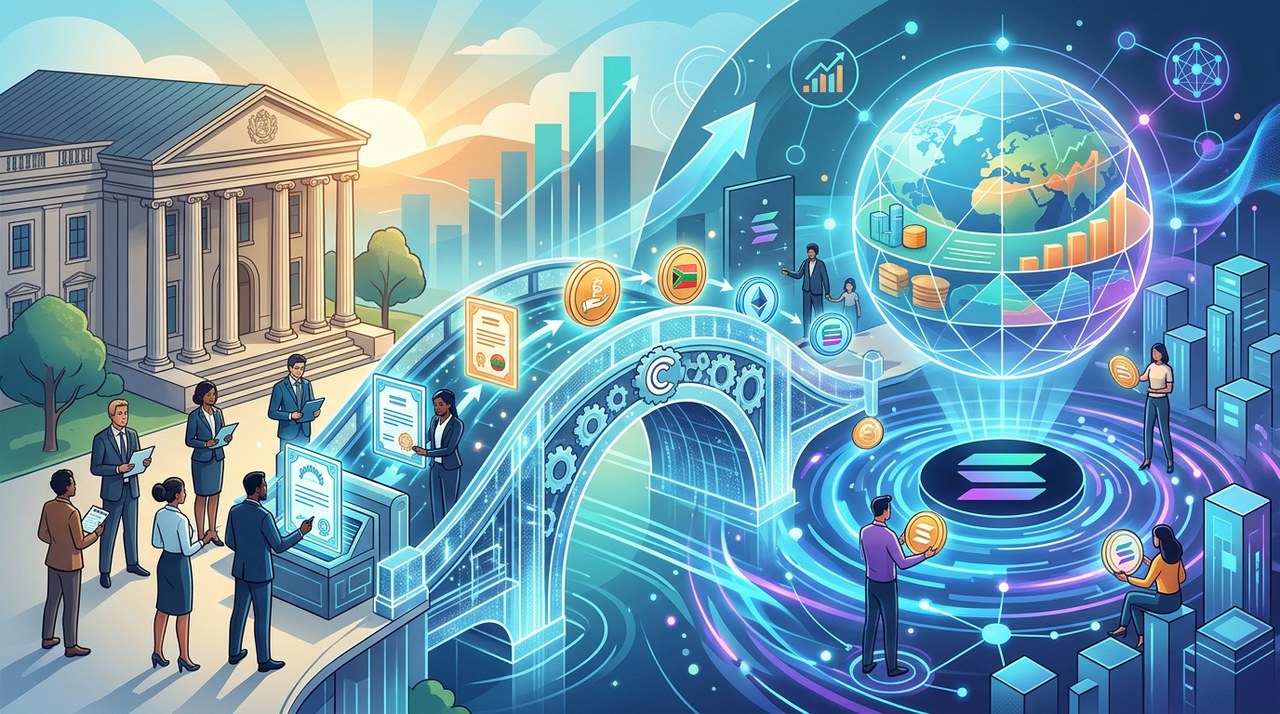

Schroders Launches Tokenized Emerging Markets Fund on Solana
Global asset manager Schroders has teamed up with Centrifuge to launch a tokenized emerging markets bond strategy on the Solana blockchain.
|

Bitcoin Crosses $80,000 as Oil Prices Drop Following US Elections
Bitcoin climbed back above $80,000 while US crude oil dropped 12% following the midterm election results, bringing fresh activity to crypto markets.
|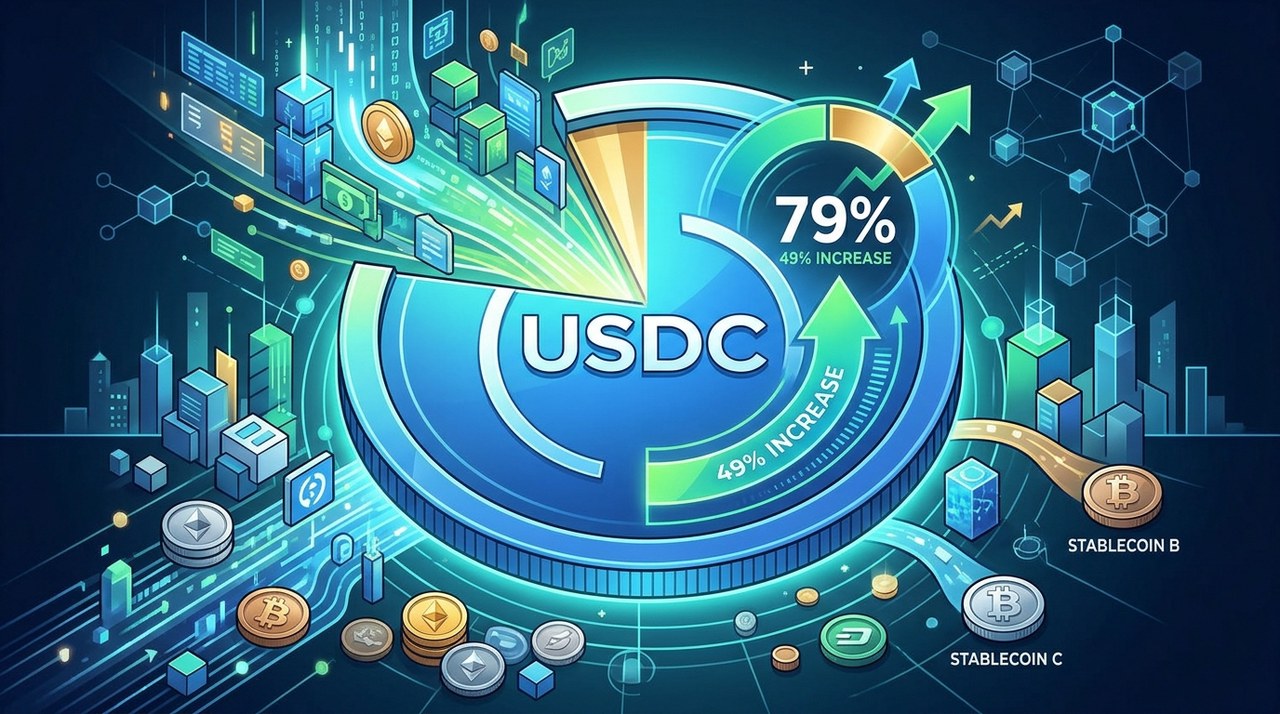


Circle's USDC Claims 79% Share of Stablecoin Volume
Circle reported that USDC accounted for 79% of all stablecoin transaction volume in Q3 2026, processing $13.9 trillion across global blockchains.
|