
Schroders Launches Tokenized Emerging Markets Fund on Solana

Big traditional financial institutions are continuing to explore the world of blockchain technology. In one of the latest high-profile developments, Schroders, a global asset management firm overseeing more than $1 trillion in assets, has officially brought its emerging markets debt strategy onchain.
To make this happen, Schroders collaborated with Centrifuge, an infrastructure provider focused on real-world asset (RWA) tokenization. Together, they are launching this actively managed fund on the SolanaSOL+3.70% blockchain. This project represents another key step in bringing traditional investment funds into decentralized ecosystems.
Who Are the Key Players Involved?
To understand why this news is catching the attention of both Wall Street and the crypto community, it helps to look at the three primary entities making it happen.
- Schroders: A London-headquartered asset manager with over two centuries of financial history. Managing well over $1 trillion in assets under management (AUM), Schroders is one of the established global financial institutions to deploy an active bond fund strategy directly onto a public blockchain network.
- Centrifuge: A financial protocol specifically designed to bridge real-world assets into Web3. Centrifuge provides the compliance frameworks, tokenization tools, and smart contract structures required to bring traditional credit and fund instruments onchain.
- Solana: A high-speed Layer 1 blockchain platform known for its low transaction costs and rapid processing speeds. Solana has increasingly become a choice network for institutional applications seeking scalable infrastructure.
Breaking Down Tokenized Emerging Markets Debt
If terms like emerging markets debt and tokenization sound complex, we can break them down into simple everyday concepts.
Emerging markets debt refers to bonds or fixed-income loans issued by governments or corporations located in developing economies. These markets can include countries across Latin America, Asia, Eastern Europe, and Africa. Investors often look at these instruments because they may offer yields distinct from bonds issued in fully developed economies. However, they also come with specific risks, such as local currency volatility, political shifts, and credit default potential.
Tokenization, on the other hand, is the process of converting ownership rights of an asset into a digital token on a blockchain. Think of it like a digital proof of ownership that can be recorded, transferred, and managed securely using smart contracts.
When you combine the two, a tokenized emerging markets debt fund allows qualified investors to hold digital tokens representing shares of an actively managed bond strategy. Instead of waiting days for legacy clearing systems to finalize a trade, record-keeping can happen directly on the open ledger.
Why Is Active Management Onchain Significant?
Many early tokenized financial products on blockchains were passive index trackers or basic stablecoins pegged to fiat currencies. An actively managed fund operates quite differently.
In an actively managed strategy, professional fund managers continuously analyze market conditions, adjust bond allocations, manage risk exposure, and select individual securities to pursue investment goals. Bringing an actively managed portfolio onchain demonstrates that blockchain technology can support sophisticated, dynamic investment strategies rather than just static tokens.
Why Did Schroders Choose Solana and Centrifuge?
Building institutional financial products on public blockchains requires high performance alongside robust compliance infrastructure.
Solana was selected due to its throughput capacity and minimal transaction costs. For tokenized assets that require frequent updates, yield calculations, or rebalancing actions, a high-performance network helps maintain operational efficiency.
Meanwhile, Centrifuge provides the specialized legal and technical framework required to tokenize financial claims. It allows asset managers to maintain regulatory compliance while interacting with public blockchain networks.
The Broader Trend: Real-World Assets (RWAs)
The launch by Schroders fits into a growing global focus on Real-World Asset (RWA) tokenization. Major global financial institutions are actively examining ways to transition conventional financial instruments—including government debt, corporate bonds, real estate, and private capital—onto public ledgers.
Proponents of RWA tokenization highlight several potential structural advantages:
- Faster Settlement: Blockchain transactions can streamline settlement times compared to traditional multi-day clearing operations.
- Greater Transparency: Investors can review asset backing and fund structures transparently on an open ledger.
- Automated Operations: Smart contracts automate administrative tasks such as compliance checks, record updates, and distribution distributions.
- Continuous Availability: Blockchain networks run 24 hours a day, 7 days a week, operating outside conventional banking hours.
Important Considerations and Risk Factors
While tokenization brings technical innovations to asset management, market participants must remain mindful of the inherent risks associated with both digital assets and emerging market investments.
Key risk factors to understand include:
- Credit and Market Risk: Emerging market securities can be impacted by macroeconomic changes, inflation pressures, foreign exchange shifts, and geopolitical events.
- Smart Contract and Technical Risk: Onchain products rely on code. Technical vulnerabilities, smart contract bugs, or underlying network congestion can present operational risks.
- Regulatory Uncertainty: Legal frameworks governing tokenized securities are evolving across different jurisdictions worldwide.
- Liquidity Considerations: Tokenized funds remain subject to traditional fund liquidity rules, investor eligibility checks, and redemption restrictions.
Past performance of digital assets or asset management strategies does not guarantee future results. Investors should evaluate financial products carefully based on their personal risk tolerance.
Looking Ahead: Bridging Traditional Finance and Blockchain
The arrival of Schroders' tokenized emerging markets debt fund on Solana via Centrifuge showcases the ongoing intersection between traditional asset management and public blockchain technology.
As traditional asset managers continue testing real-world asset solutions, public blockchains are increasingly being evaluated as modern infrastructure for global financial markets. Readers interested in tracking cryptocurrency market data can check real-time updates via the Bitkub SOL Market while staying informed on regulatory and technological developments.
Latest blog posts
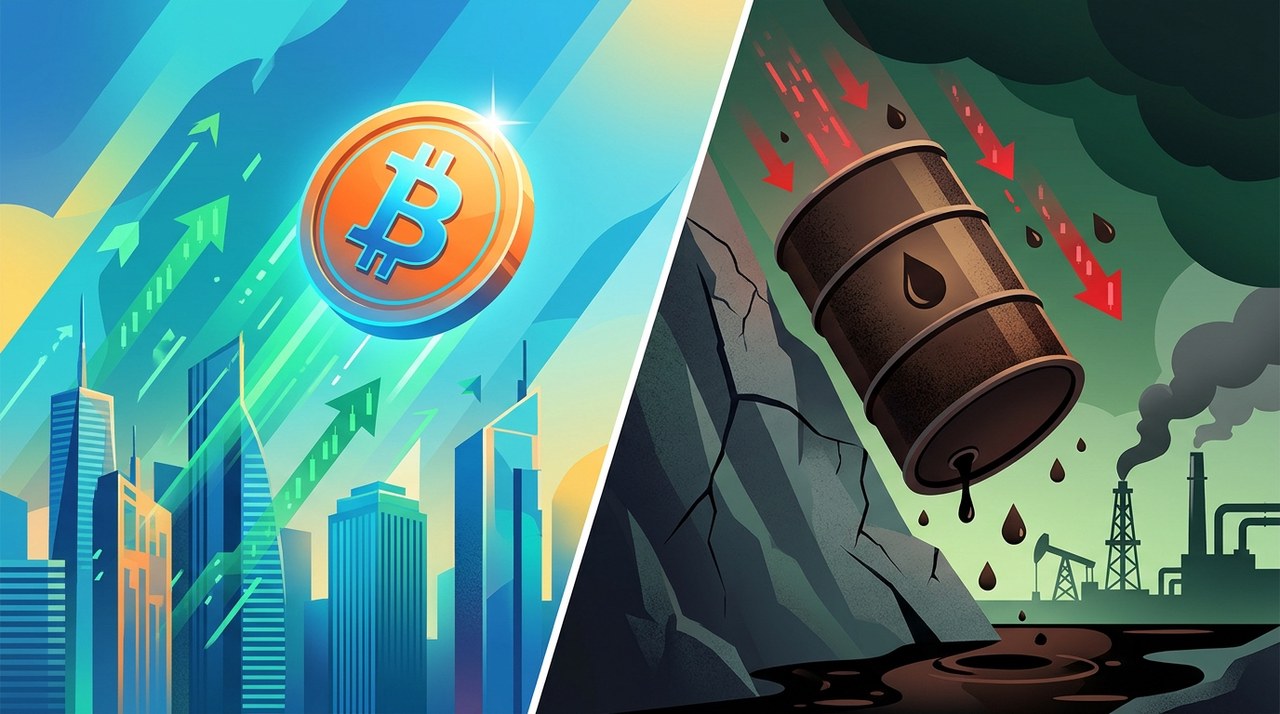

Bitcoin Crosses $80,000 as Oil Prices Drop Following US Elections
Bitcoin climbed back above $80,000 while US crude oil dropped 12% following the midterm election results, bringing fresh activity to crypto markets.
|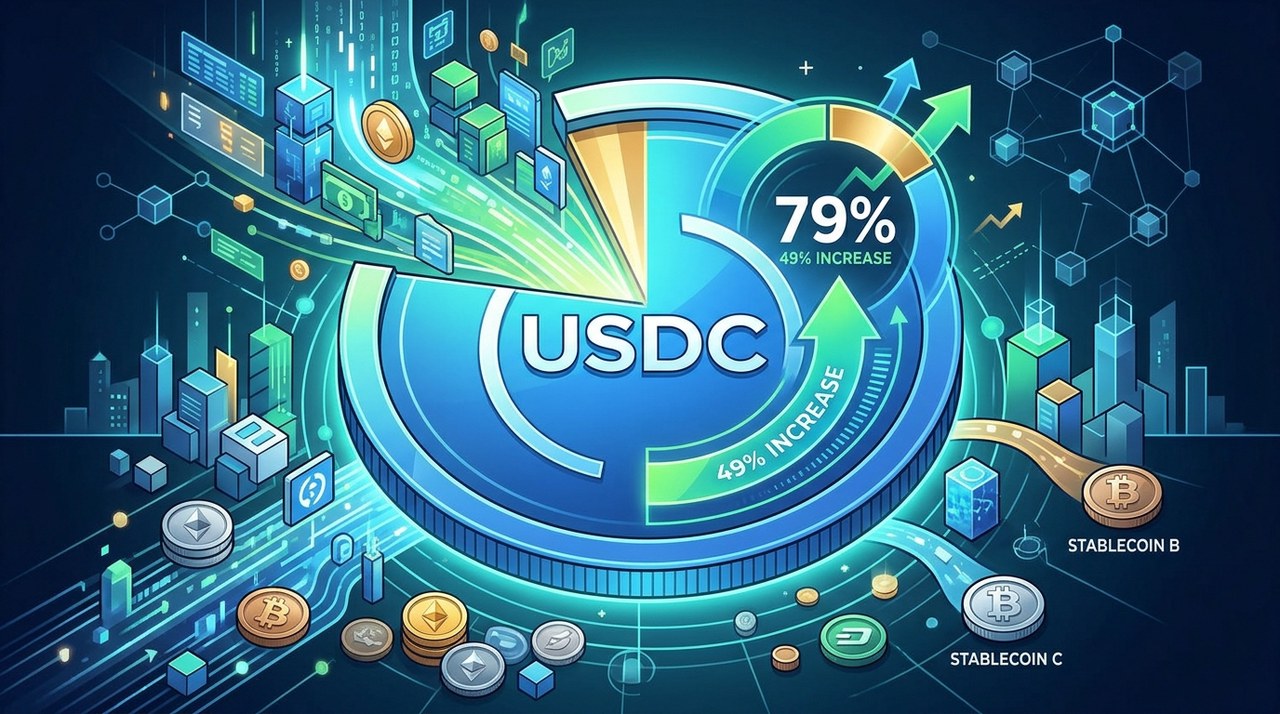


Circle's USDC Claims 79% Share of Stablecoin Volume
Circle reported that USDC accounted for 79% of all stablecoin transaction volume in Q3 2026, processing $13.9 trillion across global blockchains.
|

ICE Bets on Fast Retail Trades with Hyperliquid Deal
Intercontinental Exchange is moving to bring Hyperliquid perpetual futures onshore, catering to retail traders who crave fast-resolving market outcomes.
|