UK Banks Face Complaints Over Crypto Limits
What Is Happening with UK Banks and Crypto?
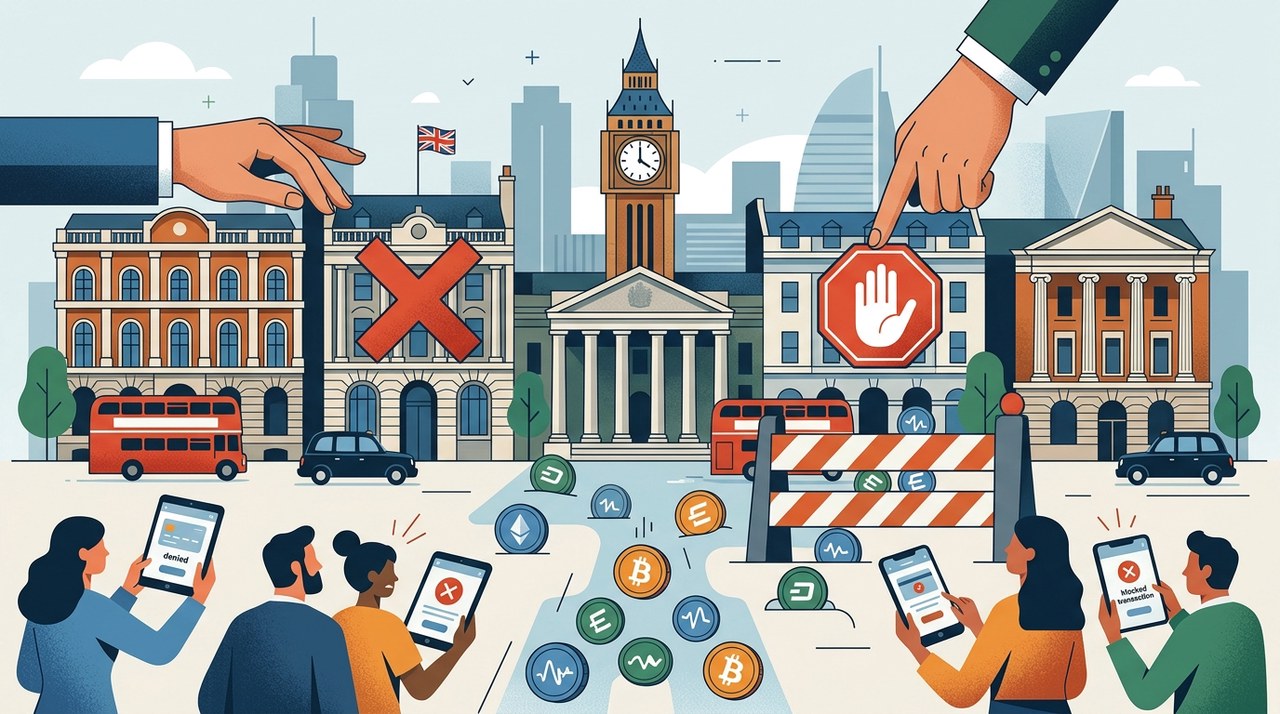
Imagine trying to transfer your own money to an exchange, only to have your bank stop the transaction. That is the frustrating reality for thousands of crypto users in the United Kingdom today.
Major UK financial institutions are facing heavy criticism over strict limits and bans on cryptocurrency transfers. The issue came to light following data highlighted by advocacy group Stand With Crypto.
This wave of customer frustration comes at a pivotal moment. The UK government is currently working toward establishing a comprehensive regulatory framework for digital assets by 2027.
Thousands of Complaints Flood Advocacy Group
Stand With Crypto, a global grassroots organization supporting digital asset adoption, reported receiving thousands of complaints from account holders across the country.
These complaints detail a widespread problem. Account holders find themselves unable to deposit or withdraw funds from regulated cryptocurrency exchanges, despite following proper verification procedures.
Everyday consumers are finding their financial freedom restricted by blanket policies, making it difficult to interact with digital assets even on fully compliant platforms.
The complaints reveal that restrictions are not limited to minor credit unions or niche lenders. Instead, they impact some of the biggest names on the British high street.
Major High Street Banks Named in the Report
Among the prominent UK institutions named in customer complaints are banking giants Lloyds and Barclays. Both banks serve millions of retail customers across the country.
These institutions, along with several other UK lenders, have introduced various restrictive measures over recent years. These policies include:
- Daily or monthly spending caps on purchases made at digital asset exchanges.
- Complete bans on credit card purchases intended for buying cryptocurrency.
- Total restrictions on outbound bank transfers to specific exchange platforms.
- Extended holding periods or additional security checks for transfers related to digital assets.
While banks argue these measures are designed to safeguard customer funds, users feel these rules go too far by restricting legitimate financial choices.
Why Are UK Banks Restricting Crypto Transfers?
To understand why banks like Lloyds and Barclays are taking a cautious stance, it helps to look at the pressure traditional financial institutions face from regulators.
1. Fighting Fraud and Scams
Bank fraud departments point to authorized push payment (APP) fraud as a top concern. Scammers often trick victims into sending money to crypto wallets, where transactions cannot easily be reversed.
Because traditional banks are often held financially responsible for reimbursing scam victims, many lenders choose to restrict transfers to crypto platforms altogether to minimize potential liability.
2. Meeting Regulatory Directives
The UK Financial Conduct Authority (FCA) has placed strong expectations on banks to protect retail customers from high-risk investments.
While the FCA has not issued an explicit mandate ordering banks to ban crypto transactions outright, its strict guidelines on risk management have led many banks to take risk-averse precautions.
The Road to 2027: The UK's Regulatory Roadmap
The conflict between banking access and crypto adoption comes at a crucial time for the United Kingdom. The nation is preparing to roll out a comprehensive regulatory regime for digital assets by 2027.
The upcoming 2027 regulatory regime aims to bring clear rules to the digital asset ecosystem. Lawmakers hope to establish the UK as a global hub for financial innovation while ensuring investor protection.
Key goals of the upcoming 2027 framework include:
- Establishing formal licensing requirements for crypto asset service providers operating within the UK.
- Creating clear standards for consumer protection, transparency, and operational resilience.
- Clarifying how traditional banks interact with digital asset businesses, helping reduce legal ambiguity.
Advocates hope that as formal regulation approaches in 2027, banks will gain greater legal clarity, allowing them to replace blanket bans with targeted safety controls.
How Transfer Limits Impact Everyday Consumers
For everyday consumers, strict transfer limits create significant roadblocks when attempting to access digital asset markets.
When banks set restrictive daily limits, retail investors may miss opportunities to execute timely transactions. In severe cases, full account freezes leave customers unable to move their own capital.
Digital assets can be volatile, and prices can shift rapidly based on market conditions. Restricting account movements limits user control over personal asset management.
What Lies Ahead for UK Banking and Crypto?
The complaints highlighted by Stand With Crypto highlight an urgent need for dialogue between commercial banks, digital asset companies, and regulatory authorities.
If the United Kingdom wishes to maintain its position as a global financial center, finding a balanced path between fraud prevention and consumer freedom will be essential ahead of the 2027 regulatory horizon.
Latest blog posts


Mark Moss Sees Strong Bitcoin Outlook Driven by ETFs
Bitcoin Opportunity Fund co-founder Mark Moss suggests that expanded access via banks and ETFs could set the stage for a new record high by 2027.
|
Poland Lower House Backs Crypto Sanctions Bill
Poland's lower house has approved a bill expanding national sanctions lists and authorizing crypto asset freezes, moving the proposal to the Senate.


Vitalik Buterin Recasts ETH as a Store of Value
Vitalik Buterin reframes Ethereum as a store of value alongside prediction market insights on ETH price thresholds.
|