Poland Lower House Backs Crypto Sanctions Bill
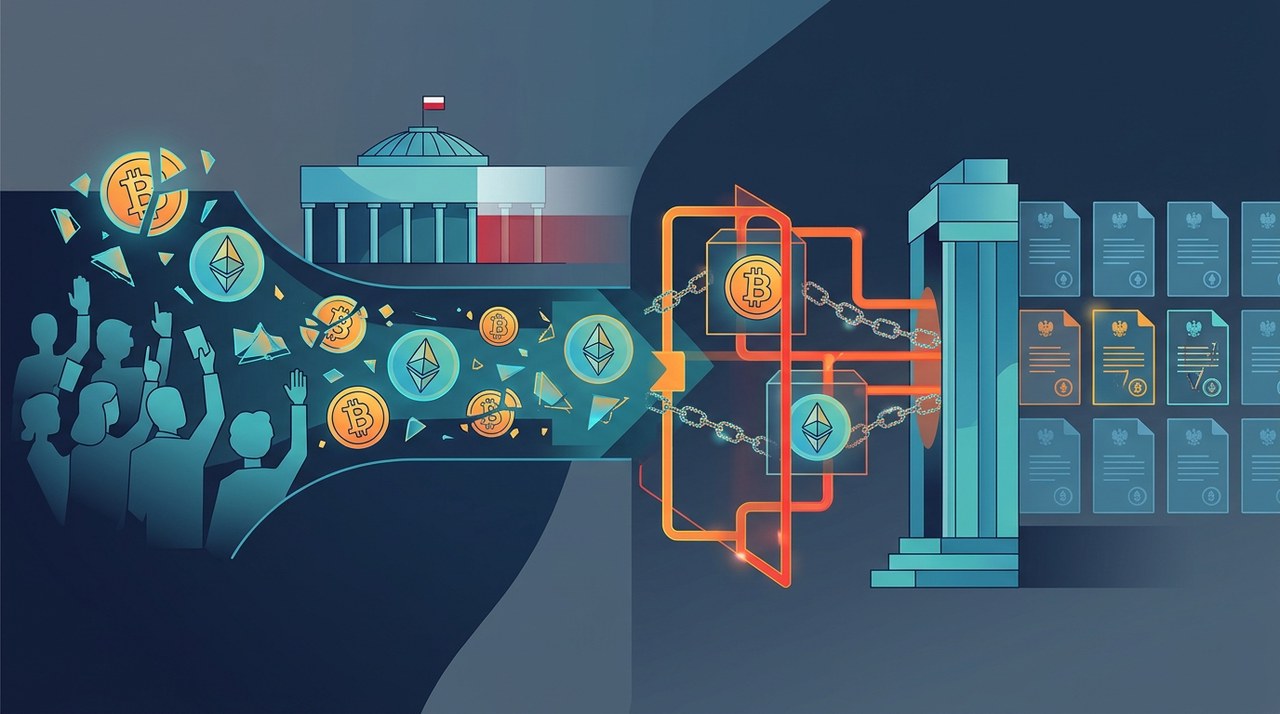
Poland Advances Bill Authorizing Sanctions and Crypto Freezes
Poland's lower house of parliament, known as the Sejm, has officially backed a new sanctions bill. The proposed law broadens the legal framework for targeting sanctioned entities, specifically extending asset-freezing capabilities to cryptocurrencies.
Following its approval in the lower chamber, the bill has now advanced to the Polish Senate for the next stage of legislative review.
What the New Legislation Covers
The updated sanctions framework expands the criteria under which individuals and companies can be added to Poland's official national sanctions list. Key elements of the proposed bill include:
- Broader Blacklisting Criteria: Lowering barriers to designate individuals and legal entities on national sanctions watchlists.
- Explicit Crypto Scope: Clarifying authority to order freezes on digital asset accounts and crypto holdings associated with sanctioned parties.
- Enhanced Oversight: Strengthening enforcement tools to prevent financial transfers that violate national security policies.
The Legislative Process: From the Lower House to the Senate
Passing law in Poland requires approval from both legislative chambers before final Presidential authorization. Having successfully cleared the lower house, the sanctions bill is currently before the Senate.
Senators will examine the proposed measures and may propose amendments, approve the text as written, or request adjustments. If amendments are introduced, the bill returns to the lower house for a final vote before reaching the President's desk.
How Crypto Asset Freezes Function in Practice
Public blockchain networks operate transparently, allowing transactions to be traced. When governments update national sanctions regulations, centralized crypto exchanges and custodial services within their jurisdiction are required to comply.
If a sanctioned person or corporate entity attempts to move funds through regulated platforms operating in the country, service providers must lock those accounts in compliance with legal sanctions orders.
Broader Regulatory Context Across Europe
Poland's action reflects a continuing trend across European nations to align digital asset regulation with established anti-money laundering and national security standards.
As virtual assets become integrated into global commerce, regulatory authorities seek to ensure that financial restrictions apply consistently across both traditional banking networks and digital asset systems.
What It Means for Exchanges and Everyday Users
Virtual asset service providers operating in Poland must stay updated on national compliance registries to ensure full alignment with law enforcement mandates.
For regular retail crypto users who participate in lawful trading and investment, national sanctions updates change little in daily operations. Regulated platforms automatically screen accounts against official blacklists while standard user activities proceed normally.
Next Steps to Watch
The progress of the bill in the Senate will determine the final timeline for implementation. Industry participants and legal observers continue to monitor legislative updates as the proposal moves closer to becoming enacted law.
Latest blog posts


Mark Moss Sees Strong Bitcoin Outlook Driven by ETFs
Bitcoin Opportunity Fund co-founder Mark Moss suggests that expanded access via banks and ETFs could set the stage for a new record high by 2027.
|

Vitalik Buterin Recasts ETH as a Store of Value
Vitalik Buterin reframes Ethereum as a store of value alongside prediction market insights on ETH price thresholds.
|


Shiba Inu Scammers Fake Founder Wallet to Push 137 Tokens
Community member Mazrael exposed a trick where scammers spoofed SHIB's deployer wallet to fabricate transfer logs for over 137 fake tokens.
|