

Twenty One Capital Reports $1.09B Q3 Income on Bitcoin Gains

A Huge Quarter Driven by Bitcoin Gains
Financial reports in the crypto industry can sometimes look pretty surprising at first glance.
Take Twenty One Capital as a prime example. The TetherUSDT+0.27%-backed investment entity recently released its third-quarter financial results for the year.
The company reported a massive $1.09 billion in net income for Q3. At the exact same time, it logged an operating loss of $4.8 million.
If those two numbers sound like they belong to completely different companies, do not worry. It actually makes total sense once you look under the hood at how corporate asset holdings work.
How Can a Company Lose Operating Money but Make $1.09 Billion?
To understand this financial statement, we need to separate day-to-day operational activity from overall balance sheet holdings.
Think of it like running a local coffee shop. Imagine your store spends more money on coffee beans, staff salaries, electricity, and rent than it collects from selling lattes. That leaves your store with an operating loss for the month.
Now imagine you also bought a rare painting years ago that hangs on the shop wall. During that exact same month, art collectors revalue your painting, making it worth $1 million more than before.
Your core business of selling coffee lost money. However, your overall net financial position jumped dramatically because of your valuable asset. That is essentially what happened to Twenty One Capital in Q3.
Breaking Down the Key Financial Numbers
- Operating Loss ($4.8 Million): This figure reflects routine business expenses exceeding direct operational revenues. It includes overhead costs, administrative expenses, professional fees, and structural upkeep.
- Net Income ($1.09 Billion): This bottom-line figure accounts for overall gains, heavily boosted by the market valuation appreciation of their Bitcoin (BTCBTC-3.34%) treasury holdings.
The Role of Tether and Strategic Crypto Reserves
Twenty One Capital operates with financial backing from Tether, the issuer of USDT, the world's largest stablecoin by market capitalization.
Tether has built a dominant presence across the digital asset ecosystem. Beyond maintaining reserves for USDT, Tether regularly allocates excess operational capital toward long-term strategic investments.
A key pillar of Tether's broader strategy involves accumulating Bitcoin and supporting specialized investment entities like Twenty One Capital.
When the price of Bitcoin moves upward during a quarter, companies holding substantial BTC positions will see immediate benefits reflected in their net income statements.
Understanding Corporate Bitcoin Accounting
Corporate crypto holdings follow specific financial reporting standards. When an institution holds digital assets on its balance sheet, market fluctuations must be recorded in financial disclosures.
Depending on accounting rules, firms measure these holdings using fair-value metrics or mark-to-market valuations.
Because Bitcoin experienced notable price gains during the third quarter, Twenty One Capital logged significant asset gains. These gains far surpassed the $4.8 million spent on running business operations.
Past performance of digital assets is not a guarantee of future results. You can track real-time price movements on Bitkub Market.
Looking Ahead: Evaluating Scenarios and Market Risks
When analyzing any business model dependent on treasury asset appreciation, it is critical to weigh potential outcomes realistically.
Because net income here relies heavily on market valuations rather than self-sustaining operational profits, financial performance will naturally fluctuate alongside market cycles.
Potential Favorable Market Conditions
If institutional adoption of digital assets continues and market demand remains supportive, held assets could retain elevated valuations. Provided operational expenses stay managed, net income could remain strong during market expansions.
Potential Downside Market Risks
On the other hand, digital assets are subject to short-term volatility. Should market conditions soften or experience downward price trends, treasury valuations will decrease. In that scenario, Twenty One Capital could post net losses in future quarters, especially if operating expenses remain steady.
Why This Matters for the Broader Crypto Market
The Q3 report from Twenty One Capital highlights how institutional balance sheets operate in today's financial environment.
More firms are integrating crypto assets into their strategic reserves. This structural shift creates dynamic earnings profiles where balance sheet value can overshadow standard operational metrics.
While an operating loss indicates that day-to-day administrative efficiency remains an area to watch, strong performance from strategic asset holdings yielded a headline net income of $1.09 billion for the quarter.
Latest blog posts
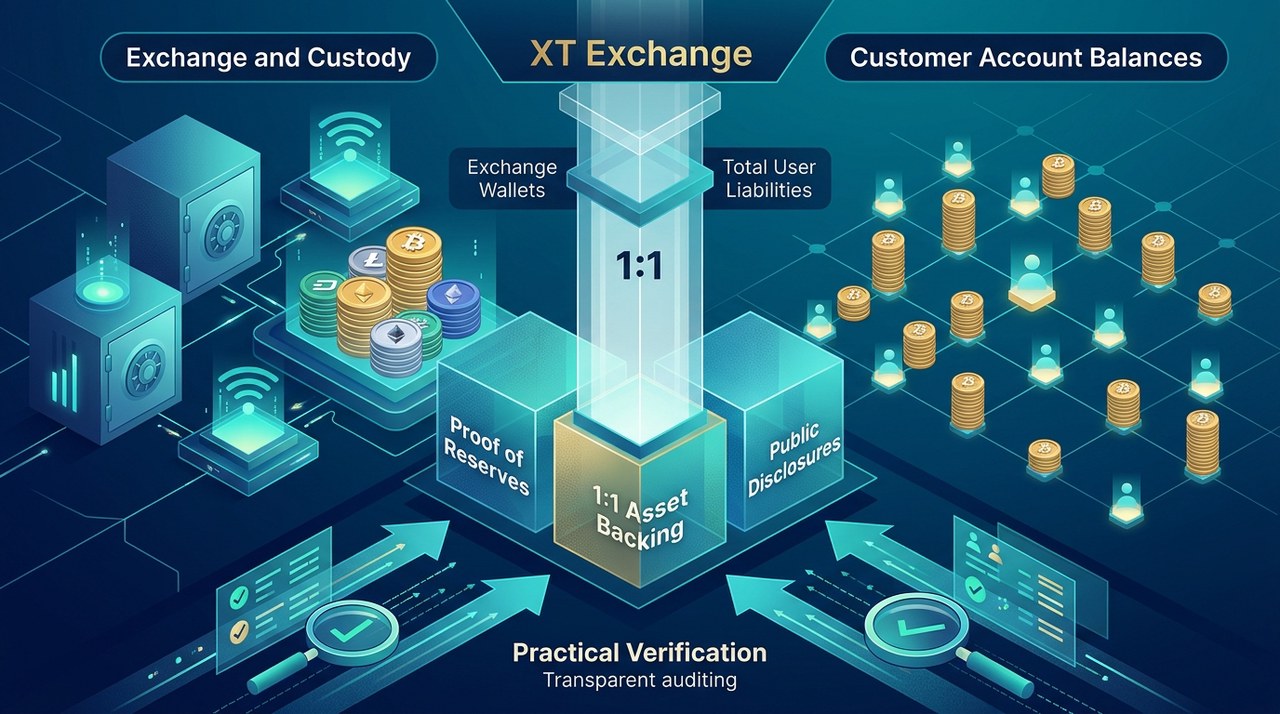
XT Exchange and the Foundations of Trust in Digital Finance
XT Exchange uses public Proof of Reserves disclosures and Merkle-tree verification to show how customer balances match stored assets.

SafePal Hardware Wallet Users Target Fake Mail Alerts
SafePal users in Italy are receiving fake security letters in the mail that use compromised customer data to run phishing scams.


 +1
Ethereum and Layer 1 Blockchains Explained Simply
Discover how Ethereum introduced programmable smart contracts, how the EVM works, and why alternative Layer 1 blockchains make specific trade-offs.
|