

Tron, Tether, and Chainalysis Form New Crypto-Crime Unit
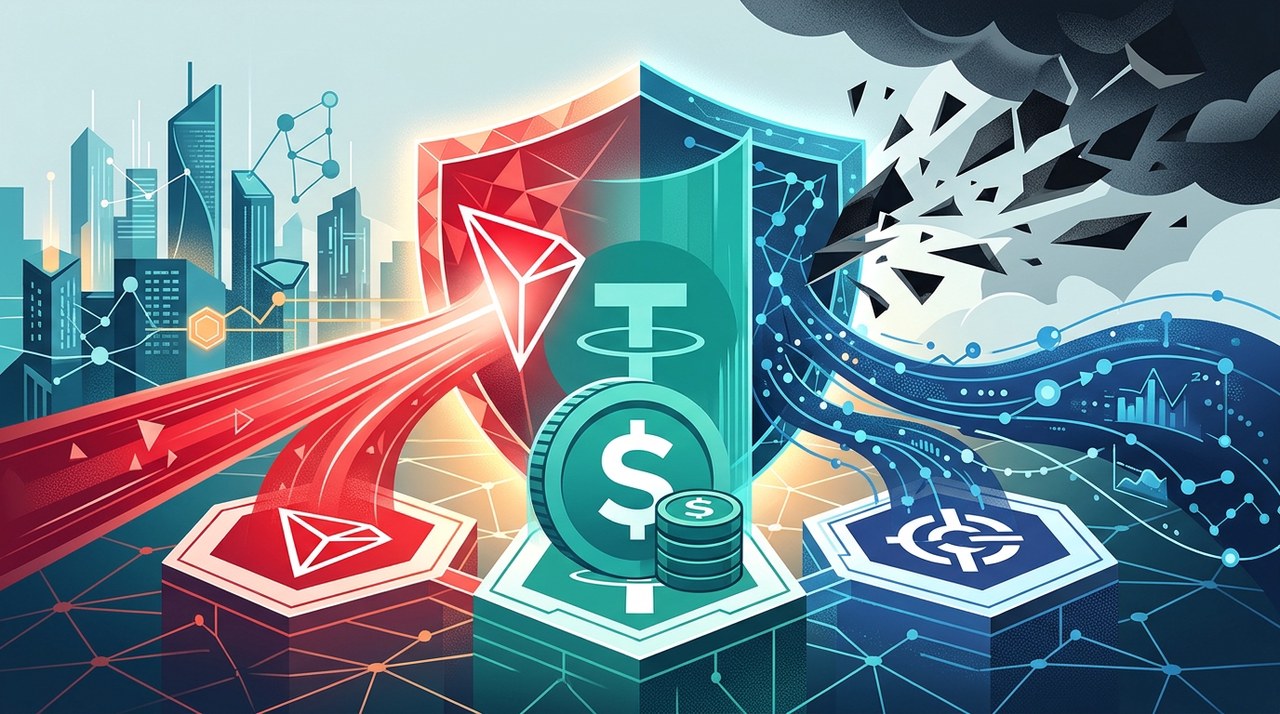
Fighting Crypto Crime: TronTRX-2.84%, TetherUSDT-0.44%, and Chainalysis Join Forces
Three major names in the blockchain industry—Tron, Tether, and Chainalysis—have officially partnered to create a brand-new task force aimed at tackling crypto-related crime. This initiative comes shortly after a previous security collaboration collapsed.
The new alliance combines the unique capabilities of a popular blockchain network, the world's largest stablecoin issuer, and a leading blockchain analytics firm. Together, they aim to build a stronger and more coordinated defense against bad actors using digital assets for illegal activities.
If you use digital assets or follow crypto news, you might wonder why this matters. Let's break down what this partnership means, why it happened, and how it impacts everyday users.
Why Did This Task Force Form?
Over the past few years, stablecoins have become the backbone of the crypto economy. Tether (USDT) is the most widely used stablecoin globally, allowing people to transfer US dollar value online quickly and efficiently.
Because the Tron network (TRX) offers low transaction fees and high processing speeds, a significant share of global USDT transactions takes place on Tron. While low fees benefit everyday users, they also attract illicit actors seeking to move funds cheaply.
To prevent illicit operations such as money laundering, fraud, and terrorism financing, these key industry players realized they needed to take active steps to monitor and secure the network ecosystem.
Meet the Key Players in the Initiative
To understand how this task force operates, it helps to look at what each partner brings to the table:
- Tether (USDT): As the issuer of USDT, Tether has the technical authority to blacklist and freeze funds in malicious wallet addresses when presented with law enforcement requests or strong forensic evidence.
- Tron Network (TRX): The host blockchain where billions of dollars in daily USDT transfers occur. Tron provides infrastructure data and network support.
- Chainalysis: A leading blockchain analytics company acting as the investigator. Chainalysis uses sophisticated software to trace transaction flows and identify suspicious wallet clusters.
What Happened to the Previous Collaboration?
The establishment of this joint unit replaces a previous effort that collapsed due to operational and organizational challenges. Building a joint task force in the fast-moving crypto space requires close coordination.
Earlier attempts often faced difficulties regarding data sharing, legal compliance boundaries across countries, and alignment between private firms and law enforcement agencies.
By launching this updated task force, the participating organizations are seeking to correct past mistakes and establish a clearer, faster operational pipeline for tackling illicit activities.
How Will the Task Force Tackle Crypto Crime?
Here is a step-by-step breakdown of how the task force monitors and responds to suspicious activity:
- Continuous Network Monitoring: Chainalysis software scans transaction patterns on the Tron blockchain to spot anomalies and flag links to known criminal addresses.
- Information Sharing: When high-risk activity is flagged, intelligence is shared among Chainalysis, Tether, and relevant law enforcement bodies.
- Freezing Illicit Tokens: If a wallet is verified to hold funds tied to illegal operations, Tether can freeze those specific USDT tokens to prevent withdrawal.
- Law Enforcement Collaboration: The unit assists global police and regulatory agencies by providing actionable forensic reports for legal proceedings.
Is Blockchain Actually a Haven for Criminals?
A common misconception is that public blockchains are completely anonymous. In reality, public blockchains operate like open digital ledgers where every single transaction is permanently recorded.
While wallet addresses use letters and numbers instead of real names, specialized tools can trace the movement of funds from one account to another. Once a wallet connects to an exchange or service requiring identity verification, the identity behind the transactions can be uncovered.
Because of blockchain analytics tools, tracking illegal funds on a public ledger can often be more straightforward than tracing physical cash.
What Does This Mean for Everyday Crypto Users?
For regular users who send or trade TRX and USDT, increased security measures generally contribute to a safer ecosystem.
Proactive self-regulation by industry leaders helps build trust and creates a safer environment for users worldwide.
Here are a few key points for general market participants to remember:
- Lawful Users Are Unaffected: Standard transactions from legitimate users operate as normal, as enforcement focuses strictly on targeted criminal addresses.
- Cleaner Ecosystem: Reducing fraudulent activity lowers overall platform risk and protects users from malicious schemes.
- Enhanced Institutional Trust: Clear compliance mechanisms make mainstream financial institutions more comfortable interacting with stablecoins.
Market Risk and Compliance Awareness
While security task forces focus on preventing fraud and illegal transfers, investors should remain aware of general market conditions. Tokens like TRX and stablecoins like USDT operate within a dynamic market subject to regulatory updates and economic factors.
Security initiatives protect network integrity, but they do not eliminate market volatility or investment risks. Traders and investors should evaluate their own risk tolerance carefully.
Past performance of digital assets is not an indication of future performance. You can monitor current market trends and trading pairs directly on the Bitkub TRX Market.
Final Thoughts
The creation of this new crypto-crime task force by Tron, Tether, and Chainalysis marks an important step toward proactive security in the blockchain space. By replacing a former collapsed initiative with a refined operational model, these companies demonstrate a commitment to network safety.
As digital asset adoption grows, cooperation between infrastructure providers, analytics experts, and law enforcement will remain vital for fostering a secure Web3 environment.
Latest blog posts


 +1
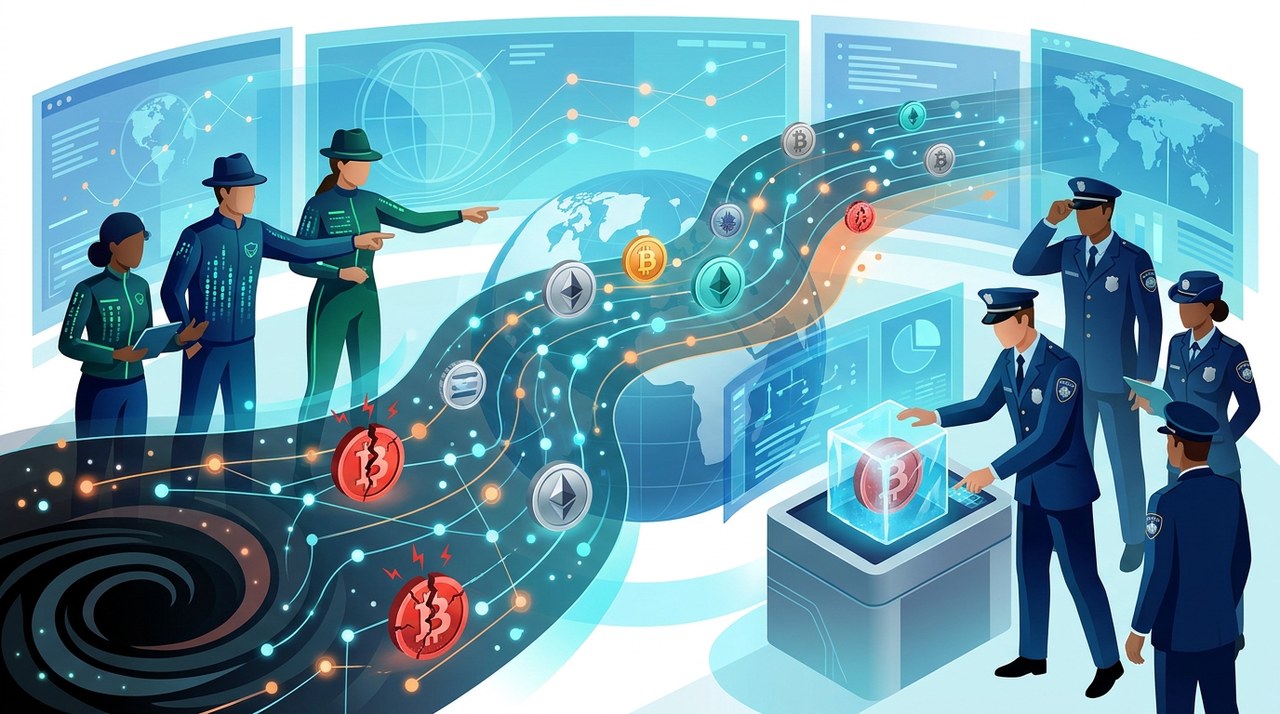
CertiK Trains Interpol to Trace and Freeze Stolen Crypto
CertiK has trained Interpol investigators to help track on-chain transactions and freeze stolen digital assets worldwide.
|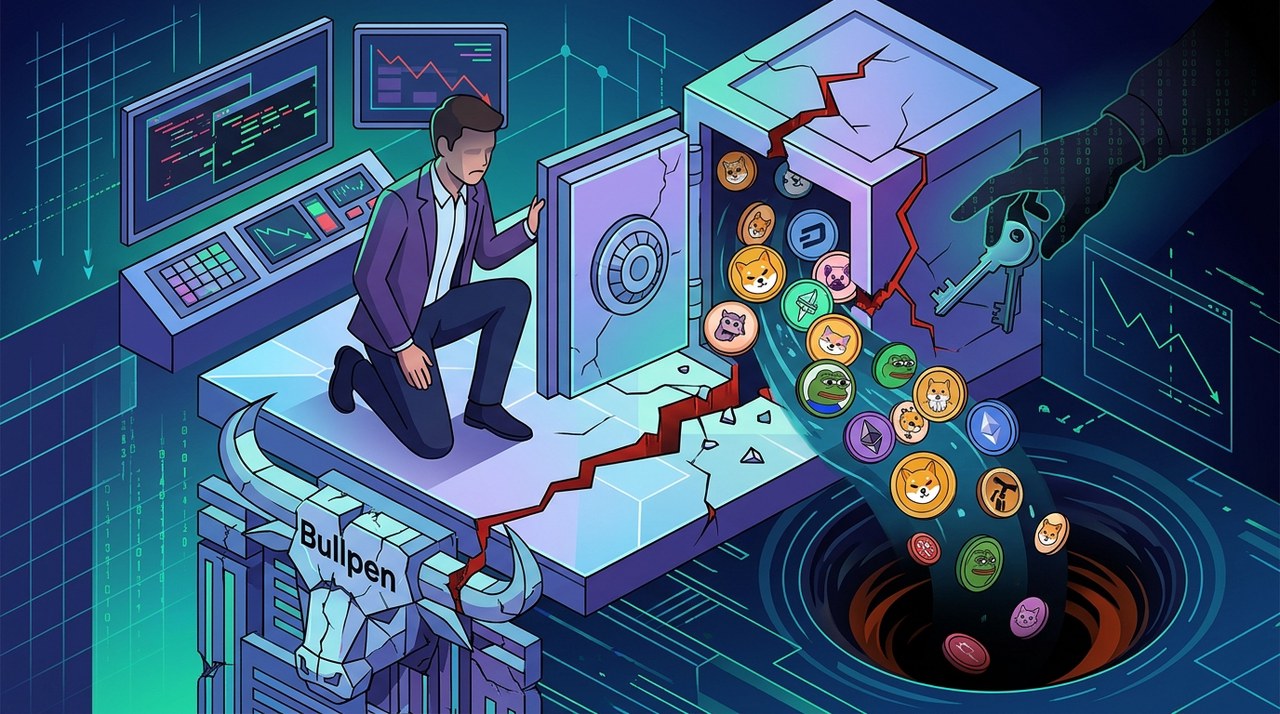
Crypto Trader Ansem Reports $2M Wallet Compromise
Well-known crypto trader Ansem reported that his wallet was compromised, leading to the unauthorized sale of $2 million in memecoins via the Bullpen trading terminal.
 +1
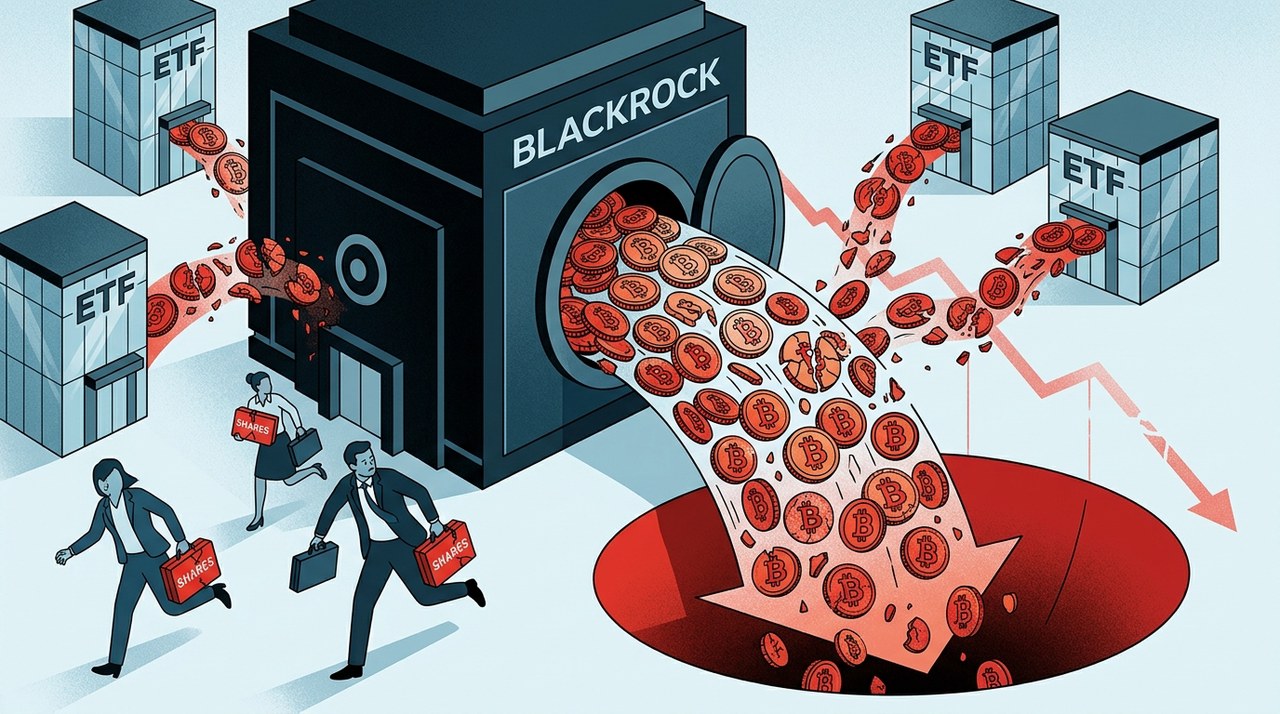
Bitcoin ETFs Lose $570M as BlackRock Outflows Reach $1.6B
U.S. spot Bitcoin ETFs registered $569.74 million in daily net outflows as BlackRock's IBIT fund led a three-day withdrawal streak of nearly $1.6 billion.
|