


CertiK Trains Interpol to Trace and Freeze Stolen Crypto
A Major Step Forward in Global Crypto Security
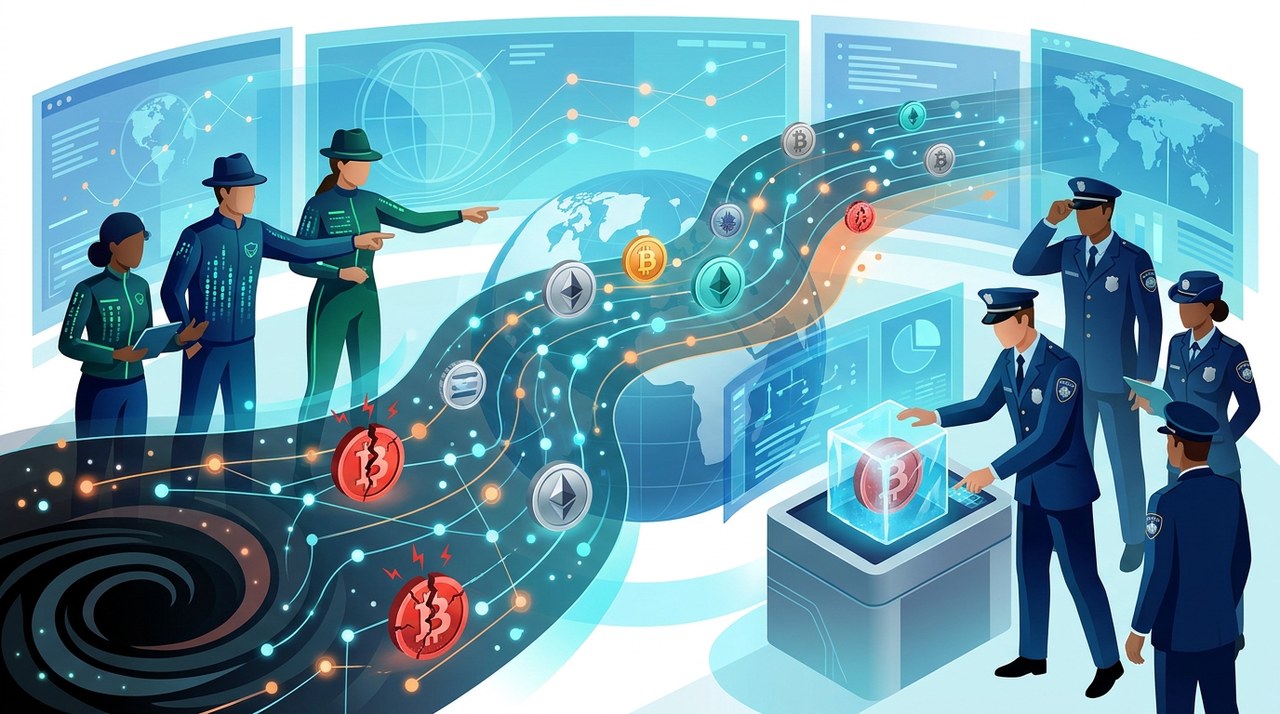
Blockchain security firm CertiK has delivered specialized training to Interpol investigators. The goal of this program is to help international law enforcement officers trace stolen cryptocurrencies and request asset freezes more effectively.
Cybercrime moves quickly across national borders. Because of this, traditional police techniques often need an upgrade when dealing with decentralized networks. This collaboration aims to close the knowledge gap between blockchain technology and global law enforcement.
Understanding the Key Players: CertiK and Interpol
To understand why this training is significant, it helps to look at the two organizations involved in the initiative.
CertiK is a leading cybersecurity company that specializes in auditing smart contracts and analyzing blockchain data. Think of them as digital detectives who analyze code and monitor on-chain activities to spot vulnerabilities and track suspicious transfers.
Interpol, on the other hand, is the world's largest international police organization. It enables police forces from 196 member countries to work together to combat transnational crime.
How Law Enforcement Traces Stolen Cryptocurrency
Many people assume that cryptocurrency transactions are completely anonymous. In reality, most major blockchains like BitcoinBTC-5.65% and EthereumETH-7.07% operate on transparent public ledgers.
Every transaction is recorded permanently on the blockchain. While wallet addresses use random strings of characters instead of names, investigators can follow the trail of funds using specialized software.
- Following the Money Trail: Investigators trace how funds move from one wallet address to another across public ledgers.
- Wallet Clustering: Advanced analytics tools group related wallets together to identify the entities operating behind the transactions.
- Identifying Off-Ramps: Bad actors eventually try to convert crypto into fiat currency through centralized exchanges. These platforms enforce Know Your Customer (KYC) rules, providing a vital point of identification.
The Mechanics of Freezing Illicit Digital Assets
Tracing stolen crypto is only the first step. Once officers locate illicit funds, the next goal is to freeze them before they can be withdrawn or laundered.
Freezing assets on the blockchain works differently depending on the type of token and wallet used by the suspect.
Centralized stablecoin issuers, such as TetherUSDT-0.50% or Circle (USDCUSDC-0.53%), have built-in smart contract functions. These mechanisms allow them to blacklist specific wallet addresses when requested by law enforcement. Once blacklisted, those tokens can no longer be transferred.
Centralized exchanges can also freeze user accounts immediately if they detect deposits originating from known hack or exploit addresses.
However, freezing funds on decentralized protocols or self-hosted wallets remains difficult or impossible without access to the private keys. This is why rapid tracing is critical before stolen funds are moved through decentralized mixers or non-compliant platforms.
Why International Cooperation Matters for Web3
Cryptocurrency operates 24/7 without geographic borders. A hacker in one country can exploit a protocol located in another, and move funds to an exchange in a third jurisdiction within seconds.
Traditional legal requests can take months to process across international borders. By training Interpol officers directly, CertiK helps standardize digital forensic techniques across multiple countries.
This shared knowledge allows law enforcement teams to act much faster. Speed is essential when trying to intercept stolen assets before they are laundered through privacy tools.
What This Development Means for Everyday Users
For everyday crypto users, improved law enforcement capabilities represent a positive development for overall ecosystem safety. As illicit activities become harder to hide, bad actors face higher risks when attempting hacks or scams.
At the same time, users should remember that personal security remains the primary line of defense. Law enforcement tracing and freezing methods cannot guarantee the total recovery of lost or stolen assets.
The crypto market remains fast-moving and carries inherent technical and financial risks. Users should always practice strict security measures, such as using hardware wallets, double-checking website links, and keeping private keys secure.
If you want to monitor market trends or check asset metrics, you can visit Bitkub Market. Always keep in mind that past performance of digital assets is not a guarantee of future results.
Latest blog posts
Crypto Trader Ansem Reports $2M Wallet Compromise
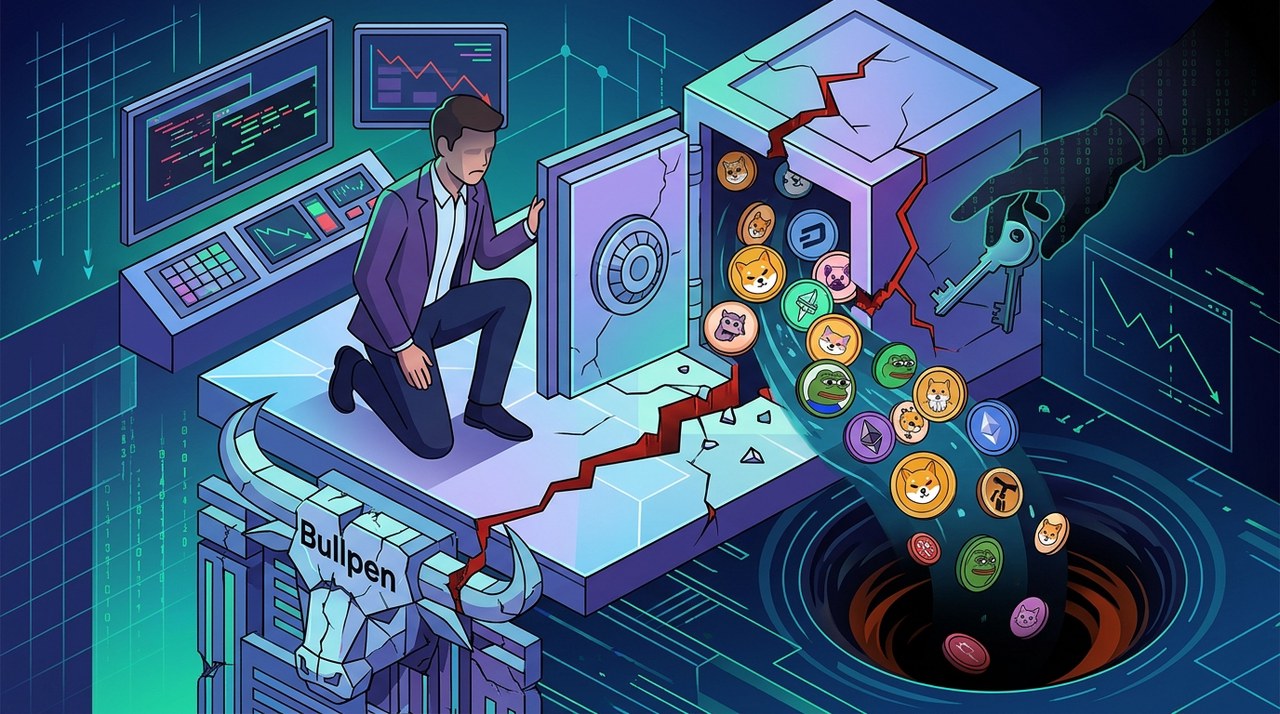
Well-known crypto trader Ansem reported that his wallet was compromised, leading to the unauthorized sale of $2 million in memecoins via the Bullpen trading terminal.

 +1
Bitcoin ETFs Lose $570M as BlackRock Outflows Reach $1.6B
U.S. spot Bitcoin ETFs registered $569.74 million in daily net outflows as BlackRock's IBIT fund led a three-day withdrawal streak of nearly $1.6 billion.
|
Jensen Returns to Nvidia as Crypto Majors Close Lower
Nvidia shares surged on news of Jensen's return, but crypto majors reversed gains with Bitcoin dropping to $60,400 alongside $570 million in ETF outflows.
|