

Standard Life Chair Advocates for Tokenized UK Gilts

Bringing Government Bonds to the Blockchain
The chairman of Standard Life has called for the tokenization of UK Gilts to make government debt assets accessible to everyday retail savers. This proposal aims to leverage modern blockchain technology to lower traditional barriers in sovereign bond markets.
Gilts are bonds issued by the British government to fund public spending. Traditionally, purchasing these instruments required navigating complex financial intermediaries, satisfying high minimum purchase thresholds, and dealing with multi-day settlement windows.
By representing these traditional debt instruments as digital tokens on a distributed ledger, financial institutions can streamline settlement processes and expand market participation.
How Tokenized Gilts Work for Everyday Savers
Tokenization works by creating a digital representation of a real-world asset on a blockchain ledger. This process allows high-value assets to be broken down into smaller digital units.
Key advantages that tokenized sovereign bonds offer to individual savers include:
- Lower Entry Barriers: Retail savers can buy fractional shares of a bond rather than needing large sums of capital upfront.
- Faster Settlement: Blockchain transactions settle near instantly, reducing reliance on legacy clearinghouses.
- Reduced Costs: Automated smart contracts can lower administrative fees associated with issuing and managing debt.
- Improved Accessibility: Investors can potentially manage sovereign bond holdings 24/7 alongside other digital assets.
The Broader Real-World Asset (RWA) Ecosystem
The interest in tokenized Gilts is part of a larger global movement known as Real-World Asset (RWA) tokenization. Leading global asset managers and financial institutions are migrating traditional instruments—such as Treasury bills, corporate paper, and real estate—onto public and private blockchains.
High-speed networks like SolanaSOL+2.73% and EthereumETH+3.54% are increasingly utilized to host tokenized treasury products due to their robust smart contract infrastructure and global liquidity pools.
Understanding Market Factors and Risk Dynamics
While tokenizing Gilts can modernize retail savings, investors must consider the market dynamics associated with fixed-income instruments and digital asset platforms.
Government bonds are backed by sovereign issuers, but their secondary market values fluctuate based on prevailing interest rate trends:
- Rising Rate Scenario: When central banks increase interest rates, existing bond prices generally fall, which may result in capital losses if sold before maturity.
- Falling Rate Scenario: When interest rates decline, existing fixed-rate bond prices tend to appreciate in value.
In addition to interest rate sensitivity, tokenized assets involve technical and custody considerations, including smart contract auditing, network uptime, and regulatory compliance oversight.
Investors should keep in mind that past performance of digital assets or financial instruments is not a guarantee of future returns.
Looking Ahead: Regulatory Path for UK Digital Securities
For tokenized Gilts to achieve widespread adoption among UK retail investors, regulators such as the Financial Conduct Authority (FCA) and HM Treasury must continue developing clear regulatory sandboxes and operational frameworks.
As institutional support grows, the integration of sovereign bond issuance with modern blockchain rails represents a key milestone in the convergence of traditional finance and digital asset markets.
Latest blog posts
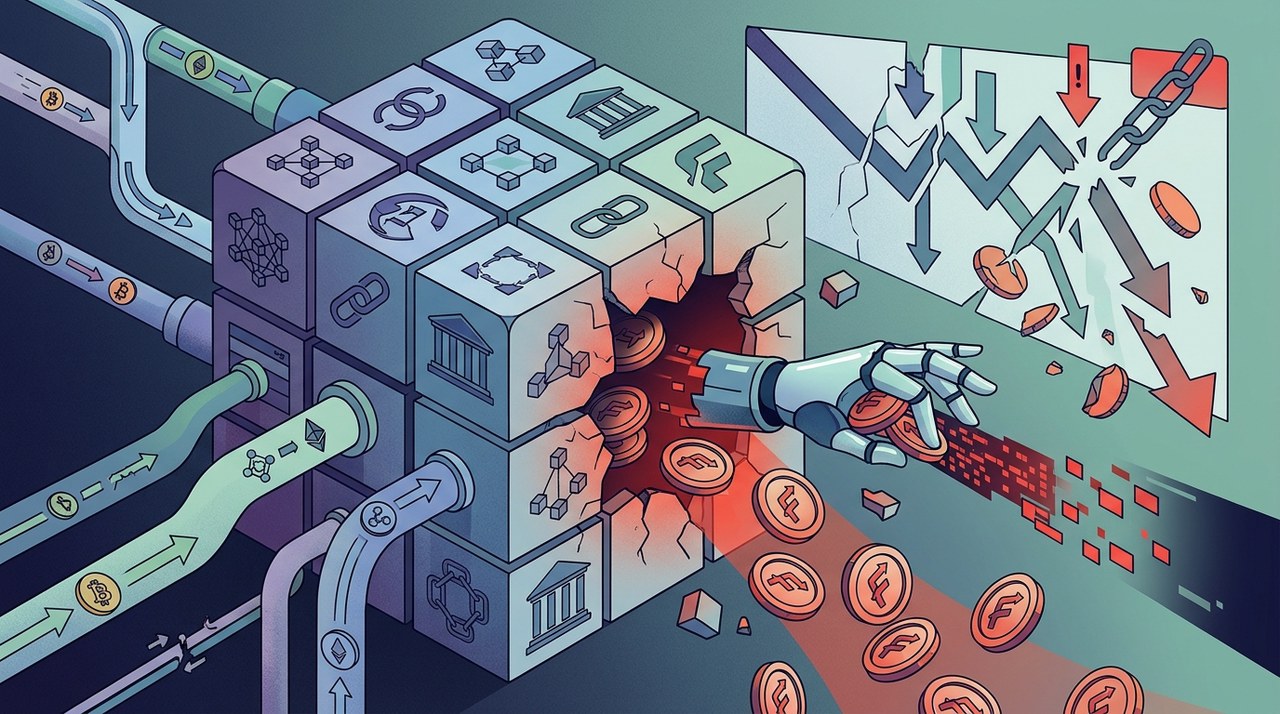
Chainflip Token FLIP Drops 34% After $4.86M Vault Exploit
Chainflip's native FLIP token dropped 34% following an automated security incident that drained $4.86 million from its vault system.


Bitcoin Price Rebounds to $60K After Brief Drop to $55K
Bitcoin experienced a sharp drop near $55,000 before recovering above $60,000, triggering $2.67 billion in leverage liquidations amid market-wide tech stock sell-offs.
|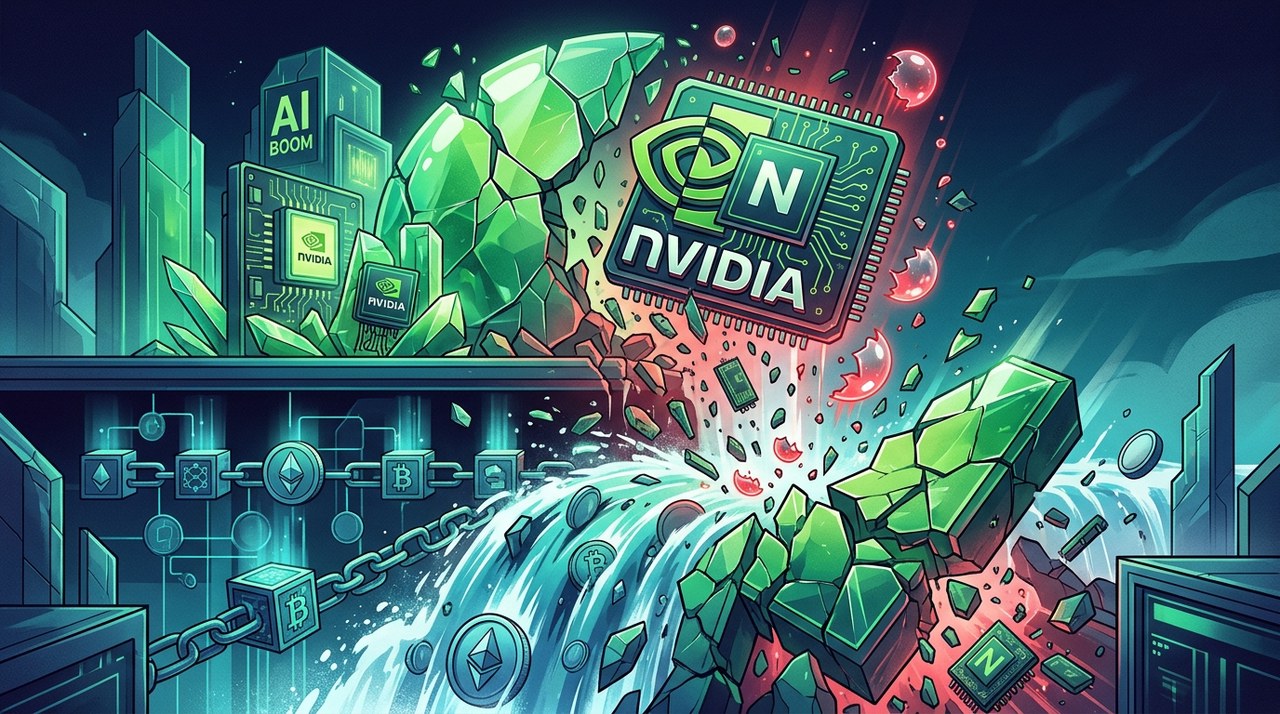
Is the AI Bubble Popping? Nvidia Drop Shakes Crypto
Nvidia experienced a major pullback from its highs, raising questions about an AI bubble. Here is how Wall Street, prediction markets, and Bitcoin are reacting.
|