Chainflip Token FLIP Drops 34% After $4.86M Vault Exploit

Chainflip Suffers Security Exploit Draining $4.86 Million
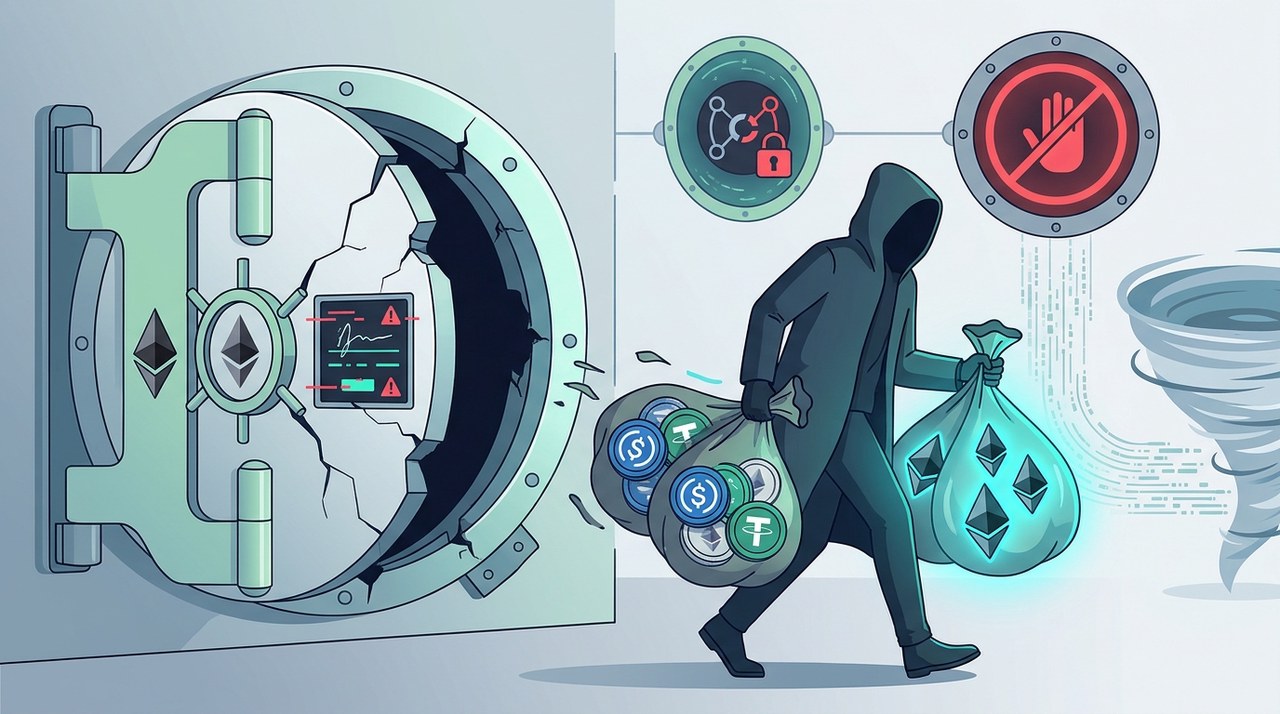
Decentralized cross-chain protocol Chainflip experienced a severe security breach that resulted in a loss of approximately $4.86 million from its vault system.
The breach appears to have been carried out through an automated attack vector, stemming from a suspected private key compromise. The incident directly impacted the protocol's ecosystem and investor sentiment.
Following the news, Chainflip's native utility token, FLIP, saw an immediate price decline. Data from price tracking outlet The Block showed that FLIP dropped by 34% shortly after the incident became public knowledge.
Understanding Chainflip and How the Protocol Works
To understand the impact of this event, it helps to understand what Chainflip actually does. Chainflip is designed to allow users to swap native cryptocurrencies across different blockchain networks.
Unlike traditional wrapped token solutions, Chainflip relies on specialized decentralized vaults to hold assets while swaps are processed. Think of these vaults like automated escrow accounts that temporarily hold funds to ensure both sides of a trade complete safely.
Because these vaults secure substantial amounts of liquidity, they often become attractive targets for attackers seeking vulnerabilities in protocol code or access control management.
How the Exploit Unfolded
Initial reports indicate that the attacker leveraged automated scripts to execute transactions rapidly once access was obtained. Automated exploits allow hackers to drain funds within seconds before developers or automated safety systems can intervene.
The primary cause behind the vault drain is suspected to be a private key compromise. In Web3, private keys serve as the ultimate administrative authorization tool.
If an unauthorized party gains access to a key managing protocol vaults, they essentially gain master key access to move funds out of the system.
FLIP Token Market Response and Volatility
The market reacted swiftly to news of the $4.86 million vault breach. FLIP's rapid 34% drop reflects the elevated sensitivity of crypto assets during security incidents.
When protocols suffer exploits, market participants often sell tokens due to concerns over protocol solvency, smart contract integrity, or potential execution halts.
It is important to remember that token prices can fluctuate dramatically during unforeseen incidents, and high volatility is a persistent characteristic of the crypto market. Past performance of digital assets is not an indication of future results. For updated market pairs and historical prices, you can monitor assets on platform overview pages like bitkub.com/th/market.
The Risks of Private Key Compromises in DeFi
Smart contract audits are essential, but key security remains one of the biggest challenges facing decentralized finance (DeFi). Here are the primary reasons why key compromises present major risks:
- Single Point of Failure: If administrative or multi-sig keys are mishandled, complex smart contract defenses can be completely bypassed.
- Automated Execution: Attackers use bots to drain assets instantly, making manual emergency interventions difficult.
- Irreversible Transactions: Blockchain transactions cannot be undone once confirmed on-chain, limiting recovery options unless funds are frozen by centralized issuers.
Standard Protocol Response Steps After an Exploit
When a security event occurs, decentralized protocols typically initiate a structured response plan to contain the damage and restore functionality:
- Pausing Protocol Functions: Pausing deposit, withdrawal, or swapping mechanisms to prevent further unauthorized access.
- On-Chain Investigation: Working alongside blockchain forensics firms to trace stolen assets and tag hacker addresses.
- Post-Mortem Analysis: Conducting a thorough audit to identify the precise vulnerability and publishing a transparent report for the community.
- Remediation and Upgrades: Rebuilding key management infrastructure, updating smart contracts, and implementing security enhancements before reopening services.
Key Lessons for Crypto Market Participants
Incidents like the Chainflip vault drain highlight the ongoing operational and technical risks present across decentralized finance applications.
While cross-chain interoperability protocols offer valuable flexibility for traders, users must remain mindful that smart contract interactions involve inherent risks.
Diversifying asset exposure, assessing protocol security practices, and staying informed about post-incident developments are crucial practices for navigating the digital asset space.
Latest blog posts



Bitcoin Price Rebounds to $60K After Brief Drop to $55K
Bitcoin experienced a sharp drop near $55,000 before recovering above $60,000, triggering $2.67 billion in leverage liquidations amid market-wide tech stock sell-offs.
|
Is the AI Bubble Popping? Nvidia Drop Shakes Crypto
Nvidia experienced a major pullback from its highs, raising questions about an AI bubble. Here is how Wall Street, prediction markets, and Bitcoin are reacting.
|
 +1
Chainflip Hit by $4.86M Exploit as Ethereum Vault Drained
Cross-chain protocol Chainflip paused all operations after an attacker exploited its Ethereum vault signature key system to extract $4.86 million.
|