

Stablecoin Supply Drops $14.2B in Biggest Fall Since 2022

Major $14.2 Billion Drop in Stablecoin Supply
Crypto markets are facing a notable shift in available liquidity. Over a 30-day period, the total market capitalization of major stablecoins plunged by $14.2 billion. This represents the largest monthly reduction in stablecoin supply since June 2022.
Analysts and market researchers frequently point out that this contraction leaves digital asset markets with "less fuel" to sustain upward price movements. When stablecoins exit the ecosystem, available buying power shrinks accordingly.
Understanding Stablecoins and Market Liquidity
To understand why a $14.2 billion drop matters, it helps to look at what stablecoins do inside the crypto ecosystem. Stablecoins are digital assets tied to stable fiat currencies, most commonly the US dollar.
Think of stablecoins as "dry powder" or ready cash stored directly on blockchain networks and exchanges. When traders want to buy assets like BitcoinBTC-0.38% or EthereumETH+0.51% quickly, they typically hold their reserves in stablecoins.
When total stablecoin supply grows, it shows that capital is flowing into the ecosystem. Conversely, when supply drops, it indicates that investors are redeeming their stablecoins for traditional fiat money or moving capital off-chain.
Comparing Current Outflows to June 2022
The scale of this $14.2 billion decline is particularly historic because the market has not seen a 30-day drop of this magnitude since June 2022. That previous period was marked by significant structural changes across the broader digital asset landscape.
Seeing a similar scale of supply reduction today highlights a distinct period of capital withdrawal and risk-off sentiment among institutional and retail participants.
"Crypto markets were left with 'less fuel' to rally after the market cap of major stablecoins saw its biggest 30-day drop in over four years."
Why Less Fuel Impacts Market Dynamics
Asset prices in any market depend on supply and demand dynamics. For crypto prices to sustain upward momentum over time, there needs to be consistent buying interest backed by available liquidity.
When $14.2 billion in stablecoins exits the market, the overall pool of immediate purchasing power contracts. This reduced liquidity can make price rallies harder to sustain, as fewer funds sit waiting to purchase assets during market pullbacks.
Looking forward, market conditions could change depending on broader financial conditions. If institutional inflows resume and market sentiment turns positive, stablecoin minting could rebound, re-injecting liquidity into crypto trading pairs.
On the other hand, if capital continues to exit the crypto ecosystem, trading volume may remain lower and price volatility could increase in response to smaller order books.
Key Insights for Crypto Market Observers
- $14.2 Billion Contraction: The total market cap of major stablecoins experienced its sharpest 30-day drop since June 2022.
- Reduced Rally Fuel: Lower stablecoin balances leave exchanges with less immediate cash ready to support price rallies.
- Liquidity Monitoring: Tracking stablecoin issuance and redemptions provides clear visibility into capital entering or leaving the market.
Market conditions remain dynamic, and investor sentiment can shift rapidly. Past performance of digital assets or past market conditions do not guarantee future results. You can review current market metrics at bitkub.com/th/market/BTC.
Latest blog posts


Twenty One Capital Buys $10M Bitcoin Dip Amid Stock Slump
Twenty One Capital bought 154.32 Bitcoin for $10 million during a price dip, increasing its treasury even as its stock price faces downward pressure.
|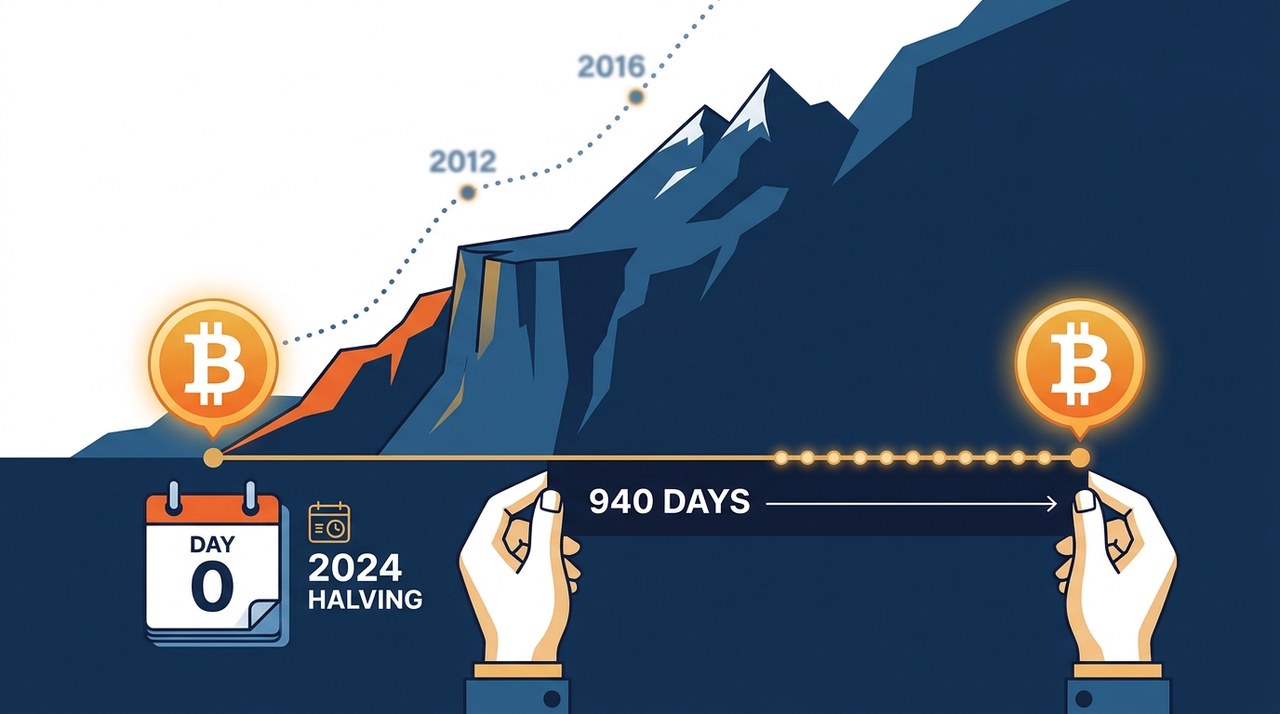
Bitcoin Price Stands Flat 940 Days After 2024 Halving
For the first time in crypto history, Bitcoin's price is unchanged 940 days after a halving event, trading near $64,606.
|

 +2
Optimizely Hack Compromises 178 Sites to Steal Crypto
A major supply-chain cyberattack on Optimizely affected 178 organizations, injecting malicious code to steal crypto and credit card data.
|