


Optimizely Hack Compromises 178 Sites to Steal Crypto
What Happened in the Optimizely Supply-Chain Attack?
Imagine going to a popular, trusted store, but a sneaky hacker has secretly swapped out the card scanner at the checkout counter.
That is essentially what happened in a recent cyberattack involving Optimizely, a popular web experiment and testing platform.
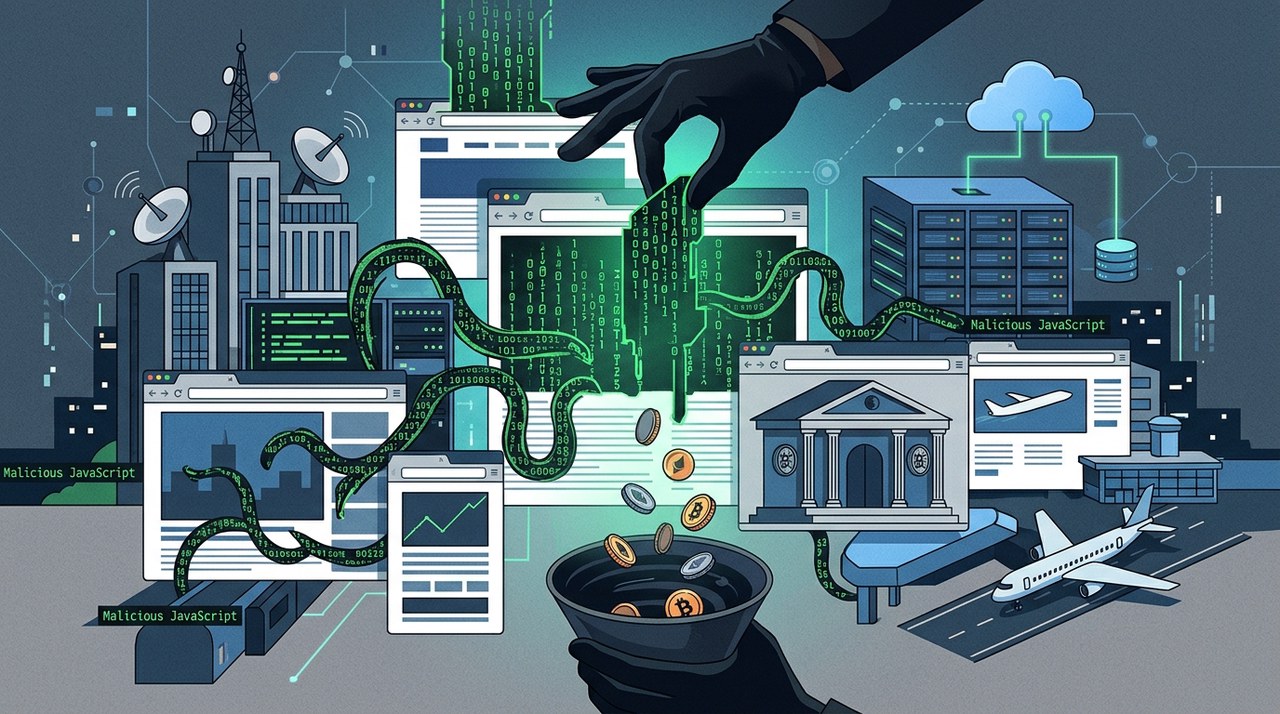
Attackers managed to compromise 188 JavaScript files across websites belonging to 178 major organizations worldwide.
The list of affected websites includes household names across tech, media, finance, and travel sectors:
- Major news outlets like CNN, BBC, and Fox News
- Tech platforms such as Zoom, Salesforce, GitLab, Hootsuite, and Smartsheet
- Financial institutions including HSBC Singapore and Mutual of Omaha
- Global brands such as IKEA, KLM, Air France, American Eagle, Virgin Media O2, Stamps.com, and Tricentis
How the Attackers Snuck Past Security Defenses
Cybersecurity researcher Scott Helme uncovered the breach after checking 1,611 Optimizely scripts on November 17.
He discovered that 188 of those scripts contained malicious code hiding right in plain sight.
This is a big one. We found malicious JavaScript being served through Optimizely to some of the world's largest websites. 178 organisations affected, with everything from crypto theft and card skimming to iOS exploits.
The hackers did not need to breach each individual company's internal server.
Instead, they exploited a weakness in Optimizely's account signup process. This allowed them to inject malicious scripts through Optimizely's Web Experimentation tool.
Because the infected scripts were served directly from Optimizely's official domain (cdn.optimizely.com), web browsers trusted them automatically.
Once loaded by a visitor's browser, the infected script connected to an external server (1688360[.]cc/track.js) to download the main malware payload.
To make detection even harder, the attackers used Base64 encoding to hide their malicious web addresses from security filters.
Crypto Address Swapping and Credit Card Skimming
This malware was not just gathering basic analytics. It contained a dangerous feature known as a crypto clipper.
A crypto clipper monitors web pages, input boxes, and your device's clipboard for cryptocurrency wallet addresses.
When you copy a recipient's wallet address to send funds, the malware quickly swaps it with an address owned by the attacker.
If you do not double-check the address before hitting send, your funds go straight to the hacker instead.
The malicious script targeted multiple major blockchain networks:
- Bitcoin (BTCBTC-0.29%)
- EthereumETH+0.38%
- SolanaSOL+1.93%
- TRON (TRX)
- Dogecoin (DOGEDOGE-0.32%)
- Litecoin (LTC)
- Bitcoin Cash (BCHBCH+1.47%)
- TON Network
By November 16, researchers traced approximately $7,040 in stolen cryptocurrency sent directly to the attackers' wallets.
In addition to clipping crypto addresses, the malware could steal payment card data, log session cookies, and take screenshots of sensitive user actions.
Separate Mobile Threat Targeting iPhones and iPads
The malicious script also checked what device each website visitor was using.
If it detected an iPhone or iPad, it attempted to trigger a separate attack path specifically for Apple mobile users.
The script loaded additional malicious code from .icu domains using known exploit tools, including the Coruna and Dark Sword exploit kits.
Researchers discovered a second-stage payload named boot.js and an invisible iframe targeting unpatched iOS vulnerabilities.
However, security analysts noted that the presence of exploit code does not mean every exposed Apple device was successfully compromised.
How Optimizely Responded to the Breach
Optimizely moved quickly to patch the security vulnerability and disable the malicious code across its network.
By late Monday, most of the infected scripts were successfully removed or neutralized.
Earlier today, Optimizely identified and contained a security incident affecting some Optimizely Web Experimentation customers. The vulnerable path is blocked, the injected code was removed, and customers have been contacted directly.
The company also secured affected user accounts and added extra protections to prevent unauthorized code injections in the future.
Key Takeaways for Crypto Holders and Web Users
Supply-chain attacks highlight why web safety requires constant vigilance, especially when transferring digital assets.
Here are simple security steps to protect your funds and personal data:
- Always verify every character of a crypto address before approving any transaction.
- Use hardware wallets that require physical confirmation of the destination address on an isolated screen.
- Keep your mobile operating systems and web browsers updated to the latest security versions.
- Consider using dedicated web browsers or wallet apps specifically designed for crypto activity.
Past digital asset performance or security statistics do not guarantee future results or market outcomes.
Latest blog posts


Twenty One Capital Buys $10M Bitcoin Dip Amid Stock Slump
Twenty One Capital bought 154.32 Bitcoin for $10 million during a price dip, increasing its treasury even as its stock price faces downward pressure.
|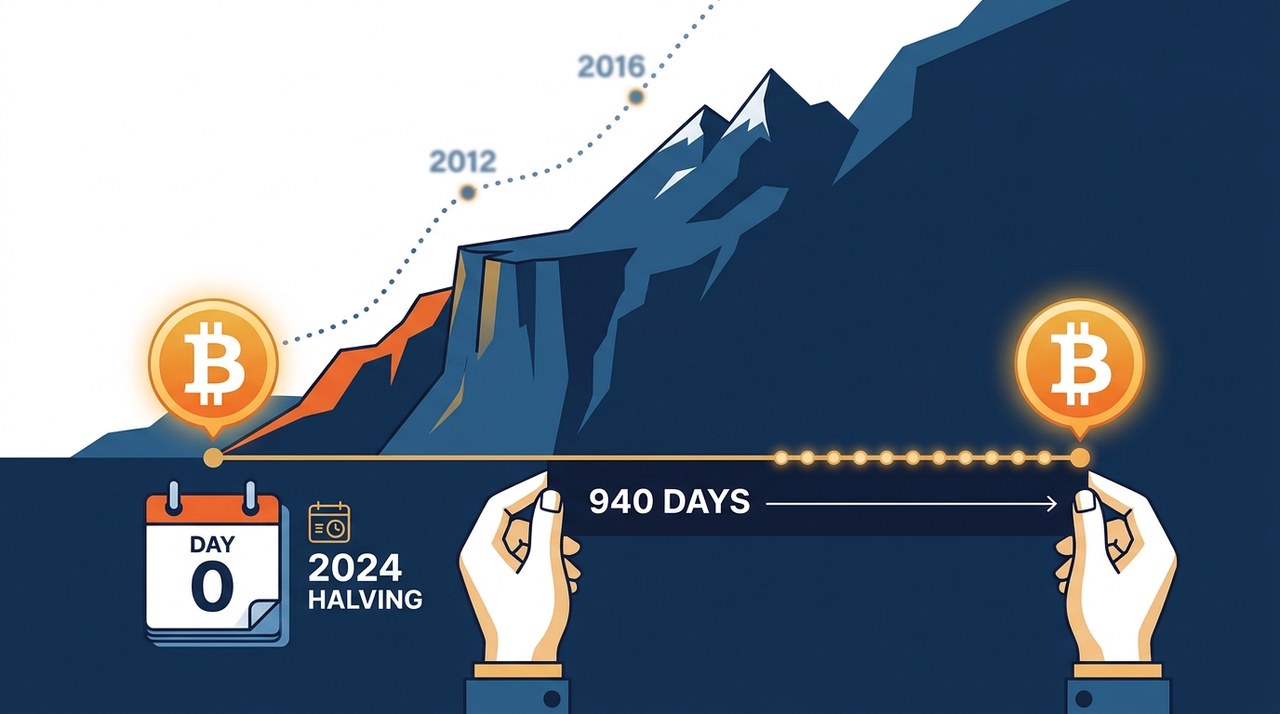
Bitcoin Price Stands Flat 940 Days After 2024 Halving
For the first time in crypto history, Bitcoin's price is unchanged 940 days after a halving event, trading near $64,606.
|

Hackers Target 178 Major Websites in Crypto Address Attack
A supply chain attack on Optimizely affected 178 major websites, secretly altering crypto deposit addresses to divert user funds to hackers.
|