South Korean Fintech Giant Toss Plans In-App Crypto Wallet
A Major Step into Web3 for South Korea's Super-App
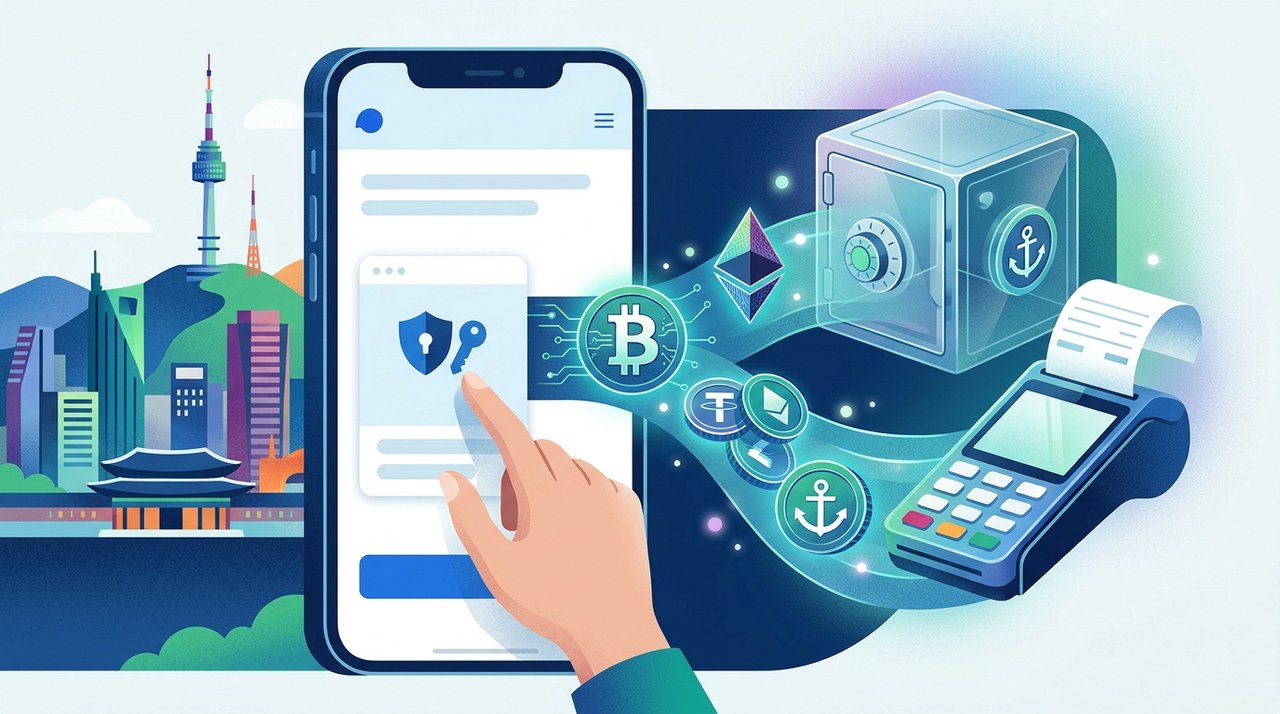
South Korea’s financial technology landscape is preparing for a significant evolution. Viva Republica, the parent company behind the popular fintech super-app Toss, is reportedly planning to launch a non-custodial cryptocurrency wallet directly inside its application.
According to industry reports, the company is not stopping at just wallet services. Toss is also gearing up to apply for a Virtual Asset Service Provider (VASP) license in South Korea.
This regulatory license would allow the fintech platform to legally expand its business operations and integrate stablecoin payments into its existing service ecosystem.
What We Know About the Toss Crypto Initiative
Toss has grown into one of South Korea's most widely used mobile financial applications. It serves millions of users with peer-to-peer transfers, banking, stock trading, and insurance management.
The reported strategy involves two main components:
- In-App Non-Custodial Wallet: A self-custody wallet built right into the existing Toss mobile application.
- VASP Licensing for Payments: Obtaining official regulatory approval to facilitate commercial payments using stablecoins.
By adding these features, Toss aims to bridge traditional financial services with decentralized Web3 applications. This would allow users to access digital assets without leaving their primary financial app.
Understanding Non-Custodial Wallets: How Do They Work?
To understand why this news matters, it helps to know how a non-custodial wallet works compared to a traditional bank account or centralized exchange account.
Think of a traditional custodial service like keeping your money in a bank vault. The bank manages the safety of your funds, but they also control access to the vault.
A non-custodial wallet, on the other hand, is like a personal safe inside your house. Only you hold the key, known in crypto as a private key or recovery phrase.
- User Ownership: You retain direct control over your digital assets at all times.
- Enhanced Security Control: The platform cannot freeze your wallet or spend your tokens.
- Personal Responsibility: If you lose your recovery key, customer support cannot restore your account.
While non-custodial wallets offer greater independence, users must remember that digital asset investments carry market risks. Past performance of digital assets is not an guarantee of future performance.
Why Is a VASP License Necessary in South Korea?
South Korea maintains one of the strictest digital asset regulatory frameworks in the world. The country's Financial Services Commission (FSC) requires crypto-related businesses to register as VASPs.
To secure a VASP license, financial companies must meet rigorous standards set by regulators:
- Implementation of strict Anti-Money Laundering (AML) monitoring systems.
- Establishment of verified Know Your Customer (KYC) identity verification procedures.
- Compliance with South Korea's Virtual Asset User Protection Act to ensure consumer fund safety.
By applying for this license, Toss is signaling its intent to build a fully compliant payment gateway rather than operating in a regulatory gray area.
The Role of Stablecoins in Daily Payments
Stablecoins are digital currencies designed to maintain a stable value by pegging to traditional currencies like the U.S. Dollar or Korean Won.
Integrating stablecoin payments into a massive fintech platform like Toss could streamline digital commerce. It offers several potential operational advantages:
- Faster Transactions: Blockchain networks can process transfers near instantaneously.
- Lower Fees: Eliminating multiple banking intermediaries reduces payment processing overhead.
- Cross-Border Utility: Stablecoins simplify international transfers compared to traditional wire networks.
However, users should keep in mind that stablecoins carry operational and regulatory risks. Market volatility can still impact broader crypto markets, and stablecoins rely heavily on the stability of their underlying reserves.
South Korea's Shifting Fintech Landscape
South Korea has long been a powerhouse for cryptocurrency trading, often driven by active retail market participation. Local exchanges like Upbit and Bithumb command significant trading volumes.
Until recently, traditional banking apps and mainstream fintech platforms kept crypto trading separate from everyday financial tools.
If Toss successfully deploys its non-custodial wallet and secures a VASP license, it could inspire other mainstream South Korean technology firms to integrate blockchain features into their consumer apps.
Looking Ahead: What Users Should Keep in Mind
Toss's moves highlight the ongoing convergence between traditional financial institutions and Web3 technology. Bringing self-custody tools to tens of millions of app users could simplify access to digital assets.
As with any new financial product launch, the timeline for rollout depends heavily on regulatory approval processes in South Korea.
Users exploring digital assets through new wallet solutions should practice cautious security habits. Always safeguard private recovery keys carefully and remember that historical asset returns do not ensure future market growth.
Latest blog posts


JPMorgan and DBS Launch 24/7 Cross-Border Dollar Transfers
JPMorgan and DBS have connected their blockchain deposit networks, enabling approved clients to move tokenized U.S. dollars between Singapore and the U.S. at any time.
|
DBS and JPMorgan's Kinexys Launch 24/7 Tokenized Transfers
DBS and JPMorgan's Kinexys have introduced continuous US dollar deposit transfers between Singapore and the US, with Ant International as the pioneer user.
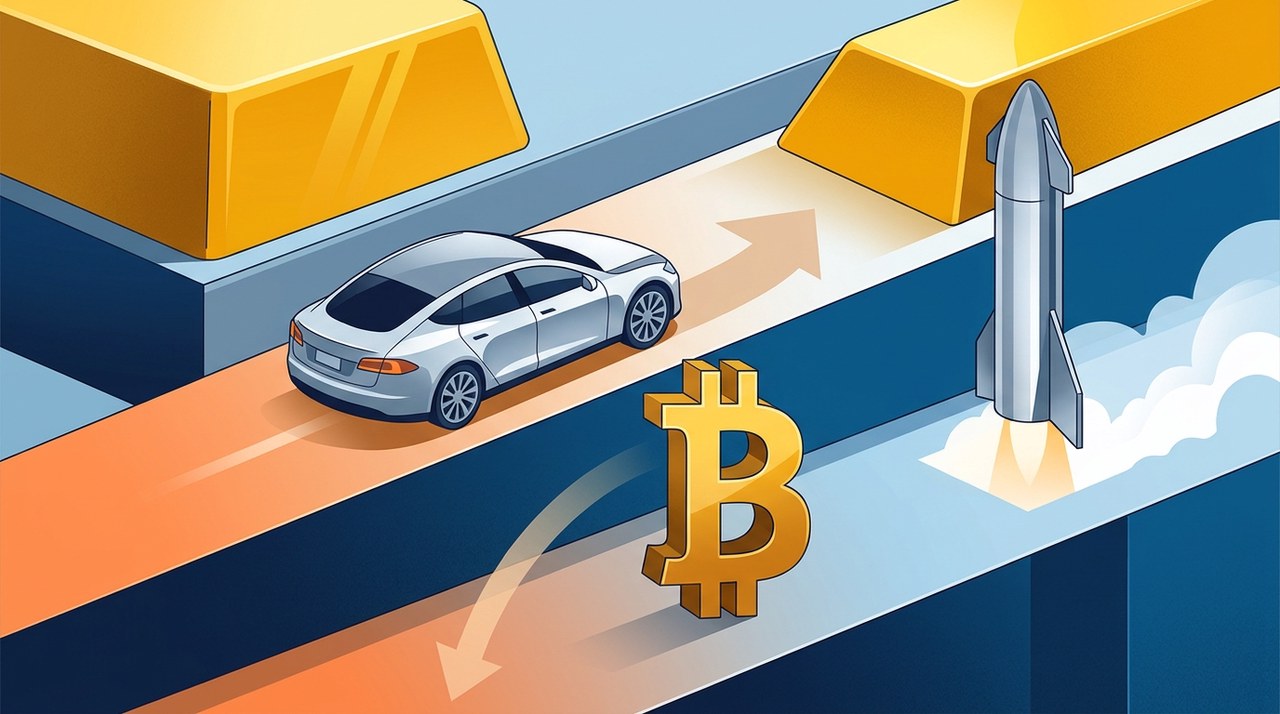

Bitcoin Price Drops to $64K, Falling Behind Tesla in Global Asset Rankings
Bitcoin's market capitalization has dropped to $1.30 trillion, placing it behind Elon Musk's Tesla in global asset rankings.
|