
JPMorgan and DBS Launch 24/7 Cross-Border Dollar Transfers

Breaking Down the Big News
Imagine needing to send money across the world on a Saturday afternoon, only to be told that the banks are closed until Monday morning. For decades, global corporations and financial institutions faced this exact hurdle. Traditional banking networks operate on strict business hours, leaving treasurers unable to move capital over the weekend.
That legacy restriction is starting to change. Banking giants JPMorgan and DBS have officially connected their blockchain-based deposit networks. This landmark integration allows approved institutional clients to move tokenized U.S. dollars between Singapore and the United States instantly, 24 hours a day, seven days a week, including weekends and public holidays.
Why Legacy Cross-Border Payments Suffer from Delays
To appreciate why this blockchain connection matters, it helps to understand how international wire transfers traditionally function. When a enterprise in Singapore sends U.S. dollars to a business partner in New York, the transaction relies on a network of correspondent banks.
This traditional process involves several steps that introduce operational friction:
- Payment instructions are relayed through messaging platforms like SWIFT.
- Multiple intermediary banks must verify accounts, liquidity, and compliance details.
- Transactions are constrained by regional central bank clearing hours and local cut-off times.
- Settlement processing pauses completely during weekends and national holidays.
Because of these steps, standard international wire transfers can take anywhere from a few hours to several days to clear. If a corporate payment misses a Friday afternoon cut-off window, the funds might not settle until Tuesday morning, locking up capital and creating foreign exchange exposure.
Understanding Tokenized Deposits vs Stablecoins
The engine driving this new real-time payment link is tokenized deposit technology. While tokenized deposits run on distributed ledger technology, they differ in key ways from public stablecoins such as USDT or USDCUSDC-0.21%.
Key characteristics of tokenized deposits include:
- Commercial Bank Money: Tokenized deposits are digital representations of existing commercial bank deposits held directly at regulated institutions like JPMorgan or DBS.
- Direct Bank Liability: Unlike third-party backed stablecoins, tokenized deposits represent direct claims on the issuing commercial bank.
- Programmability: These digital tokens can execute automated payment conditions via smart contracts without manual intervention.
- Regulatory Compliance: They operate inside permissioned banking networks with strict Anti-Money Laundering (AML) and Know-Your-Customer (KYC) controls.
By representing standard dollar deposits as digital tokens on a permissioned shared network, financial institutions can settle transactions peer-to-peer nearly instantly around the clock.
How the JPMorgan and DBS Integration Works
Both DBS and JPMorgan have spent years developing enterprise-grade blockchain infrastructure. JPMorgan operates its dedicated blockchain division, while DBS has introduced tokenized treasury management solutions for corporate clients.
By connecting their respective platforms, the two banks established an operational bridge across global financial hubs. When an approved institutional client initiates a cross-border transaction, tokenized U.S. dollars move across the permissioned ledger between Singapore and the U.S. in seconds.
Once received, the recipient can hold the tokenized dollars inside their digital account or convert them into traditional bank deposits. This eliminates the need to align business hours across different time zones.
Key Advantages for Corporate Treasuries
The transition to continuous 24/7 settlement unlocks several strategic advantages for institutional balance sheet management:
- Zero Cut-Off Deadlines: Corporate treasurers no longer need to rush payments to beat local clearing house operational hours.
- Improved Liquidity Efficiency: Capital is not trapped in overseas Nostro accounts over long weekends, reducing the liquidity buffer companies must hold.
- Reduced Settlement Risk: Real-time atomic settlement ensures funds arrive simultaneously, lowering counterparty risk during volatile market conditions.
- Automated Treasury Triggers: Businesses can program smart contracts to automatically transfer liquidity whenever cash balances hit preset limits.
Operational Risks and Security Considerations
While continuous settlement offers substantial efficiency gains, institutional market participants must also account for technical and systemic risks.
Key risk factors include:
- Access Limits: The facility is restricted strictly to accredited institutional clients who pass rigorous compliance screening.
- Technical Infrastructure Risk: Blockchain nodes and smart contract code remain vulnerable to potential software glitches or service outages.
- Evolving Regulatory Frameworks: Cross-border digital asset transactions are subject to shifting international rules regarding liquidity reserves and reporting.
Maintaining continuous risk monitoring and system redundancy remains essential for institutions relying on digital asset settlement networks.
The Road Ahead for Global Banking Settlement
The interoperability established between JPMorgan and DBS highlights a key trend in institutional finance: public and permissioned blockchains are becoming integrated into traditional corporate banking infrastructure.
As additional commercial banks launch tokenized deposit products and connect their networks globally, 24/7 real-time settlement could transition from an innovative feature to a global baseline requirement for institutional treasury operations.
Latest blog posts

DBS and JPMorgan's Kinexys Launch 24/7 Tokenized Transfers
DBS and JPMorgan's Kinexys have introduced continuous US dollar deposit transfers between Singapore and the US, with Ant International as the pioneer user.


Bitcoin Price Drops to $64K, Falling Behind Tesla in Global Asset Rankings
Bitcoin's market capitalization has dropped to $1.30 trillion, placing it behind Elon Musk's Tesla in global asset rankings.
|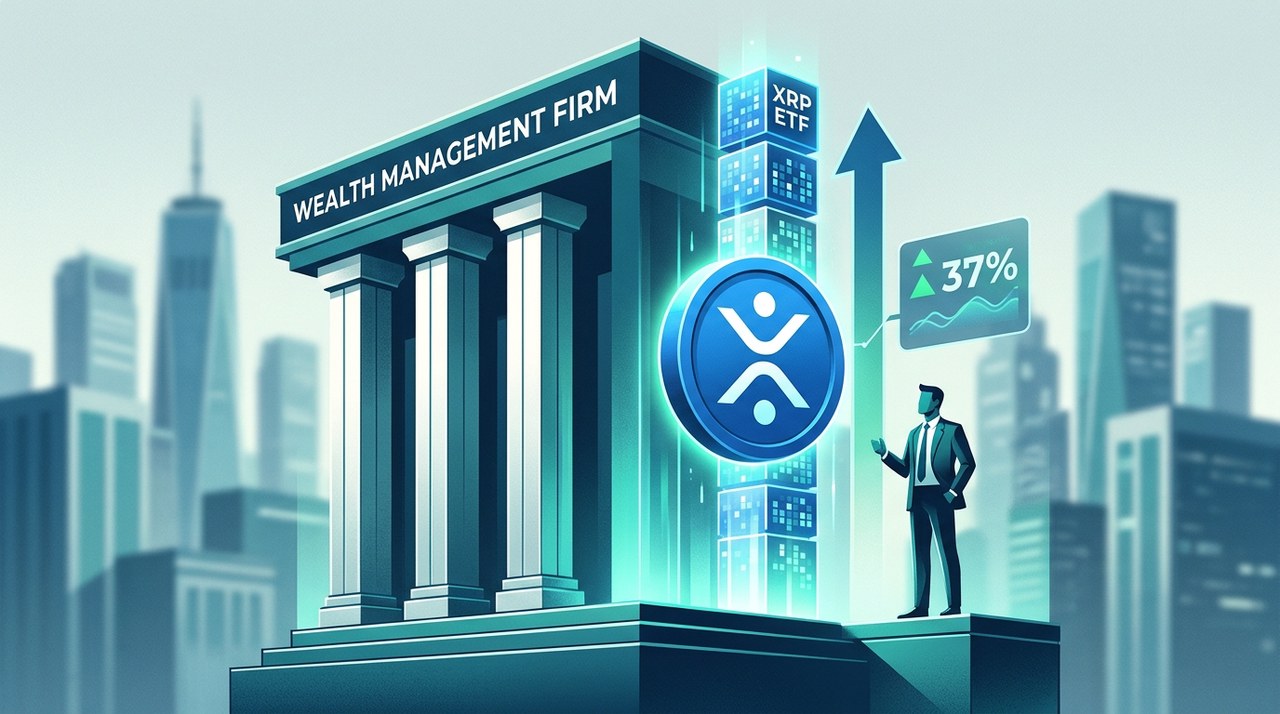

Major Wealth Firm Boosts XRP ETF Holdings by 37%
California-based EP Wealth Advisors disclosed an 18,400-share position in the Volatility Shares XRP ETF in its Q3 SEC filing, marking a 37% increase.
|