South Korea Proposes Reversing 2017 Ban on Crypto ICOs

South Korea Considers a Major Shift in Crypto Policy
South Korea is proposing to end its long-standing ban on Initial Coin Offerings, commonly known as ICOs.
The goal behind this move is straightforward. Policymakers want to boost local job creation and encourage onshore crypto investment.
Back in 2017, South Korean regulators banned ICOs due to concerns over heavy market speculation and investor risk.
What is an ICO and Why Does It Matter?
An Initial Coin Offering is a way for blockchain startups to raise funds. Think of it like a digital crowdfunding campaign.
Instead of selling shares, companies sell newly minted digital tokens to investors. Investors buy these tokens hoping the project succeeds.
When South Korea banned local ICOs in 2017, many domestic crypto projects moved overseas. They set up shop in places like Singapore or Switzerland instead.
New Transparency and Disclosure Standards
Under the new proposal, ending the ban comes with strict guardrails.
Token issuers will be required to fully disclose how they plan to spend the funds raised from investors.
Issuers must provide clear documentation detailing fund management, development roadmaps, and business operations.
- Clear financial disclosure on how raised capital is allocated
- Detailed project roadmaps and realistic operational goals
- Transparent reporting mechanisms for ongoing token distribution
Criminal Penalties for Misleading Investors
To keep the market safe, the proposed rules include strict legal consequences for bad actors.
Token issuers who mislead buyers or misrepresent their financial plans could face criminal charges.
The government aims to build a trustworthy environment for digital assets by punishing fraudulent activity severely.
Token issuers would have to disclose how they plan to spend investors' money and could face criminal charges for misleading buyers.
Economic Impact: Keeping Jobs and Capital Domestic
By legalizing and regulating local ICOs, South Korea hopes to retain tech talent and capital within its borders.
Allowing local fundraising encourages innovation in Web3, software engineering, and digital finance.
This policy shift aligns with a broader global trend of moving away from outright bans toward clear regulatory frameworks.
What This Means for the Crypto Market
A regulated ICO framework provides legitimate projects a legal pathway to raise funds in South Korea.
However, investors should remember that digital asset investments remain inherently volatile and subject to market risks.
While regulatory oversight increases transparency, it does not guarantee financial returns or protect against market downturns.
Latest blog posts
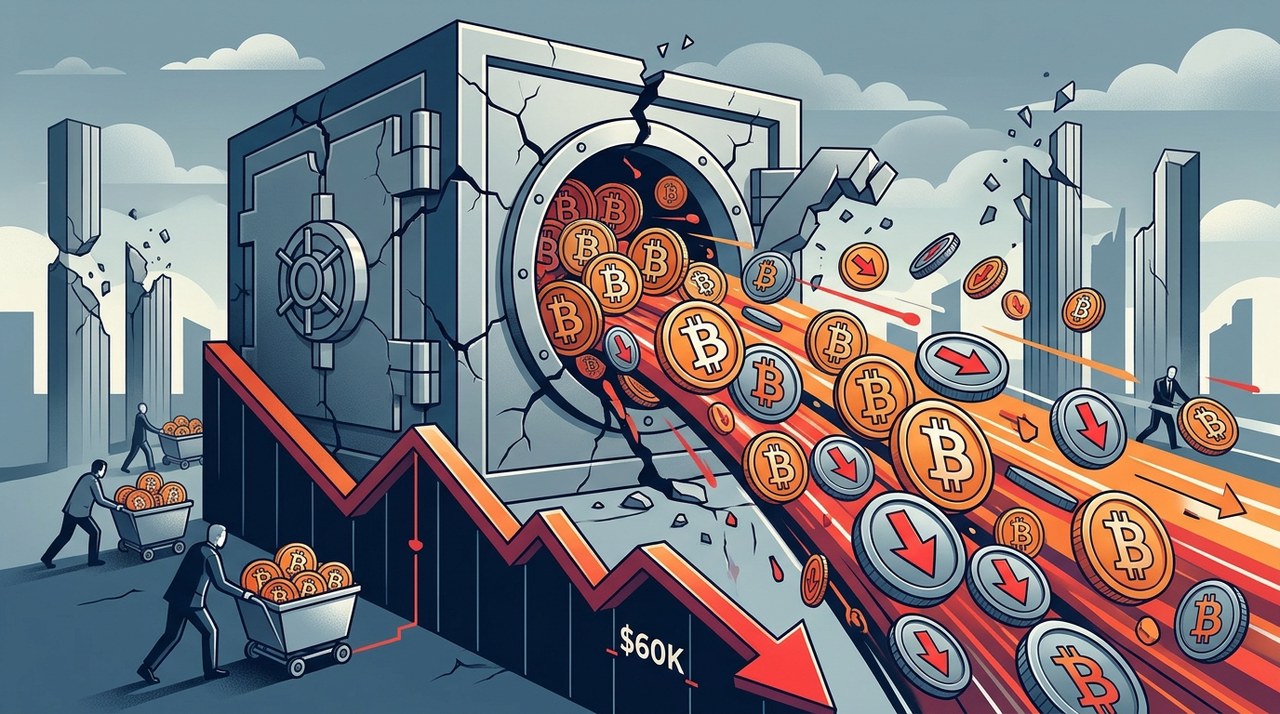

Bitcoin ETFs See $570M Outflow as BTC Drops Below $60K
U.S. spot Bitcoin ETFs saw $570 million in net outflows on Monday, with BlackRock leading the exits as total November withdrawals near $5 billion.
|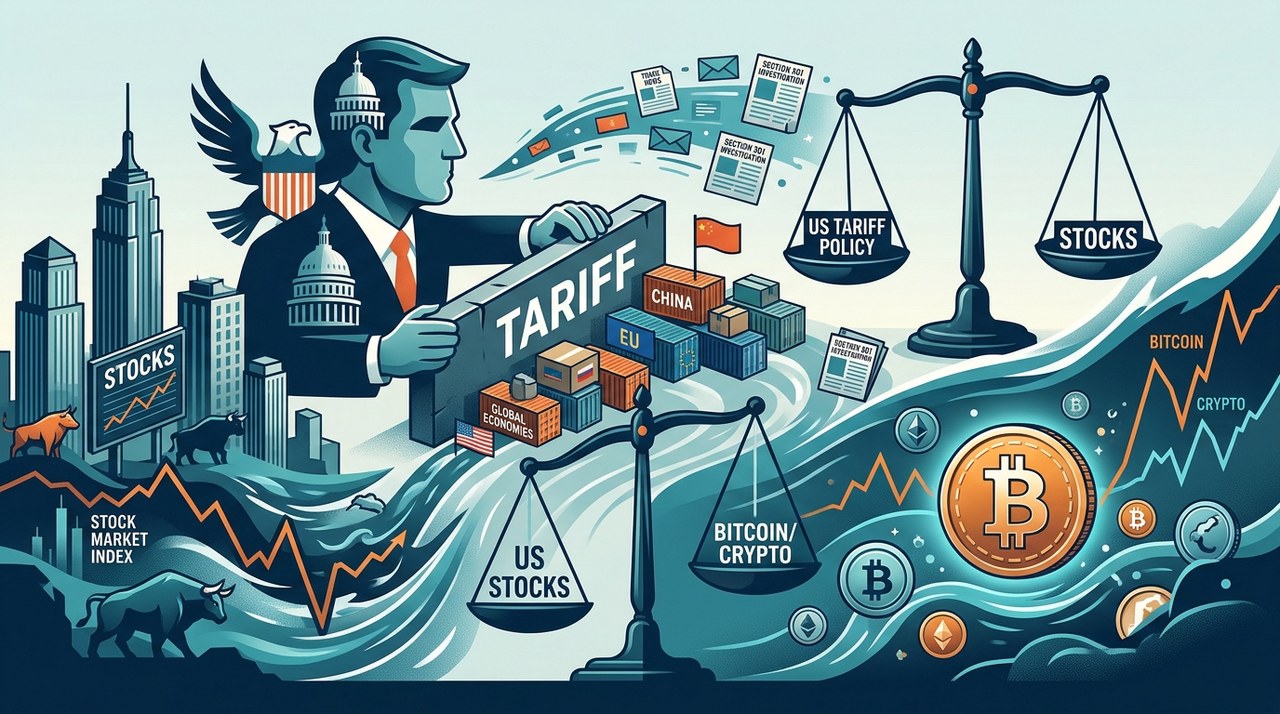
New US Tariffs Loom: What It Means for Stocks and Bitcoin
The US is preparing new tariffs on China and 15 other nations, bringing trade tension back into focus for stocks and crypto markets.
|

XRPL DEX Daily Volume Reaches 4.51 Million XRP in Q3
Evernorth data shows XRP Ledger DEX averaged 4.51M XRP daily in Q3, with major traders driving 65% of volume and RLUSD rising 74%.
|