
Solana Retires Mainnet Beta Tag to Launch Solana 1.0
A New Milestone for the SolanaSOL-0.72% Network
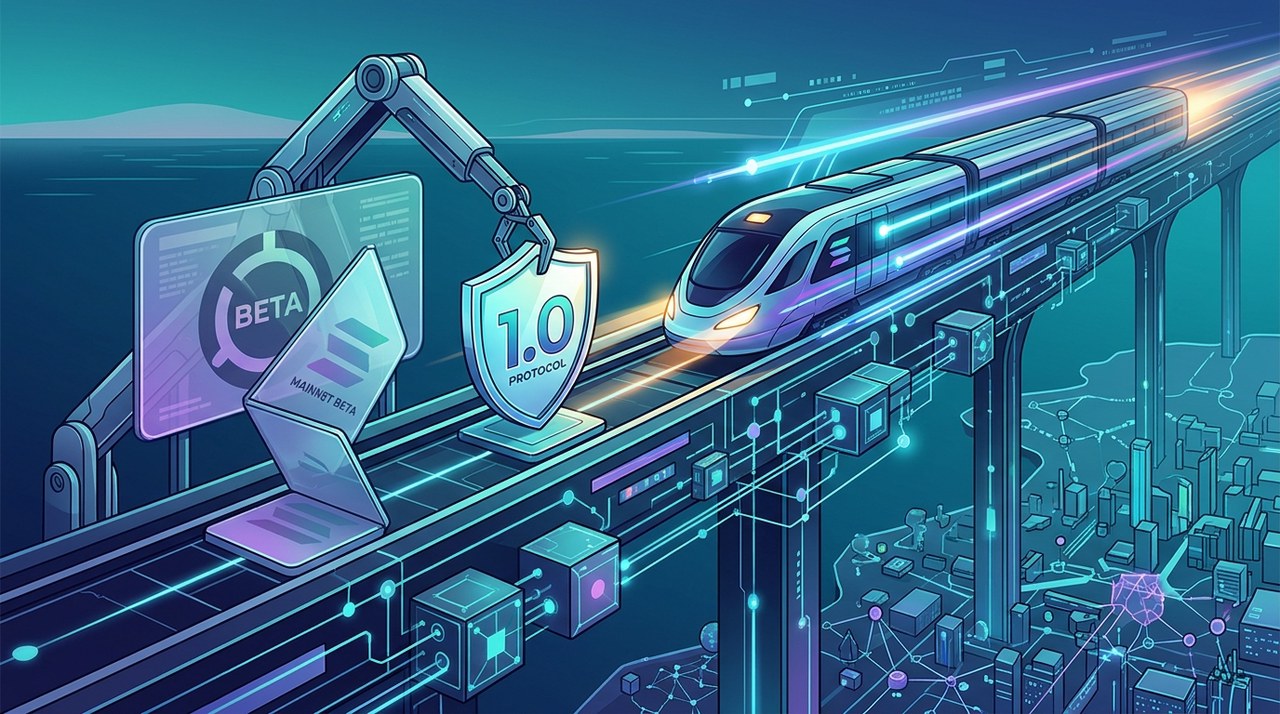
The Solana Foundation has officially retired the mainnet beta label for its blockchain network. In its place, the team introduced Solana 1.0 as a shared protocol version across the entire ecosystem.
For years, community members and developers saw the word beta next to Solana's network name. Now, that label is officially gone, marking a significant step forward in the project's development roadmap.
What Did the Mainnet Beta Label Mean?
When Solana launched its mainnet back in March 2020, developers added the beta tag to signal that the software was live but still undergoing active optimization.
Think of it like test-driving a high-performance vehicle on a public road while engineers sit in the passenger seat making fine adjustments. The car runs and carries passengers, but everyone knows it is still being fine-tuned under real-world conditions.
Over the past four years, the network processed billions of transactions and hosted thousands of decentralized applications. Despite handling massive user activity, the mainnet beta label remained attached to official documentation and network dashboards.
Understanding Solana 1.0 as a Shared Protocol
Removing a software tag might sound like a simple branding change, but the introduction of Solana 1.0 carries real technical weight for the blockchain network.
Solana 1.0 represents a unified protocol specification rather than just a single software update. It establishes a formal blueprint for how validator nodes, core developers, and third-party applications interact on the network.
In the early days, almost every node on the network ran software built directly by Solana Labs. Moving forward, the network is prioritizing client diversity with independent client implementations like Agave and Firedancer.
Why Client Diversity Requires a Shared Version
Having multiple independent software clients is crucial for blockchain security. If one software implementation develops a bug, nodes running an alternative client can keep the blockchain operating smoothly.
For multiple software clients to agree on transaction history, they must follow identical rules. Solana 1.0 acts as the standardized reference point that defines those core rules for all engineering teams.
How Solana Built Its Foundation
To understand why reaching protocol version 1.0 matters, it helps to examine how Solana processes data compared to traditional blockchains.
Solana combines Proof of Stake with a cryptographic mechanism called Proof of History (PoH). Proof of History creates a reliable internal clock across all validator nodes on the network.
Instead of spending time negotiating when a transaction occurred, nodes use built-in timestamps to sequence transactions quickly and efficiently.
- Proof of History: Encodes passage of time directly into the transaction ledger for rapid block creation.
- Proof of Stake: Secures the network by allowing validators to stake native SOL tokens.
- High Capacity: Designed to support high transaction throughput and low fees per transaction.
Network Development and Reliability Improvements
Solana's journey to version 1.0 included notable technical hurdles. During periods of peak market activity, the network experienced performance degradation and occasional outages in previous years.
Core developers responded by implementing upgrades such as local priority fee markets, QUIC networking protocols, and stake-weighted quality of service (SWQoS) to manage incoming traffic.
Graduating from the beta label reflects the consolidation of these network stability measures into a mature baseline specification.
What This Change Means for Users and Developers
For everyday users, basic network interactions such as sending transactions or interacting with decentralized apps remain unchanged. The primary user experience continues to offer fast settlement and low costs.
For developers and institutional partners, moving away from a beta tag provides clearer technical standards. Enterprise builders often prefer building on protocols with explicit versioning and standardized consensus specifications.
It also establishes a clear foundation for future upgrades. Engineering teams can build subsequent protocol features on top of the established 1.0 baseline.
Risks and Considerations to Keep in Mind
While adopting protocol version 1.0 marks a key milestone, blockchain networks remain complex software systems that carry technical and operational risks.
System updates require synchronized adoption among thousands of independent validator operators globally. Software changes can occasionally introduce unexpected bugs or network friction during rollouts.
Market participants should also remember that technical upgrades do not eliminate asset volatility. Digital asset valuations remain subject to broader market conditions and macroeconomic factors.
Past performance of digital assets or past network operational milestones do not guarantee future results. Market participants can monitor real-time prices and data at bitkub.com/th/market/SOL.
Final Thoughts
Retiring the mainnet beta designation and formalizing Solana 1.0 is an important transition for the network. By shifting toward a shared protocol specification and encouraging independent client software, Solana continues its focus on long-term infrastructure stability.
Latest blog posts
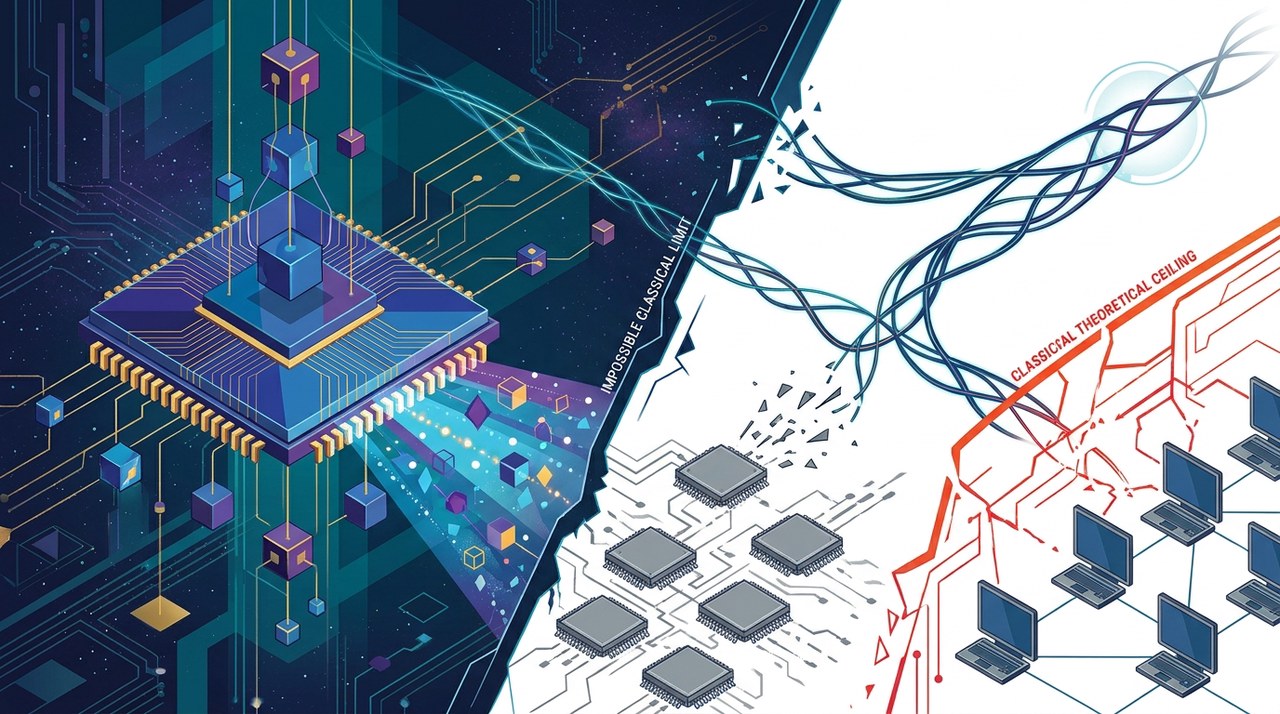


Google's Quantum Chip Beats Classical Limits in Impossible Game
Google's latest quantum chip has achieved a historic milestone by outperforming classical supercomputers in a non-local quantum game once deemed mathematically impossible for standard binary hardware.
|

Bitcoin Quantum Threat: Upgrades May Take Longer Than Expected
Quantum computers cannot crack Bitcoin today, but expert Leo Fan warns that upgrading security and moving custodial funds will take substantial time.
|

 +2
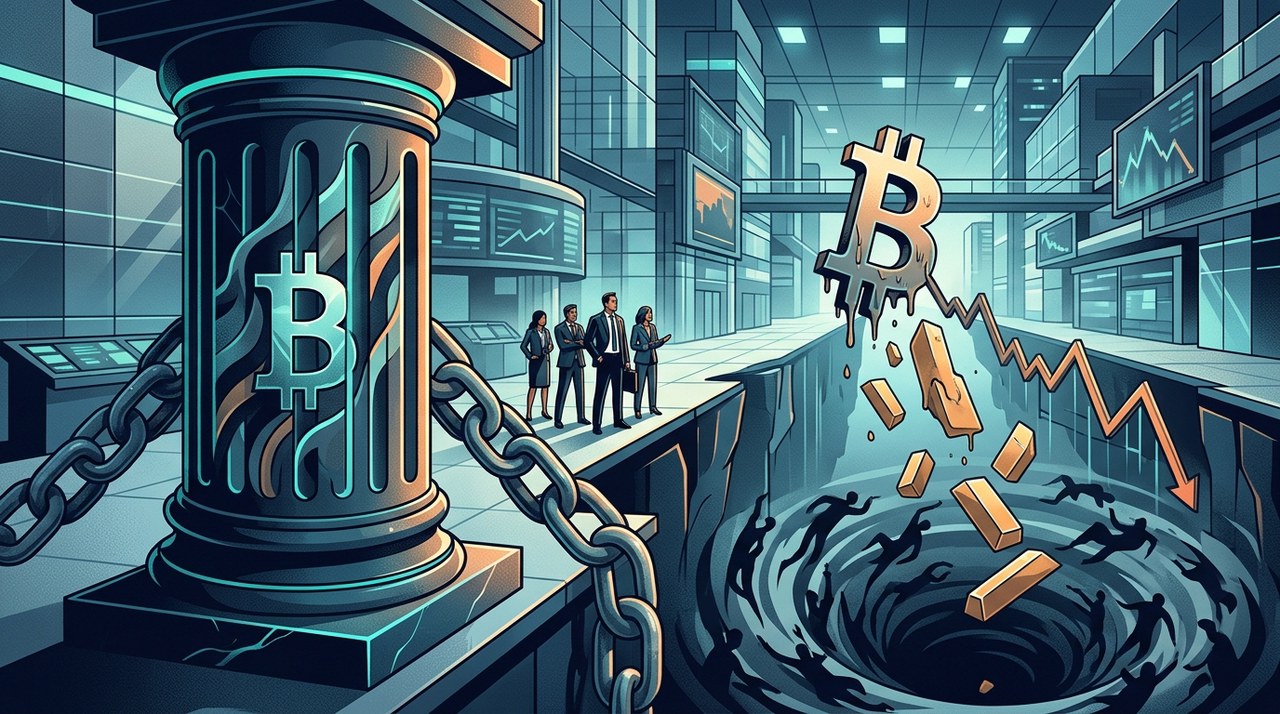
Institutional Conviction Meets Market Despair: Week in Review
Bitcoin fell below $62,000 as broader markets faced pressure, yet institutional adoption and blockchain integration hit record milestones.
|