
Solana Foundation Launches DvP for Fast Institutional Settlement
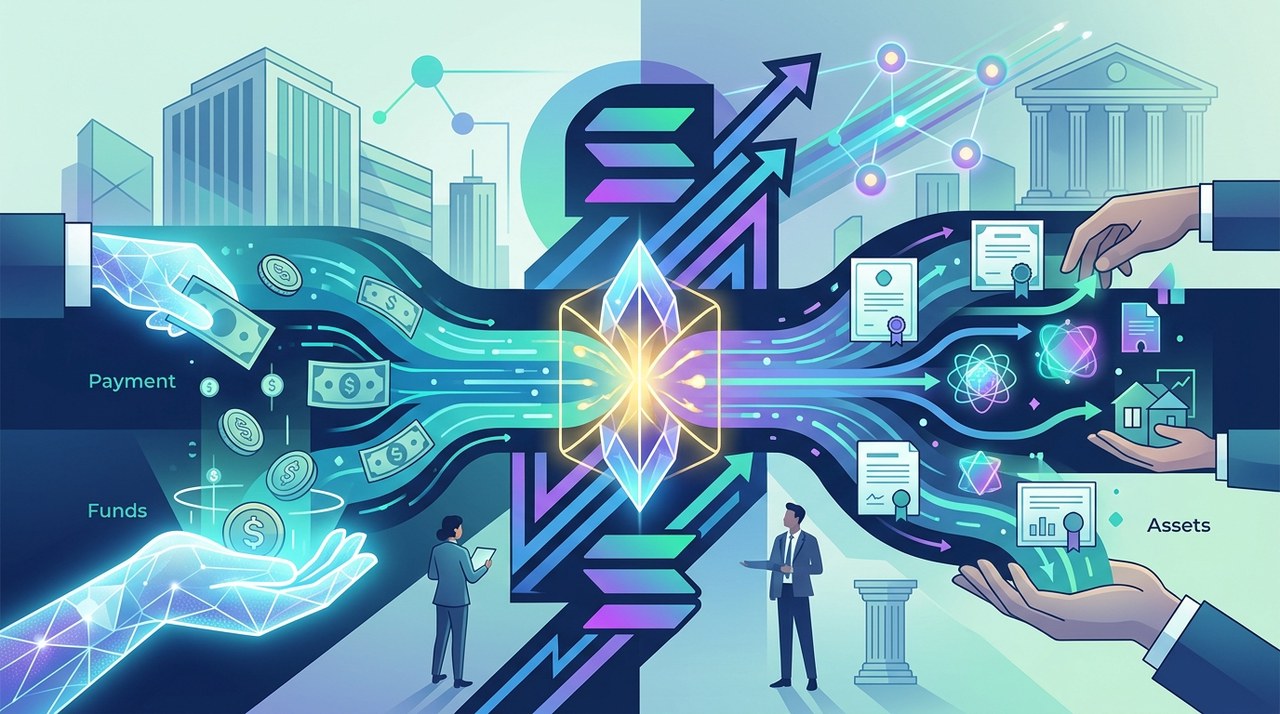
SolanaSOL-0.64% Foundation Launches DvP Settlement Program
The Solana Foundation has officially launched a new open-source Delivery versus Payment (DvP) program. This software is designed to help financial institutions complete asset transfers and payments in seconds.
Instead of waiting days for trades to settle, financial firms can now clear transactions almost instantly. This launch represents a major effort by Solana to bring traditional finance onto its high-speed blockchain network.
Understanding Delivery versus Payment (DvP)
To understand why this launch matters, let's look at how Delivery versus Payment works in everyday terms.
Imagine you are buying a used car from someone you have never met. You do not want to give them your money until you get the keys. At the same time, the seller does not want to hand over the keys until they receive your cash.
In the financial world, DvP solves this standoff. It is a settlement rule that links the delivery of an asset directly to its payment.
Both sides of the transaction happen simultaneously. If the payment fails, the asset is not delivered. If the asset cannot be delivered, the payment does not go through.
In crypto, developers call this an atomic settlement. Just like an atom cannot be easily split, an atomic trade cannot be partially completed. It either succeeds fully or fails entirely.
The Problem with Traditional Settlement Times
In traditional stock and bond markets, settling trades takes a long time.
When a bank buys securities today, the trade is matched right away. However, moving actual ownership and cash takes time.
Most traditional financial markets operate on a T+1 or T+2 timeline. This means final settlement happens one or two business days after the trade date.
During those waiting days, capital remains locked up in limbo. Both buyers and sellers face what experts call counterparty risk.
Counterparty risk is the danger that one side defaults or fails to deliver before the deal closes. Long settlement windows also force institutions to hold extra collateral, which increases operating costs.
How Solana DvP Speeds Up Transactions
Solana's new settlement program addresses long settlement waits directly.
Built as a smart contract program, Solana DvP allows institutional trading desks to swap tokenized assets and payments automatically.
When a trade is initiated, the smart contract verifies that both the tokenized asset and funds are available.
Once verified, the contract executes the transfer instantly across the Solana network.
This shrinks settlement windows from 24 or 48 hours down to less than two seconds.
Solana DvP offers financial institutions an open-source settlement program designed to complete asset transfers and payments in seconds.
The Benefits of an Open-Source Model
The Solana Foundation decided to make the DvP program completely open-source.
Open-source software means the underlying code is free for anyone to inspect, modify, and build upon.
For major institutions, this open framework provides key advantages:
- Customization: Institutions can adjust the open-source code to meet their specific compliance rules.
- Transparency: Security auditors can inspect the smart contract code to verify its safety.
- Cost Efficiency: Financial firms save money by not having to build settlement tools from scratch.
By releasing open code, Solana lowers the technical barrier for institutional adoption.
Why Built on Solana?
High-speed settlement requires a blockchain network capable of handling massive throughput.
Solana uses a unique technical architecture combining Proof of History (PoH) and Proof of Stake (PoS).
Proof of History creates a reliable cryptographic timestamp for every transaction on the network.
Because network nodes do not waste time agreeing on timestamps, Solana can process thousands of transactions per second with minimal transaction fees.
This speed and affordability make Solana well-suited for high-volume institutional trading.
Bridging Wall Street and Blockchain Networks
The launch of DvP comes as interest in real-world asset (RWA) tokenization reaches new highs.
Financial firms are increasingly issuing tokenized treasury bills, bonds, and private equity on public blockchains.
However, trading these digital assets safely requires institutional-grade settlement infrastructure.
Solana's DvP program gives institutions a reliable, ready-to-use framework for trading tokenized products in real time.
Challenges and Risks Ahead
While sub-second settlement offers clear benefits, institutions still face adoption hurdles.
Key factors that could slow enterprise adoption include:
- Regulatory Uncertainties: Changing digital asset laws across global jurisdictions.
- System Integration: Connecting blockchain tools with legacy banking software.
- Network Stability: Ensuring consistent network performance during peak market activity.
- Privacy Needs: Protecting sensitive trading details on public blockchain ledgers.
As a result, many financial institutions may test these programs in pilot phases before moving full production volume.
Conclusion and Market Outlook
The Solana Foundation's launch of DvP marks an important step toward real-time global finance.
By enabling open-source settlement in seconds, Solana is building infrastructure aimed at attracting institutional capital.
However, technology adoption is a gradual process that depends on market stability and clear regulations.
Investors should monitor real-world adoption metrics rather than relying solely on product announcements.
Past performance of digital assets or past operational updates do not guarantee future market returns or network activity.
To check current market trends and token metrics, visit Bitkub Market.
Latest blog posts
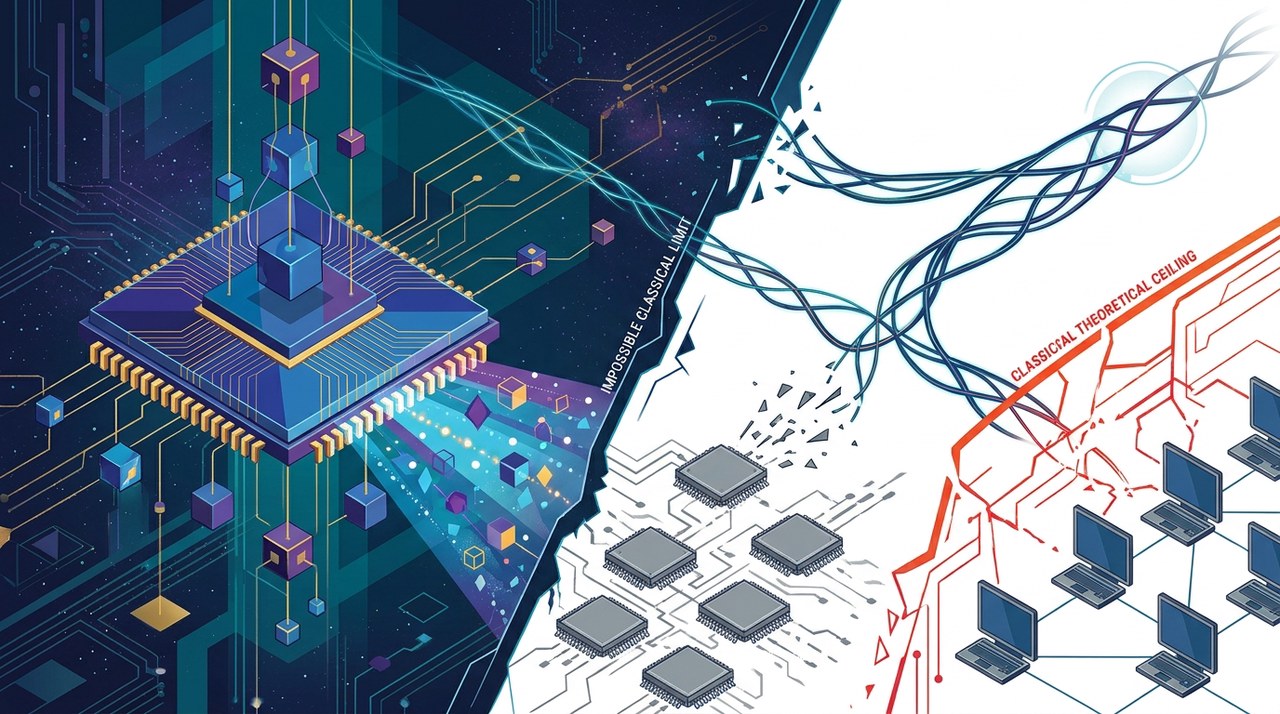


Google's Quantum Chip Beats Classical Limits in Impossible Game
Google's latest quantum chip has achieved a historic milestone by outperforming classical supercomputers in a non-local quantum game once deemed mathematically impossible for standard binary hardware.
|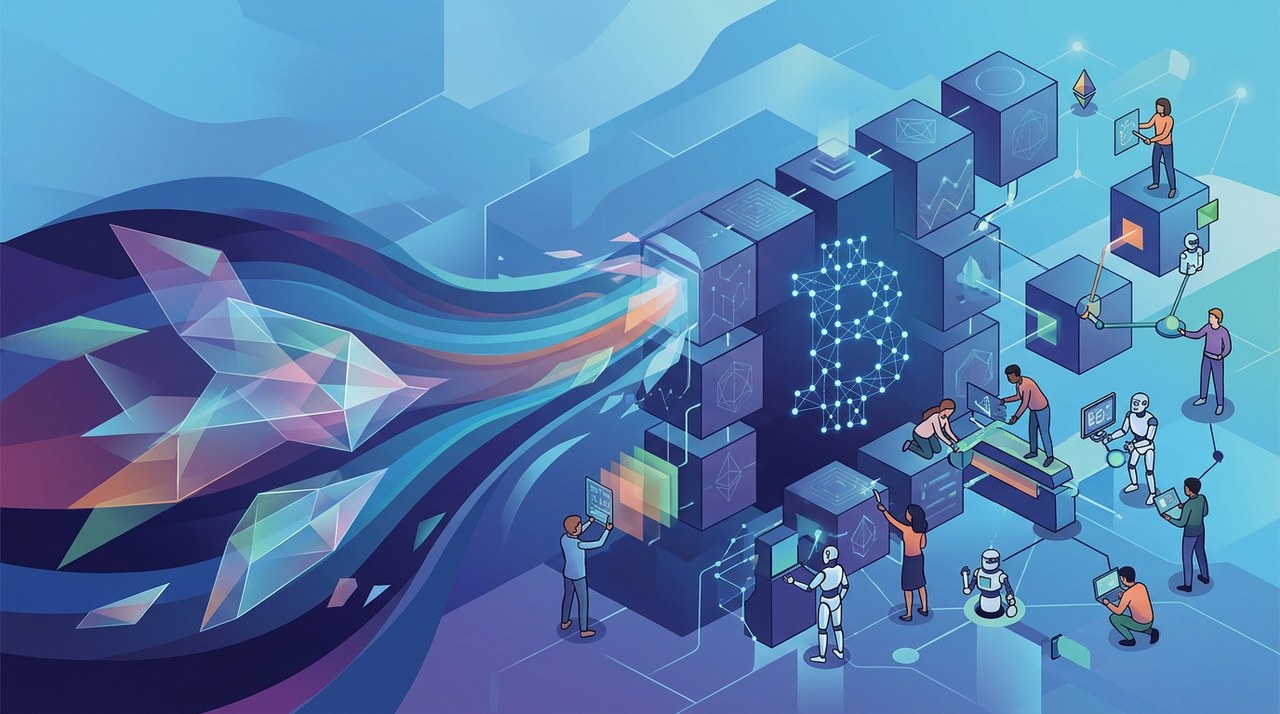

Bitcoin Quantum Threat: Upgrades May Take Longer Than Expected
Quantum computers cannot crack Bitcoin today, but expert Leo Fan warns that upgrading security and moving custodial funds will take substantial time.
|

 +2
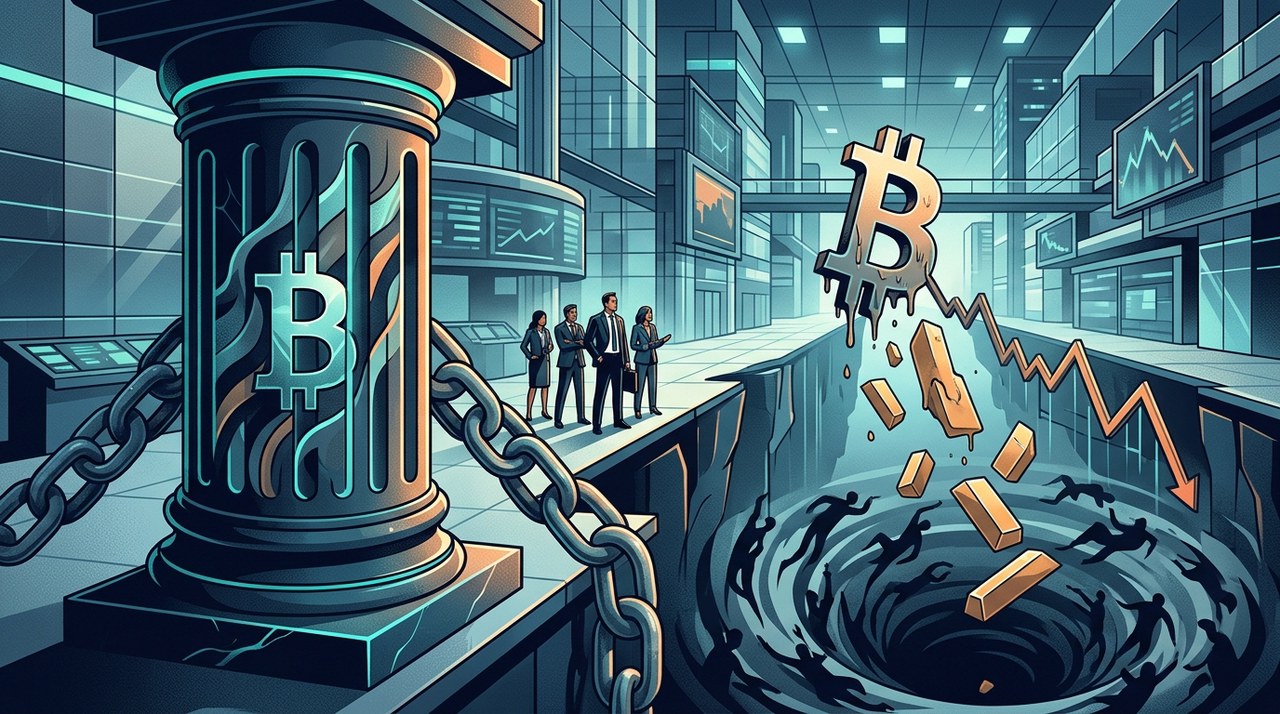
Institutional Conviction Meets Market Despair: Week in Review
Bitcoin fell below $62,000 as broader markets faced pressure, yet institutional adoption and blockchain integration hit record milestones.
|