
Solana Drops Beta Label After 6 Years of Growth
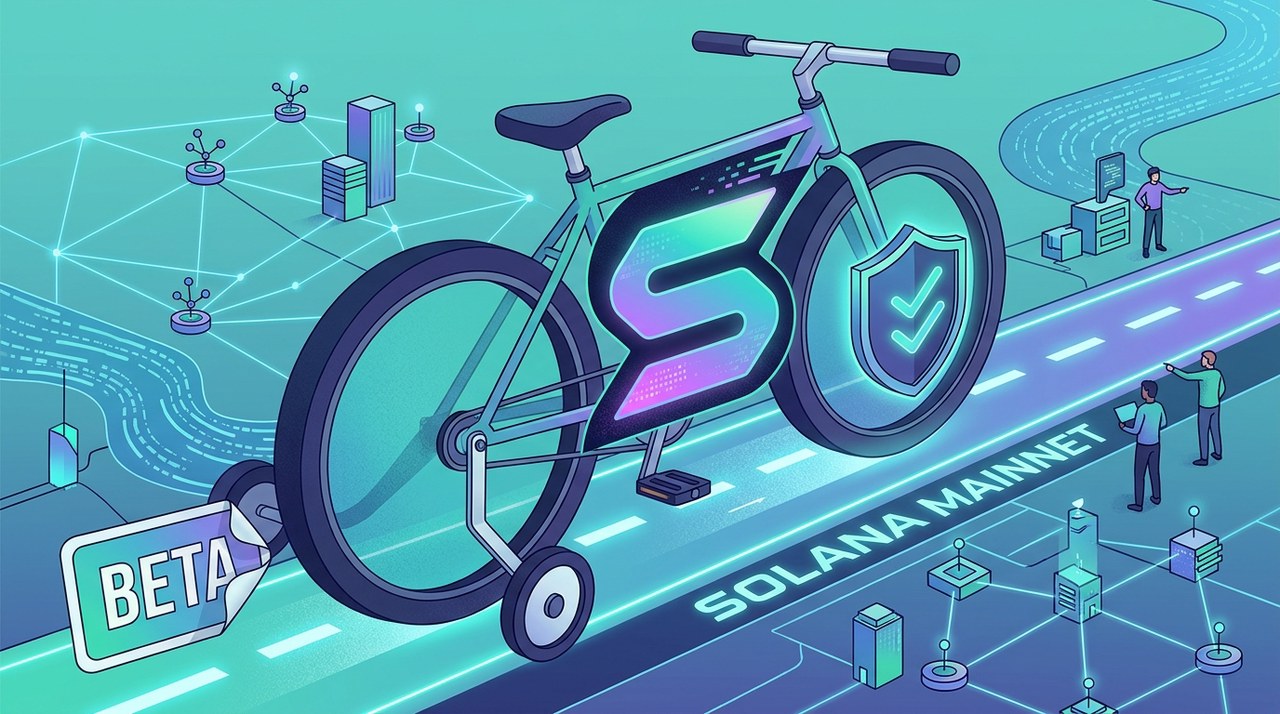
SolanaSOL+1.90% Officially Reaches Full Mainnet Status
Solana has officially dropped the beta label from its network after more than six years of development. The blockchain network is now moving forward under a unified release standard.
For regular crypto users, everything stays the same. Your wallets, token transactions, and decentralized applications (dApps) will continue operating without any interruption or manual updates.
What Does Dropping the Beta Tag Actually Mean?
When Solana launched its network in early 2020, developers tagged it as Mainnet Beta. This label signaled that the network was live, yet still undergoing heavy continuous testing.
Removing the beta tag is like removing the training wheels from a bicycle. It shows that the core architecture has reached a mature and reliable stage.
As part of this update, developers are introducing a shared version number across validator clients. This helps standardize software releases across the ecosystem.
What Changes for Daily Crypto Users?
If you hold tokens or use applications on Solana, you do not need to take any action. The update happens strictly under the hood at the validator code level.
- Your Wallets: Funds and private keys remain completely safe and operational.
- Your Transactions: Sending or receiving tokens continues as normal.
- Your Apps: Decentralized exchanges, games, and NFT marketplaces will function without disruption.
- No Token Migration: You do not need to swap or update your existing SOL tokens.
Why Shared Version Numbers Matter for Developers
In the past, different validator clients and software tools on Solana used separate release cycles. This occasionally created confusion during major upgrades.
By adopting a shared versioning system, all major software updates will follow a clear sequence. Think of it like modern smartphone operating systems that update in sync.
This synchronized versioning makes it easier for independent developers to build alternative client software, such as Firedancer and Agave, boosting overall network stability.
A Brief Look Back at Solana's Six-Year Evolution
Since its inception, Solana (SOL) has grown into one of the most widely used smart contract platforms in the world. It gained popularity due to high transaction speeds and low fees.
Over the past six years, the network faced technical challenges, including occasional network outages during heavy traffic. Engineers focused on refining client code to prevent future downtime.
Past performance of digital assets is not a guarantee of future performance. Readers interested in historical market metrics can review SOL and related tokens on standard trading platforms.
Understanding Risk Considerations for Crypto Assets
While removing the beta tag represents a technical milestone, blockchain networks always carry inherent software and market risks.
If broader adoption continues and software updates run smoothly, network efficiency could improve over time. However, technical bugs or broader market downturns could still cause network delays or price volatility.
Investors should evaluate technological progress alongside broader market trends before making financial decisions.
Latest blog posts


 +1
US Economic Events to Watch as Crypto Seeks Relief
Upcoming US inflation and employment reports could shape Federal Reserve rate expectations after a volatile week for cryptocurrency markets.
|
South Korea to Release Draft Crypto Legal Framework This Week
South Korea is set to publish a comprehensive crypto draft framework featuring business licensing rules and bank-centered stablecoin regulations.
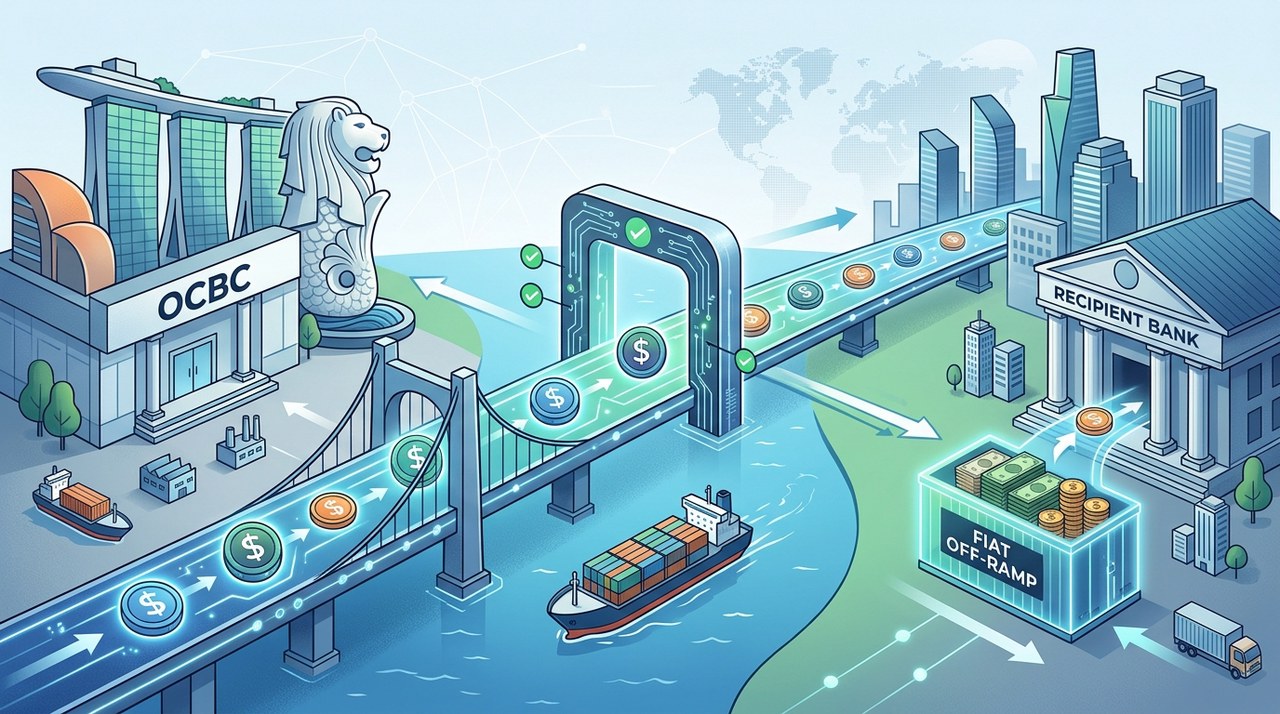
OCBC and StraitsX Test Stablecoins for Business Payments
Singapore's OCBC Bank has partnered with StraitsX to pilot a cross-border business payment system powered by stablecoins and traditional fiat infrastructure.