

Solana Co-Founder Names Top Threat to Crypto Security
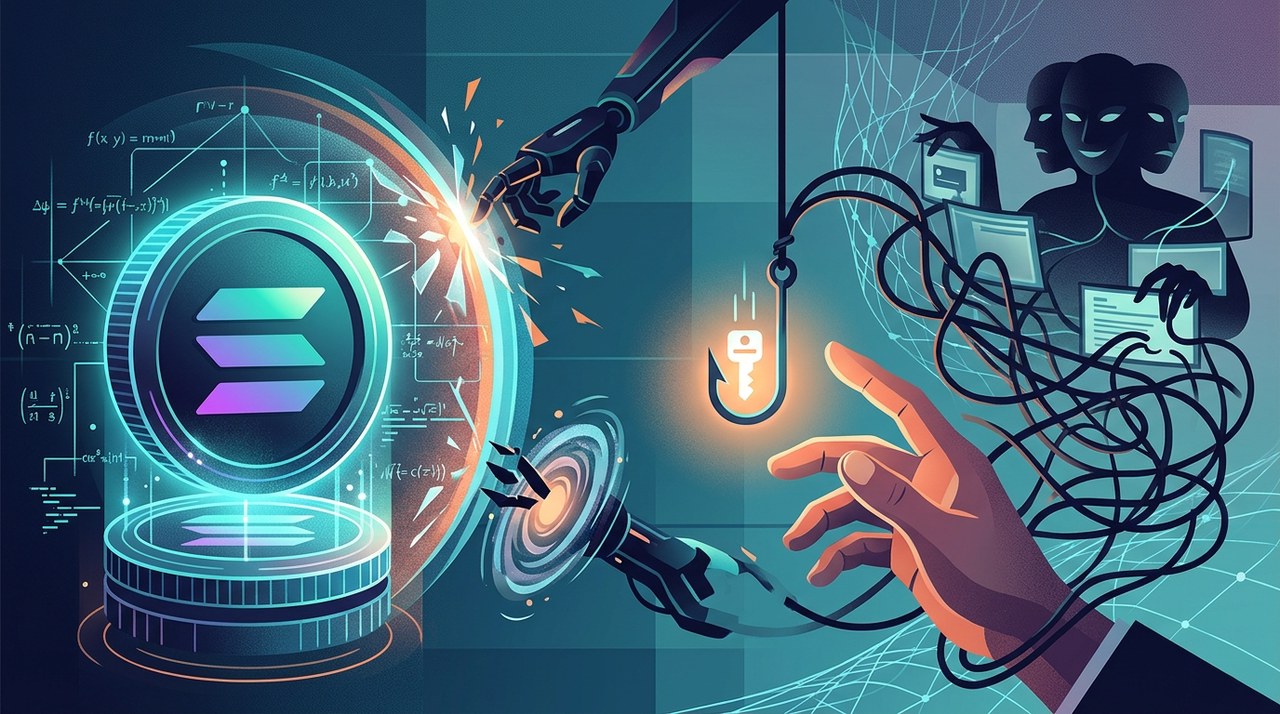
Have you ever worried about supercomputers breaking crypto encryption? SolanaSOL+1.38% co-founder Anatoly Yakovenko says you might be looking in the wrong direction.
Instead of futuristic artificial intelligence or quantum computers, Yakovenko points to something much simpler. He believes phishing and social engineering are the single biggest danger facing crypto today.
Phishing and social engineering is the biggest threat to crypto. Not AI breaking math or quantum computers.
Human Vulnerability Over Complex Code
Blockchain networks use cryptography that is virtually impossible to crack with current technology. Attackers know this fundamental truth very well.
Because breaking underlying mathematical security is so difficult, hackers target people instead. They focus on human emotion, trust, and curiosity to trick individuals into giving up private access.
Understanding Phishing and Social Engineering
To protect digital assets, it helps to understand how these malicious security threats operate in real life.
What Is Phishing?
Phishing occurs when scammers send malicious emails, build fake websites, or send deceptive direct messages. Their primary goal is tricking victims into revealing sensitive seed phrases or credentials.
For instance, an attacker might build a copycat version of a popular crypto wallet site. If users enter credentials there, attackers gain complete control over their funds.
What Is Social Engineering?
Social engineering is a broader term describing tactics that manipulate people into making security mistakes. Hackers build trust over time or manufacture fake emergencies to bypass defenses.
Rather than attacking security software directly, social engineering exploits human psychology. Scammers rely on fear, urgency, or curiosity to extract private information.
The Binance Incident: A Case Study in Manipulation
A major incident demonstrates how dangerous social engineering can be. On October 29, global exchange Binance suffered a major security breach involving roughly $6.34 billion in digital assets.
On November 3, Binance published details from its internal investigation. The report revealed that hackers used sophisticated social engineering rather than direct code exploits.
How the Binance Attack Unfolded
Hackers targeted a Binance software engineer through a fake job recruitment scheme. Pretending to represent a real firm, attackers led the employee through several fake job interviews.
Eventually, the employee was convinced to download a file presented as a standard technical assignment.
The downloaded file contained hidden malicious code. Once opened, it compromised the employee's computer completely.
Using compromised devices, stolen credentials, and an internal AI tool, hackers accessed internal wallet infrastructure. This allowed unauthorized crypto transfers directly from hot wallets.
Industry Data From the Security Alliance
These security threats extend beyond large corporate exchanges. Everyday individual crypto users face constant attacks as well.
On November 4, security group Security Alliance (SEAL) published data covering October 28 to November 3. Their team handled 99 separate security incidents in just seven days.
Fake Customer Support Scams Take a Heavy Toll
Three specific incidents involved fraudulent customer support calls. In those three cases alone, victims lost approximately $1.57 million and 1.12 BTCBTC+1.80%.
- In one case, fake Apple support representatives stole a victim's Apple ID credentials, accessing seed phrases saved in cloud storage.
- In another incident, a user revealed private wallet recovery phrases during a phone call with fake Telegram support staff.
- SEAL identified and tracked 5,137 phishing domains registered during that single week.
Anatoly Yakovenko's Advice for Securing Your Assets
To combat these ongoing threats, Anatoly Yakovenko shared practical steps that crypto holders can take to safeguard their assets.
He recommends using a dedicated iOS device with Apple's Lockdown Mode turned on specifically for crypto transactions.
In addition, Yakovenko suggests pairing hardware security measures with a multisignature (multisig) crypto wallet.
Why Dedicated Devices and Multisig Work
Multisignature wallets require approvals from multiple separate keys to sign a transaction. Even if a hacker compromises one device, they cannot move funds without remaining keys.
Apple's Lockdown Mode restricts complex web features and attachments, making spyware installation much harder. Yakovenko highlighted this setup as one of the most cost-effective protection strategies available.
Key Lessons for Every Crypto Investor
Maintaining strong security requires building healthy digital habits and remaining cautious of unverified requests.
- Never store unencrypted seed phrases or recovery keys in cloud backups or text files.
- Never share wallet recovery phrases with anyone, including customer support personnel.
- Double-check domain names and verify recruiters before downloading files or clicking links.
- Consider multi-signature key setups and clean, dedicated hardware for high-value transactions.
While blockchain security remains strong, individual awareness remains the primary defense against social engineering. Always practice careful risk management when handling digital assets.
Past performance of digital assets like Solana (SOL) is not an indicator of future performance. You can review historical performance and market trends at Bitkub Market.
Latest blog posts
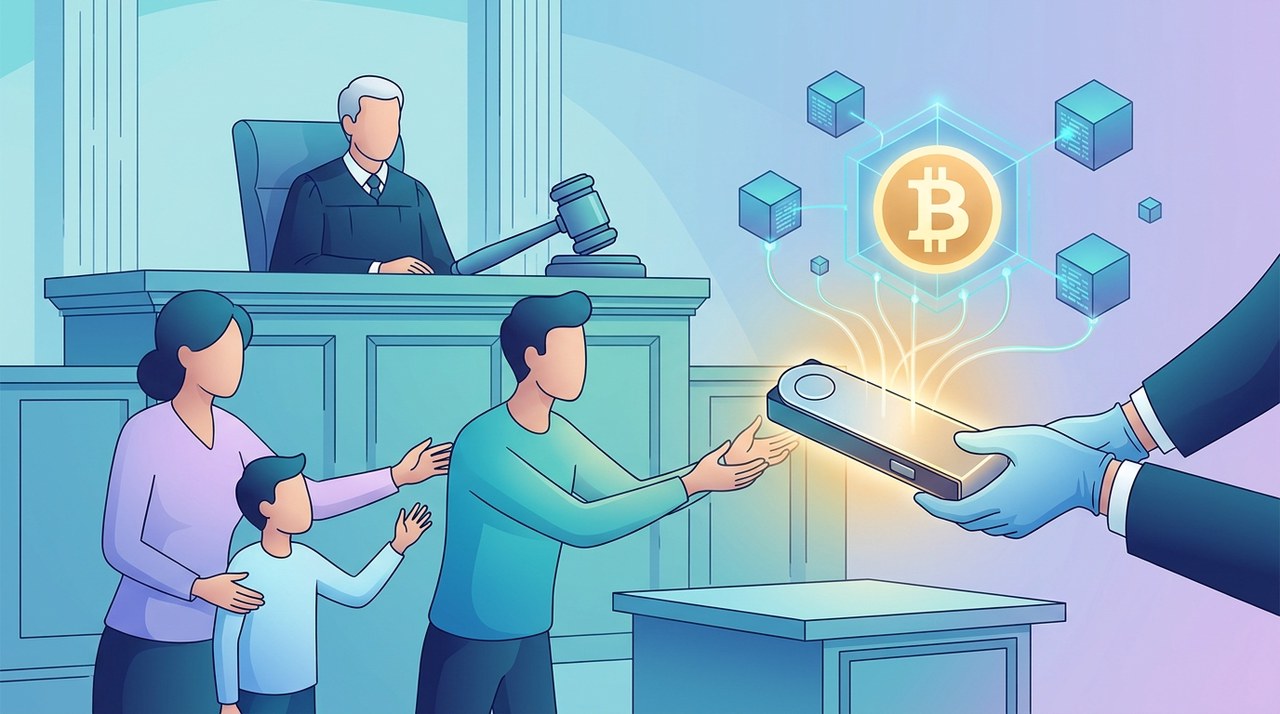
Judge Orders Bitcoin Wallet Returned to Convict's Family
A Canadian court has ordered a Bitcoin wallet returned to a family, as crypto prediction markets evaluate potential price targets.
|
Can We Mine Bitcoin in Space? Elon Musk's Big Idea
Elon Musk suggested placing data centers in space. While mining Bitcoin in orbit is technically possible, high launch costs make it impractical today.
|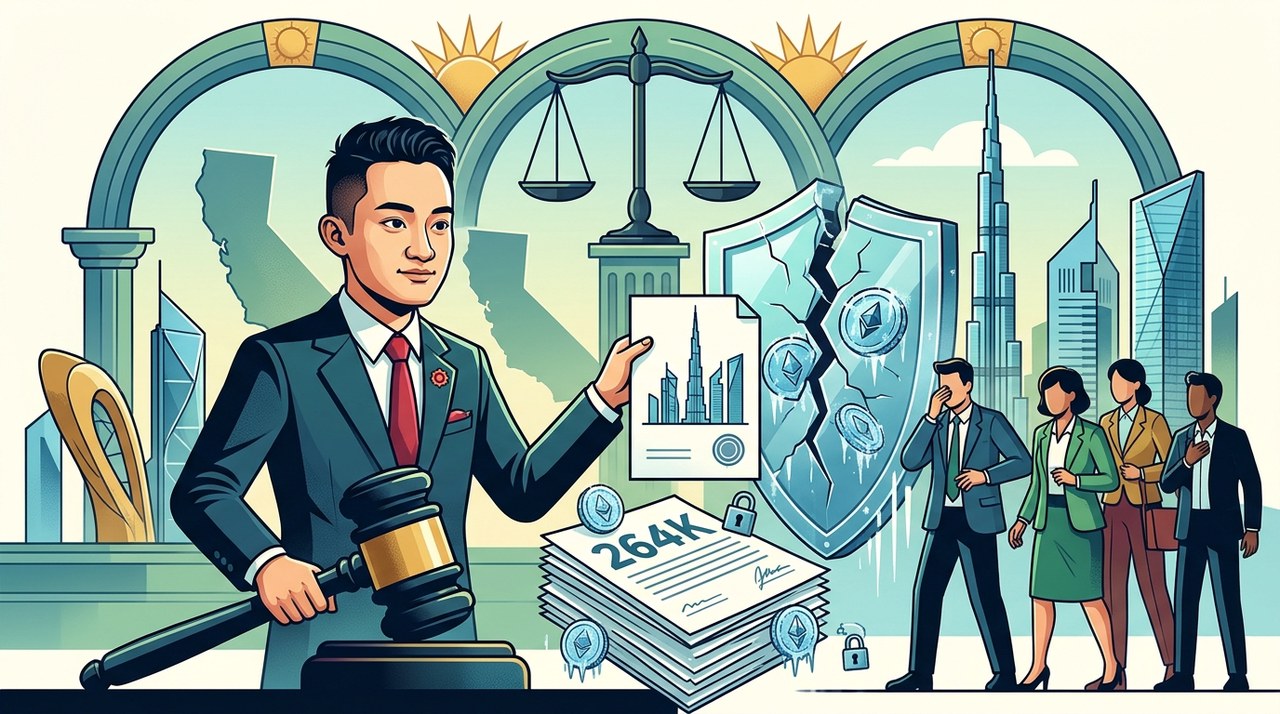
Justin Sun Seeks $264K Sanctions in World Liberty Dispute
Justin Sun plans to refile his token-freeze lawsuit in California state court after resolving a $264K sanctions motion against World Liberty.