


SHIB Exchange Supply Drops to 85 Trillion Tokens

Shiba InuSHIB+1.02% Exchange Reserves See Significant Outflows
Even with the broader crypto market facing strong selling pressure, Shiba Inu (SHIB) is showing an interesting trend behind the scenes.
According to reports by Caroline Amosun and data from crypto analytics platform CryptoQuant, exchange activity suggests buyers are actively stepping in.
As of October 31, 2026, the total number of SHIB tokens sitting across all centralized crypto exchanges dropped to roughly 85 trillion SHIB.
Think of exchange reserves like goods sitting on store shelves. When people buy items and move them home, fewer goods remain available for immediate sale.
Key Numbers Behind the SHIB Supply Shift
To get a clear picture of what is happening in the SHIB ecosystem, let us look at the specific figures from recent market data:
- Shrinking Exchange Reserve: Exchange balances fell to approximately 85 trillion SHIB on October 31, 2026.
- Multi-Day Decline: This represents a clear drop from the 87 trillion SHIB level recorded in previous days.
- 24-Hour Reserve Drop: Total exchange reserves fell by about 0.007% over a 24-hour period.
- Negative Netflow: SHIB recorded a negative exchange netflow of 61.36 billion SHIB on October 31, representing a 1% decline in netflow over 24 hours.
- Holder Count Decline: In contrast to exchange withdrawals, overall SHIB holder count dropped by 2,500 addresses amid ongoing market uncertainty.
What Does Negative Netflow Mean for Traders?
When a token experiences negative exchange netflow, it means more coins are leaving exchanges than entering them.
Traders usually transfer assets from exchanges to private cold wallets when they intend to store them for the longer term.
Analyst data indicates that if this buying trend continues, overall exchange reserves could slip further toward 84 trillion SHIB in the near future.
Market Context and Potential Price Scenarios
This supply drop comes during a wider market downturn where major assets like Bitcoin (BTCBTC+0.67%), EthereumETH+0.85%, XRPXRP+1.86%, and Binance Coin (BNBBNB+0.63%) have experienced high volatility.
Some traders wonder if shrinking supply on exchanges could help SHIB regain momentum and eventually remove a zero from its price.
If accumulation continues alongside a broader market recovery, reduced selling supply on exchanges could support potential price increases. However, if broader crypto market weakness persists or holder exits accelerate, SHIB could face continued price pressure regardless of supply drops.
Digital asset markets remain inherently volatile. Past performance of digital assets does not guarantee future results. Investors can review live price updates and historical trading pairs on Bitkub Market.
Latest blog posts

Ethereum's Glamsterdam Upgrade: Devs Address Smart Contract Risks
Core Ethereum developers are meeting Thursday to review the Glamsterdam upgrade after audits revealed potential compatibility issues for thousands of automated apps.
|
Avenia Secures $25 Million in Series A Extension
Stablecoin platform Avenia raised $25 million in a Series A extension led by Lightspeed Faction, bringing total funding to $44.6 million.
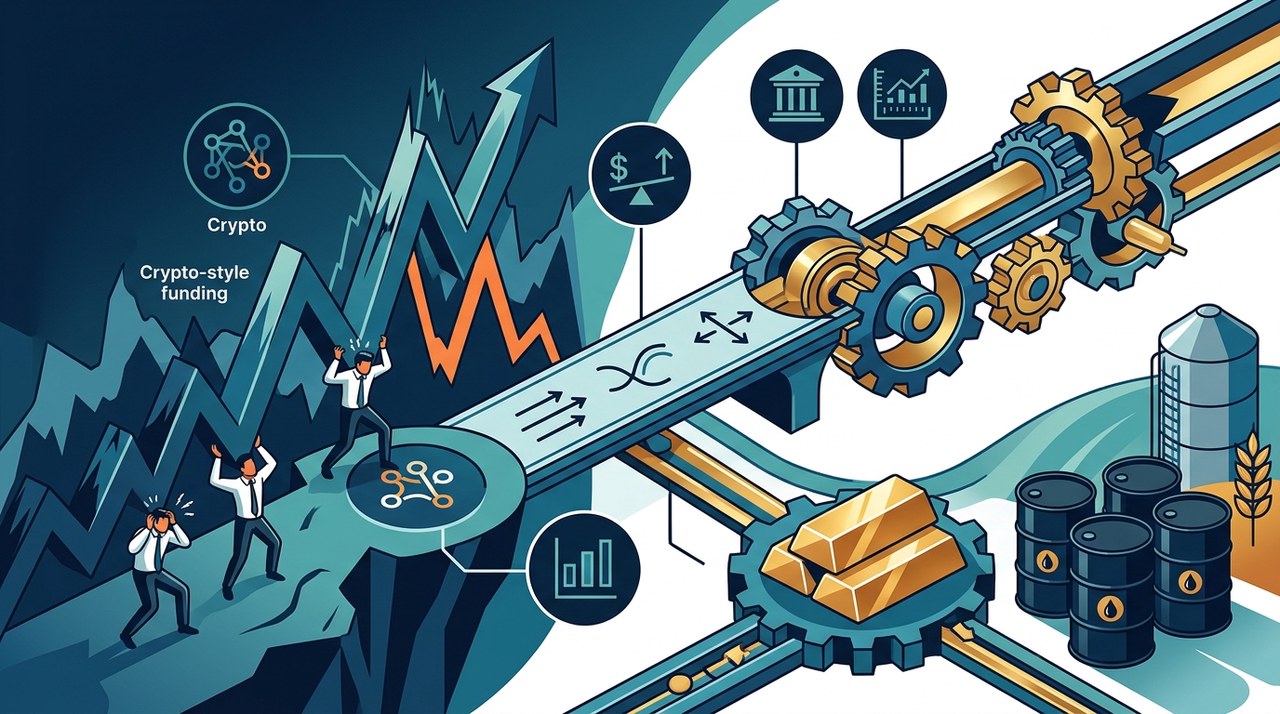

GRVT Launches Stable Funding Perps for Commodity Trading
GRVT has introduced Stable Funding Perps, linking commodity perpetual contract costs to traditional interest rates rather than volatile crypto funding fees.
|