
Ethereum's Glamsterdam Upgrade: Devs Address Smart Contract Risks
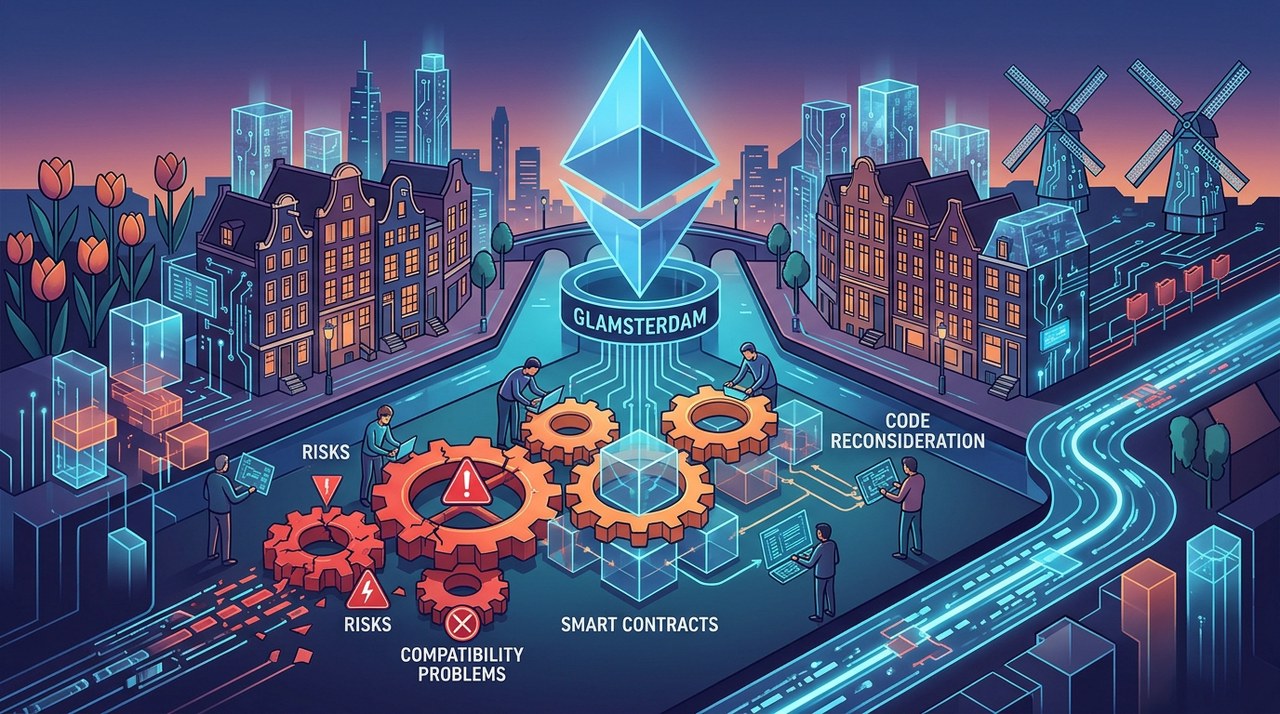
EthereumETH+0.74% Developers Reconsider Code Changes Ahead of Upgrade
The Ethereum network is constantly evolving to improve performance, security, and scalability. However, updating a global blockchain requires extreme caution to avoid breaking existing applications.
Core Ethereum developers are set to meet this Thursday to reconsider planned technical changes in the upcoming Glamsterdam upgrade. The decision comes after independent code audits flagged severe compatibility issues that could impact up to 15,000 automated applications across the network.
What is the Glamsterdam Upgrade?
Think of an Ethereum upgrade like a major operating system update on your smartphone. When a new system update is released, it introduces useful features and performance improvements.
However, if older apps installed on your phone are not adjusted for the new rules, they might crash or glitch. In the blockchain world, a hard fork or network upgrade changes underlying execution rules, which can alter how smart contracts process data.
Audits Reveal Hundreds of Compatibility Problems
Before pushing major updates to the main network, developers run extensive testing and order independent security audits. These reviews simulate how existing decentralized applications (dApps) will behave under the new environment.
Recent independent audits uncovered hundreds of separate compatibility problems within the proposed Glamsterdam code. The issues primarily affect automated smart contracts—programs that execute tasks automatically without human intervention.
- Potential Disruption: Broader estimates show that up to 15,000 automated apps could fail or behave unpredictably if the code goes live as initially designed.
- Smart Contract Failures: Automated scripts used for trading bots, liquidation protocols, and scheduled payments rely on predictable execution logic that could be broken.
- Developer Effort Needed: If changes remain unadjusted, developers would need to urgently rewrite and redeploy their contracts to avoid failures.
Why Thursday's Core Developer Meeting Matters
Catching software conflicts early is standard procedure for open-source developments like Ethereum. Because auditors identified these errors during early evaluation stages, the core development team has time to react.
On Thursday, core developers will hold their scheduled technical discussion to re-evaluate the proposed changes. They will decide whether to patch the code, delay certain features, or provide alternative compatibility pathways for dApp creators.
Identifying technical bugs in audit stages helps protect the network ecosystem from downtime and maintains user trust.
The Role of Automated Apps in Decentralized Ecosystems
Automated applications play an essential role in decentralized finance (DeFi). They perform continuous tasks like balancing liquidity pools, managing algorithmic stablecoins, and executing automated yield strategies.
If thousands of automated contracts stop functioning simultaneously, it could lead to temporary liquidity freezes or unexpected financial losses for protocol users. This makes backward compatibility a top priority for developers.
What Should Users and Developers Do Next?
If you are an everyday crypto user, there is no immediate action required. However, staying informed helps you navigate potential protocol updates smoothly.
- Developers: Keep track of official core developer notes and check if your smart contracts rely on affected opcode behaviors.
- DeFi Participants: Follow updates from protocol teams to learn if maintenance windows or contract upgrades will occur.
- Investors: Be aware that technical developments can influence short-term market sentiment around native assets like ETH.
Managing Technical Risks in Digital Assets
Upgrading a live, decentralized blockchain holding substantial digital wealth requires rigorous safety precautions. While software updates aim to deliver long-term efficiency, technical changes carry temporary implementation risks.
Investors and participants should always consider technical complexity alongside general market risks when participating in the crypto asset space.
Past performance of digital assets or prior software upgrades does not guarantee future results. Crypto assets remain subject to high market volatility.
Latest blog posts

Avenia Secures $25 Million in Series A Extension
Stablecoin platform Avenia raised $25 million in a Series A extension led by Lightspeed Faction, bringing total funding to $44.6 million.
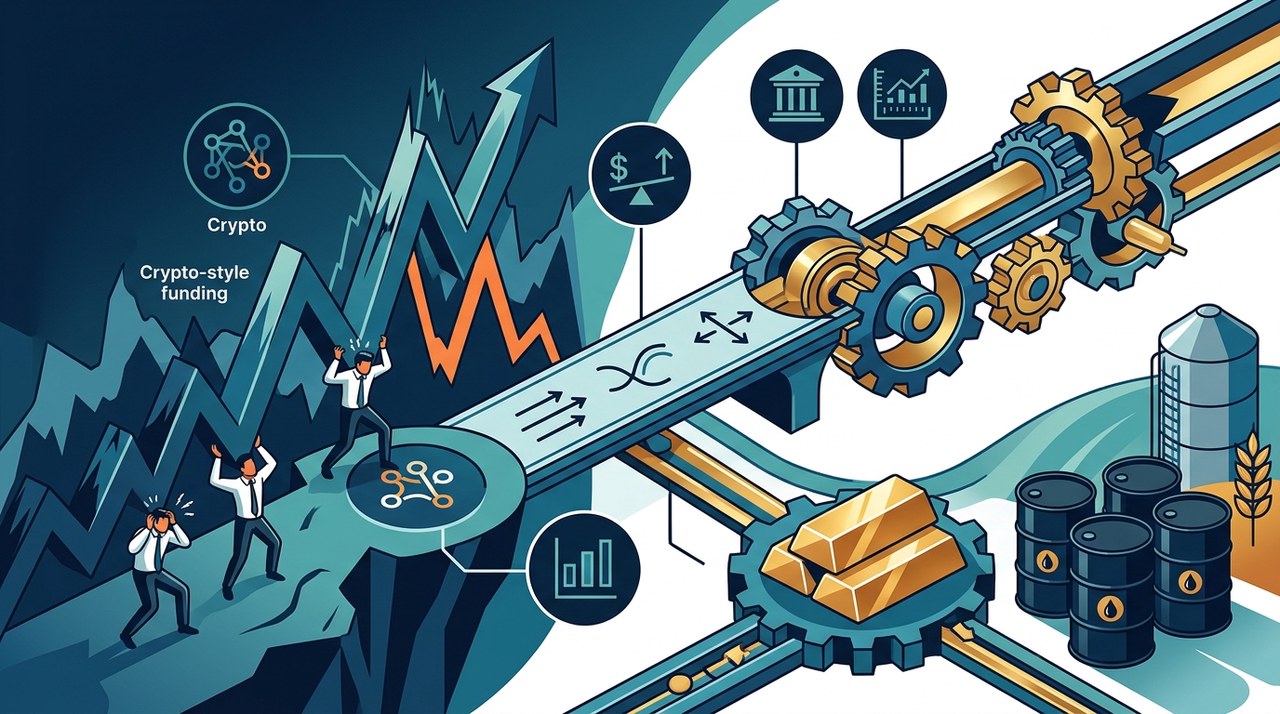

GRVT Launches Stable Funding Perps for Commodity Trading
GRVT has introduced Stable Funding Perps, linking commodity perpetual contract costs to traditional interest rates rather than volatile crypto funding fees.
|


Dogecoin ETFs Freeze as Mid-Tier Holders Buy the Dip
US Dogecoin ETFs saw zero net inflows for weeks, but on-chain data shows mid-sized crypto wallets accumulated millions of dollars in DOGE.
|