
Satoshi Nakamoto's Forgotten 2009 Forum Sparks New Mystery
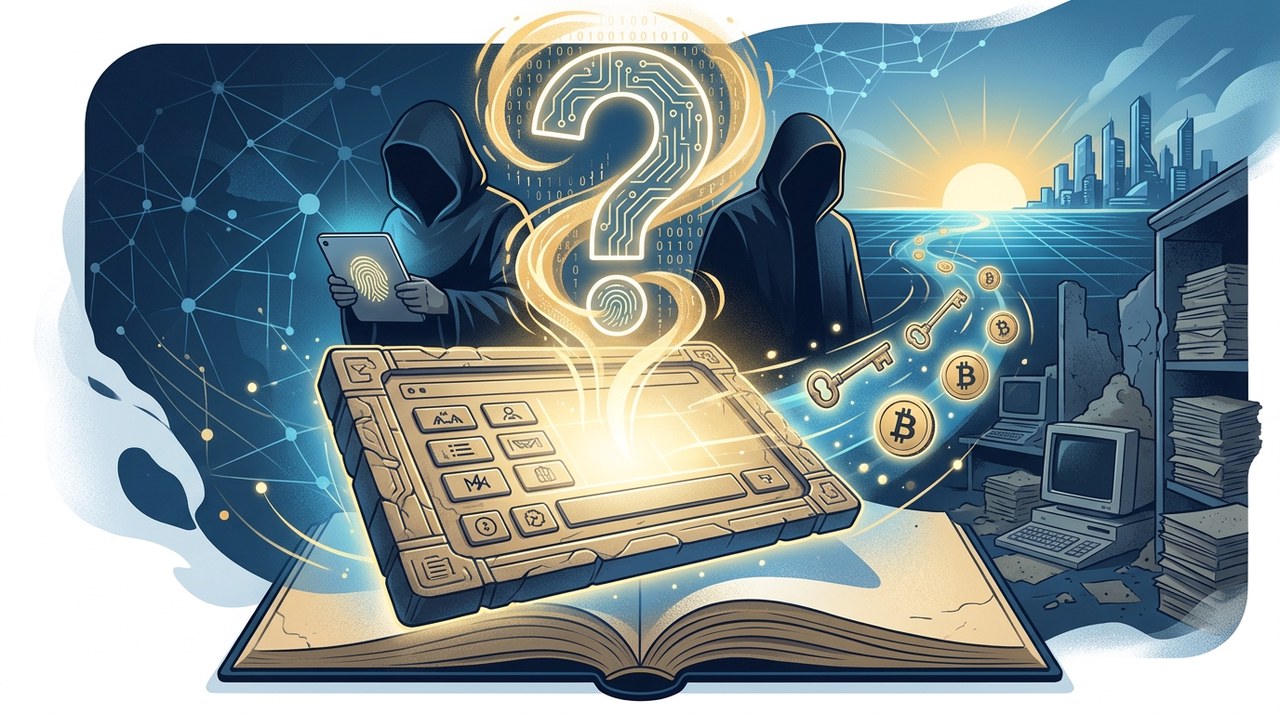
A Digital Time Capsule from BitcoinBTC-2.09%'s Earliest Days
Imagine walking down a quiet side street in your hometown and stumbling upon a forgotten coffee shop where the blueprints for a global financial revolution were first sketched out.
That is essentially what happened recently in the cryptocurrency world. Just weeks after the landmark Bitcoin whitepaper reached its 18-year milestone, crypto enthusiasts discovered a forgotten online forum created by Satoshi Nakamoto back in 2009.
The discovery has reignited lively debates across social media, especially after crypto researcher Sean Murray shared an archived snapshot of the message board on X (formerly Twitter). The snapshot reveals fascinating details about Bitcoin's earliest community, including a mystery login that occurred years after Satoshi disappeared.
Inside the Forgotten ZetaBoards Forum
To understand why this discovery is so intriguing, we have to travel back to late 2009. At the time, Bitcoin was barely a year old. Satoshi Nakamoto had published the groundbreaking whitepaper on October 31, 2008, and was actively searching for a digital home where the tiny, growing community could share ideas.
In November 2009, Satoshi decided to set up a free message board on a platform called ZetaBoards, naming the board simply Bitcoin.
- Platform Choice: ZetaBoards was a free, popular service that allowed anyone to build an online community quickly.
- Short Lifespan: Satoshi used this forum for only a few days before launching a permanent forum directly on bitcoin.org.
- The Evolution: That bitcoin.org forum eventually evolved into BitcoinTalk, which became the central meeting place for early cryptocurrency pioneers.
Because the community moved so quickly to bitcoin.org, the original ZetaBoards forum was largely forgotten. It remained sitting silently on the web until the Internet Archive's Wayback Machine captured a detailed snapshot of it in June 2018.
The Three Mystery Admin Accounts
When researchers inspected the June 2018 snapshot of Satoshi's ZetaBoards forum, they found something remarkable. The entire forum had only three registered members, and every single one held administrator privileges.
- The 'satoshi' Account: Registered on November 13, 2009. Satoshi posted five messages on the board and was last active on November 21, 2009.
- The 'sirius-m' Account: Registered on November 15, 2009. This account never posted any public messages.
- The 'admin' Account: Registered on November 14, 2009. Surprisingly, the record shows this account last logged in on June 17, 2014.
That 2014 login date immediately raised eyebrows across the crypto space. Satoshi Nakamoto famously stepped away from the Bitcoin project in early 2011, promising he had moved on to other things. So who could have accessed the admin panel in mid-2014?
The Email Clue: Who Logged in back in 2014?
Sean Murray helped piece together part of the puzzle by sharing a historical email dated November 14, 2009. The email was sent directly by Satoshi Nakamoto to Martti Malmi, one of Bitcoin's earliest and most vital core developers.
In the email, Satoshi explained that an older hosting service (InvisionFree) was migrating to ZetaBoards. Satoshi informed Malmi that he had set up the new board and explicitly shared the master 'admin' login username and password so Malmi could assist with administration.
The timeline connects perfectly. The generic 'admin' account was created on November 14, 2009 — the exact same day Satoshi sent that email to Malmi. Furthermore, Malmi had long used the online pseudonym sirius-m across early crypto communities.
However, because both Satoshi Nakamoto and Martti Malmi (and potentially others) possessed the administrative password, it remains impossible to prove conclusively who logged into the forgotten account on June 17, 2014.
Unraveling the Broader Satoshi Legend
This small forum clue is part of a much larger global detective story. Years after publishing the original paper, the true identity of Bitcoin's creator remains one of the greatest secrets of the modern digital age.
Over the past decade and a half, numerous theories have emerged regarding who Satoshi might be:
- The Early Cypherpunks: Prominent cryptographers such as Hal Finney, Nick Szabo, and Adam Back have frequently been suggested as candidates due to their pioneering work in digital cash.
- The 2024 HBO Documentary: In late 2024, the HBO documentary Money Electric claimed developer Peter Todd was Satoshi, a assertion that Todd strongly denied.
- Legal Rulings: Also in 2024, a United Kingdom court formally ruled that Australian computer scientist Craig Wright is not Satoshi Nakamoto.
- The Hidden Pseudonyms Theory: Early Bitcoin entrepreneur Charlie Shrem recently claimed that researchers traced Satoshi through several fictional names. According to Shrem, Satoshi never actually left the community but continued participating under different online identities, though the researchers have no plans to reveal his real-world identity.
Why Historical Footprints Matter Today
For newcomers and experienced investors alike, studying these early artifacts offers valuable insight into the foundational philosophy of decentralized digital assets. Satoshi's deliberate decision to remain anonymous ensures that Bitcoin operates as an open-source protocol rather than a company led by a single founder.
While exploring the history of cryptocurrency is endlessly entertaining, readers should remember that digital asset markets are inherently volatile. Past performance of digital assets or past operational milestones do not guarantee future results. Investors who wish to analyze current market movements can check real-time trading statistics on Bitkub Market.
Latest blog posts

Wall Street Buys AI Protection Stocks as Threat Concerns Rise
Wall Street is shifting focus toward cybersecurity stocks amid growing AI risks, while the crypto world faces its own security debates.
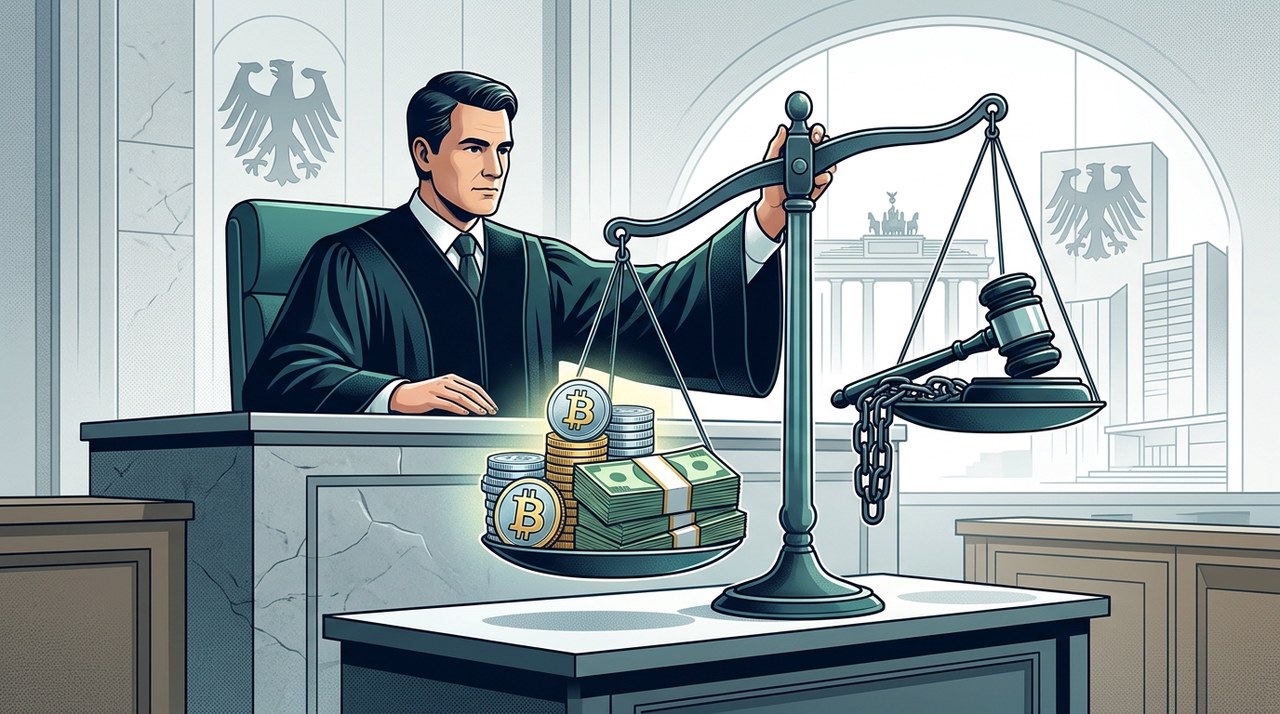
German Court Offers $2.5B Bitcoin Settlement in Movie2K Case
A German judge has proposed dropping criminal charges against a Movie2K operator in exchange for 40,000 Bitcoin and $41.67 million in compensation.
|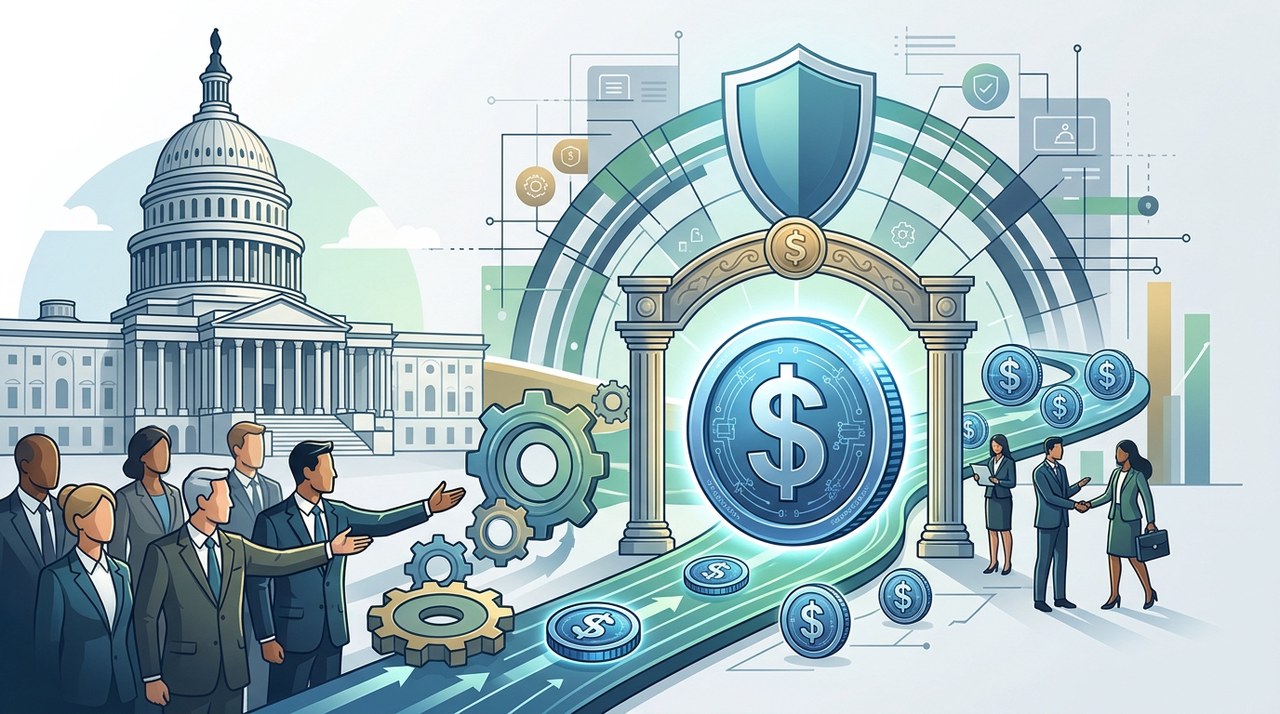
US Senators Push Treasury for Fair Stablecoin Rules
U.S. Senators are pressing Treasury Secretary Scott Bessent to provide a safe harbor for state-regulated stablecoin issuers under the GENIUS Act.