Russia Prepares Regulated Crypto Trading Amid Sanctions Risk
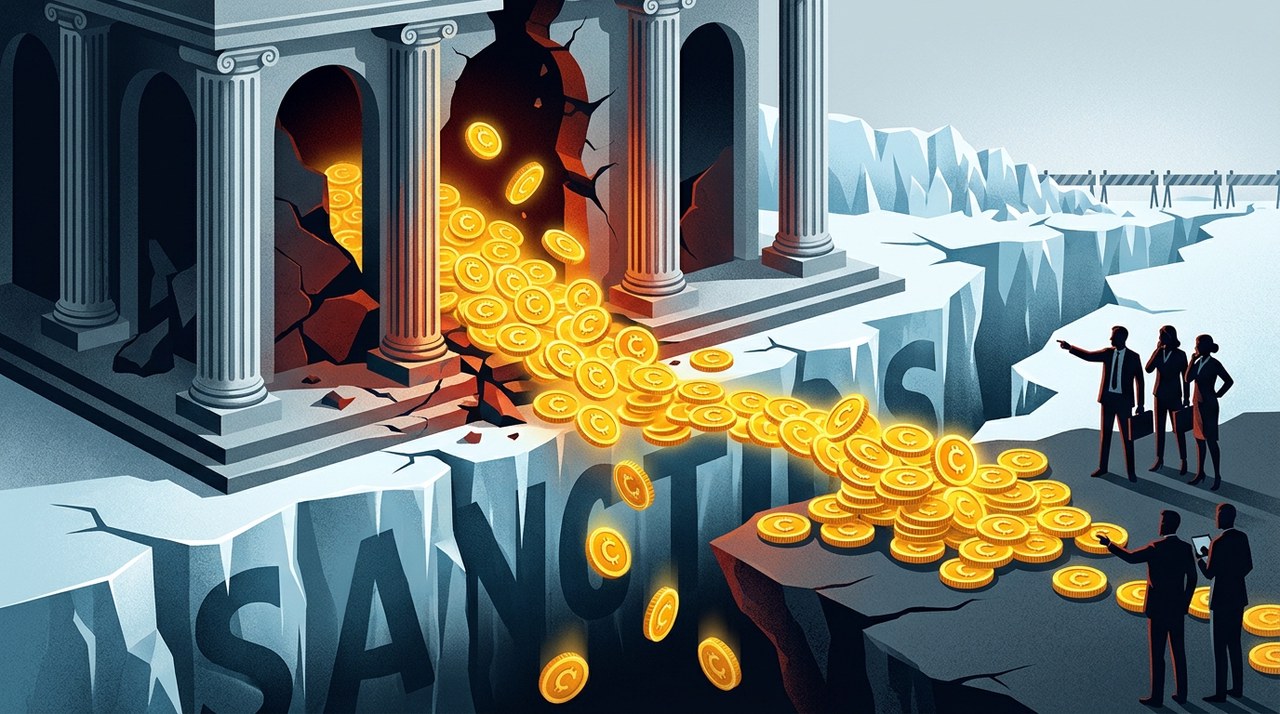
Russia Steps Into Regulated Crypto Trading
Imagine launching a brand-new financial service, but half the world is watching to see if using it will get you penalized. That is the exact dilemma currently facing Russia's financial sector.
The Moscow Exchange, Russia's primary financial market operator, is gearing up to launch regulated cryptocurrency trading in December. This upcoming launch marks a major strategic shift in how the country manages digital assets.
However, the planned rollout is shadowed by significant uncertainty. Local companies and financial institutions are carefully evaluating their exposure to international sanctions before deciding whether to take part in the new platform.
Why Are Companies Worried About Sanctions?
The primary concern for Russian businesses centers on secondary sanctions. These are international penalties aimed at entities that conduct business with sanctioned nations or organizations.
Many domestic firms worry that interacting with digital assets on a centralized Russian exchange could raise compliance flags globally. If foreign regulators flag a firm for trading on these venues, that firm risks losing access to global banking networks and international counterparties.
While clear domestic rules provide legal certainty at home, global compliance requirements create a delicate balancing act for institutional participants.
The Regulatory Push Behind the December Rollout
Russia's official stance on digital currencies has evolved significantly over recent years. Earlier proposals from financial authorities favored complete bans due to concerns over monetary stability.
However, changing economic realities prompted lawmakers to establish a framework for controlled digital asset usage. Recent legal updates allow for experimental regulatory regimes designed to test exchange operations and cross-border trade settlements.
- Cross-Border Trade: Facilitating international business payments through digital tokens.
- Supervised Exchanges: Moving trading activities to regulated venues like the Moscow Exchange.
- Experimental Frameworks: Testing regulatory controls within controlled financial environments.
Broader Market Dynamics and Risk Factors
Establishing regulated crypto trading on a major national exchange could alter cross-border payment strategies. However, market observers point out several key considerations:
- Liquidity Isolation: Domestic trading pools may remain disconnected from global market liquidity due to compliance restrictions.
- Market Volatility: Digital asset markets experience rapid price fluctuations, which can impact trade settlement values.
- Compliance Barriers: Overseas partners may remain cautious about accepting crypto assets originating from regulated domestic venues.
Past performance of digital assets or financial platforms does not guarantee future results. Market participants should carefully assess geopolitical developments, market liquidity, and regulatory conditions when evaluating global crypto movements.
Looking Ahead to the December Launch
As December approaches, market participants will be closely watching how the Moscow Exchange structures its compliance and trading systems.
Whether local firms participate active or remain cautious will depend on their risk appetite regarding international scrutiny. For now, the planned launch represents a key milestone in Russia's effort to integrate digital assets into its financial system under complex geopolitical conditions.
Latest blog posts



CoinShares Sells Treasury ETH and Cuts SOL Holdings for Buybacks
European digital asset manager CoinShares sold all its treasury Ethereum and halved its Solana holdings in October to raise $19.3 million for share buybacks.
|


XRP Briefly Touches $1 Matching Ripple's RLUSD Stablecoin
XRP briefly reached $1 on November 18, matching Ripple USD after a 12% rebound, while institutional updates and ETF flows showed mixed signals.
|

Top Holders Move 6 Billion SHIB: What It Means for Traders
Major Shiba Inu holders transferred over 6 billion tokens to exchanges, but the broader market reaction remains muted as retail metrics stay neutral.
|