


Ripple CEO Clarifies XRP vs RLUSD Debate
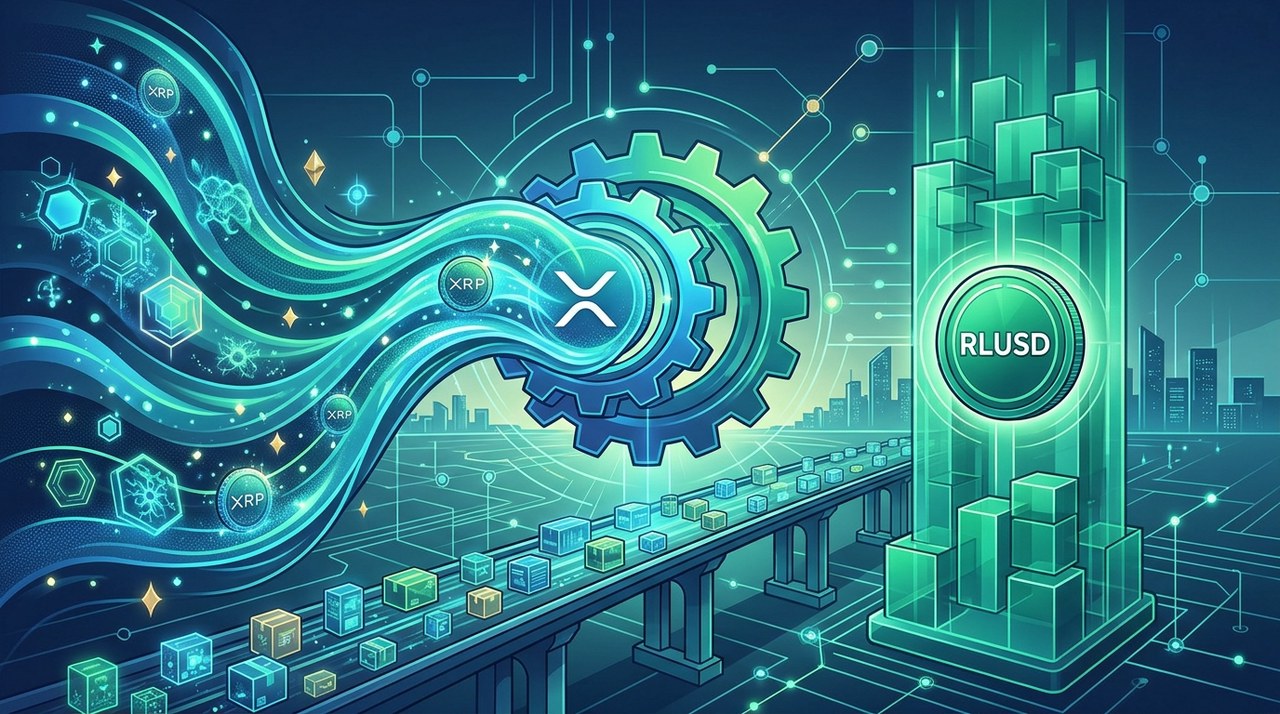
RippleXRP+3.03% Chief Executive Officer Brad Garlinghouse recently addressed growing community questions regarding the company's expanding focus on its stablecoin, RLUSD. He clarified that RLUSD and XRP are designed to work together as complementary assets rather than competing products.
The discussion arose after some XRP holders expressed concern that Ripple's venture into the stablecoin market might reduce future demand for XRP. Garlinghouse aimed to clear up these concerns directly.
Garlinghouse Responds to Community Analysis
On November 3, Garlinghouse publicly responded to a comprehensive post on X by a prominent XRP Ledger community member known as Vet. In the post, Vet outlined the distinct roles that both assets serve across the ecosystem.
Well said, Vet. Complementary, not competitive.
This public endorsement comes shortly after Garlinghouse made similar comments at Ripple's Swell conference in New York on October 28. At that event, he firmly addressed rumors about Ripple shifting away from its core cryptocurrency.
We will never give up on XRP.
Comparing XRP and RLUSD Key Differences
To understand how the two assets fit into Ripple's ecosystem, it helps to examine their specific technical functions and use cases:
- Mandatory Network Role: XRP is the native currency of the XRP Ledger. Holding an XRP reserve is mandatory for every account, and all network transaction fees must be paid in XRP.
- Price Stability: RLUSD is a dollar-backed stablecoin issued by Ripple's regulated stablecoin business. Its value is designed to remain steady at approximately $1.00.
- Asset Control: Ripple maintains technical mechanisms to freeze RLUSD under specific conditions, such as fulfilling regulatory requirements. Conversely, no central entity can freeze native XRP tokens on the decentralized ledger.
- DEX Auto-Bridging: XRP holds a special role within the XRP Ledger's built-in decentralized exchange. The network automatically routes trades through XRP whenever it provides a better exchange rate, making it a valuable intermediary asset for market makers.
- Multi-Chain Infrastructure: RLUSD is not confined solely to the XRP Ledger. It is also deployed on EthereumETH+2.16% and other supported networks, allowing it to serve broader decentralized finance ecosystems.
Evaluating Community Perspectives and Market Factors
Despite leadership reassurance, some investors continue to weigh how direct stablecoin transfers might alter demand for traditional bridge assets. For instance, businesses seeking fixed-value transactions for payroll, corporate payments, and invoicing may prefer stablecoins like RLUSD to avoid price fluctuation risks.
At the same time, transactions using RLUSD on the XRP Ledger still rely on XRP to pay underlying network fees. However, increased network activity alone does not guarantee token price appreciation.
Market valuations for digital assets depend on broader supply and demand trends, liquidity conditions, and market sentiment. Investors should assess market dynamics carefully, remembering that past performance of digital assets is not an indicator of future results. You can track asset performance on Bitkub Market.
Latest blog posts
CFTC Opens Door for Stock Perpetual Futures in the US
US regulators are allowing stock-based perpetual futures on regulated exchanges, bringing a popular crypto trading tool directly into traditional financial markets.



Tether Holds 150,000 Bitcoin Worth $11.5B, CEO Discloses
Tether CEO Paolo Ardoino revealed the firm holds about 150,000 Bitcoin, which is significantly more than shown in recent official reserve reports.
|
GitBook Security Incident: Urges Users to Rotate Keys
Documentation platform GitBook reported a security breach involving AI agents, advising crypto teams to rotate access keys promptly.