GitBook Security Incident: Urges Users to Rotate Keys
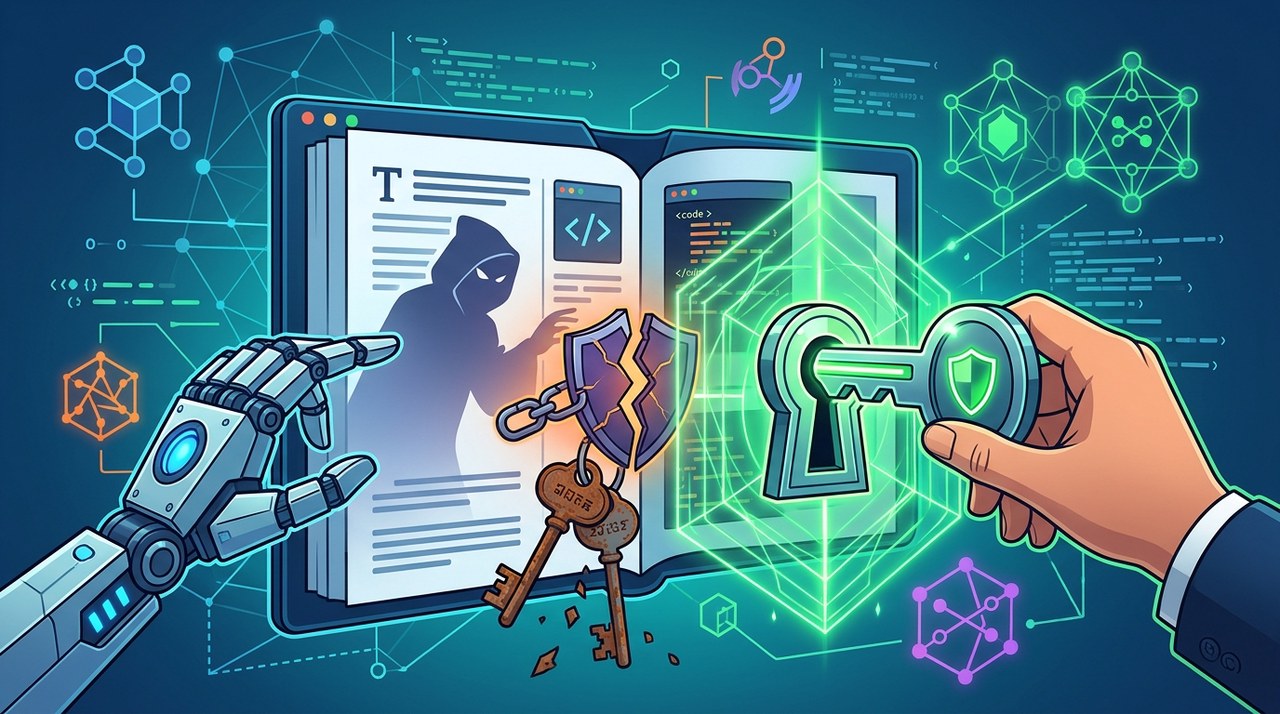
GitBook Reports Security Breach Involving AI Agents
Documentation hosting platform GitBook recently disclosed a security breach tied to AI agents. Following the incident, the service advised crypto projects and development teams using its infrastructure to rotate their security keys immediately.
GitBook is widely used across the Web3 ecosystem. Hundreds of blockchain protocols, decentralized finance platforms, and software projects rely on GitBook to publish developer docs, user guides, and whitepapers.
What Happened During the Breach?
Modern software platforms frequently integrate automated AI agents to manage repository updates and structure documentation. Attackers exploited vulnerabilities linked to these automated AI workflows, potentially gaining unauthorized access to internal tokens and credentials.
While GitBook addressed the breach, security experts recommend treating all legacy credentials tied to the platform as potentially exposed until updated.
Understanding Key Rotation and Security Steps
An API key or secret token acts like a specialized password that allows applications to communicate securely. Rotating a key means revoking the old credential and generating a fresh one, preventing attackers from using stolen data.
Recommended Action Items for Crypto Teams
- Revoke all existing API keys and access tokens connected to GitBook.
- Generate new credentials within administrative dashboards.
- Update internal integration pipelines with the fresh tokens.
- Audit administrative access logs for unauthorized changes or edits.
- Enforce Multi-Factor Authentication (MFA) across all developer accounts.
Why Documentation Security Matters in Web3
In the cryptocurrency industry, documentation sites are frequent targets for malicious actors. If bad actors gain editing access to project documentation, they can insert phishing links designed to drain user wallets.
Maintaining robust security protocols across third-party documentation tools is essential to safeguard both project infrastructure and end-user funds. Past performance of any system or security architecture is not a guarantee of future operational safety.
Latest blog posts

US Midterms: Prediction Markets Favor Democrats in Key Races
Prediction markets Kalshi and Polymarket show a 75% chance of a Democratic sweep, just days after misjudging Brazil's presidential runoff.

CFTC Approves Crypto-Style Perpetual Futures for Stocks
CFTC Chairman Michael Selig announced that equity perpetual futures can now trade on CFTC-registered exchanges, bringing crypto-style derivative products to traditional stock markets.



CFTC Approves Equity Perpetual Futures in Historic US Move
The CFTC has officially cleared perpetual futures for individual stocks, bringing a crypto-style trading tool to regulated U.S. stock exchanges.
|