
Paraguay Shifts Power From Bitcoin Mining to AI
The Energy Shift: BitcoinBTC-3.94% Miners Face a Deadline in Paraguay
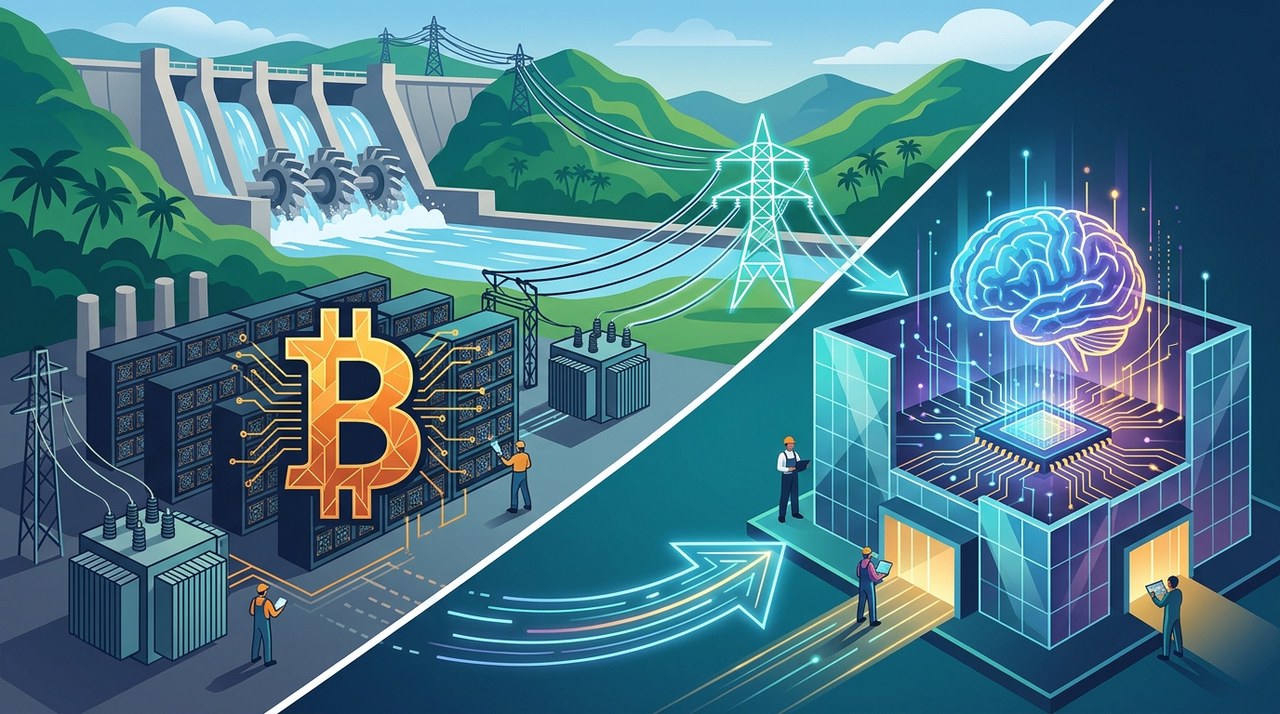
Over the past few years, Paraguay became one of the top locations in South America for Bitcoin mining. Thanks to abundant hydroelectric power, large industrial facilities set up shop across the country to run thousands of specialized computers around the clock.
These operations currently generate roughly $350 million every year for Paraguay's state power company. They also account for about 4% of the entire global Bitcoin network's total computing power.
However, that era is coming to an end. The national utility company confirmed that existing low-cost energy contracts will expire on December 31, 2027. Instead of extending these deals, Paraguay is redirecting its massive energy reserves toward artificial intelligence data centers.
Breaking Down the Numbers Behind Paraguay's Mining Sector
To understand why this change is significant, it helps to look at the core figures shaping the region's energy agreement with crypto miners:
- $350 million per year: The total revenue paid by Bitcoin mining companies to purchase grid power in Paraguay.
- 4% of global hash rate: The portion of total computational power securing the Bitcoin network located inside Paraguay.
- $44 per megawatt-hour (MWh): The locked-in electricity rate enjoyed by miners under current long-term contracts.
- December 31, 2027: The firm expiration date set by the state power authority for these agreements.
In Bitcoin mining, electricity is by far the largest ongoing operational expense. Access to stable energy at $44 per megawatt-hour gave operators in Paraguay a clear competitive edge compared to miners in regions with higher power tariffs.
What Is Hash Rate and Why Does 4% Matter?
If you are new to the crypto space, terms like hash rate can sound technical. In plain language, hash rate refers to the total combined computing horsepower being used to secure the Bitcoin network and process transactions.
Think of Bitcoin mining like a global digital puzzle competition. Specialized computers race to solve complex mathematical problems to earn newly created bitcoins and transaction fees. The more computing power a miner connects to the network, the higher their overall output potential.
When a single country hosts 4% of the global hash rate, it represents a meaningful portion of the worldwide hardware infrastructure. If that supply of power stops, those computers must eventually relocate or shut down.
The 2027 Expiration Date: No Extensions Granted
Paraguay's state-owned electric utility, ANDE (Administración Nacional de Electricidad), has stated that the December 31, 2027 expiration date is final. The utility does not plan to renew these existing miner contracts under the current framework.
Historically, Paraguay generated significantly more electricity than its domestic population consumed. The massive Itaipu Dam on the Paraná River produces vast amounts of renewable hydroelectric power. Selling excess electricity to Bitcoin miners offered the state utility a quick way to convert surplus energy into cash flow.
However, national priorities are shifting. State authorities now see greater long-term economic potential in allocating energy to high-performance computing and artificial intelligence infrastructure.
Artificial Intelligence Takes the Spotlight
Rather than renewing agreements with crypto miners, Paraguay's state utility has recently signed a 15-year contract to power a brand-new artificial intelligence data center campus.
This major AI project has financial backing from Founders Fund, the high-profile venture capital firm co-founded by billionaire investor Peter Thiel. The 15-year agreement signals a long-term commitment to hosting AI computing power over traditional crypto operations.
Why Utilities Prefer AI Data Centers Over Bitcoin Mining
Power grid operators around the world are increasingly prioritizing AI facilities over Bitcoin mining farms. Several key economic factors explain this trend:
- Longer Contract Terms: AI operators routinely sign 10- to 15-year power purchase agreements, offering energy producers highly predictable long-term revenue.
- Economic Infrastructure: AI data centers often require significant local investments in high-speed fiber optics, power substations, and local tech jobs.
- Higher Willingness to Pay: AI businesses usually generate higher revenue per unit of computing power, allowing them to absorb higher energy costs than price-sensitive crypto miners.
- Permanent Capital Investment: While Bitcoin mining rigs can be packed into shipping containers and moved quickly, major AI data centers build permanent facilities.
Where Will Displaced Bitcoin Miners Go?
With the 2027 deadline approaching, mining firms operating in Paraguay will need to explore alternative regions for their hardware. Relocating thousands of computational units involves significant logistics and planning.
When choosing new locations, mining companies typically seek out four main features:
- Low Energy Prices: Finding available power at tariffs near or below $40–$50 per MWh.
- Clear Regulatory Rules: Operating in jurisdictions with stable local laws regarding digital asset infrastructure.
- Cooler Climates: Cold weather reduces the electricity needed to cool down running hardware.
- Surplus Power Supply: Locating power grids with excess capacity to avoid strain on residential electricity users.
Potential destinations for migrating hardware include parts of North America, select locations in the Middle East, and emerging power markets in Africa.
What This Means for the Bitcoin Network
For regular crypto holders and users, shifts in physical mining locations do not disrupt normal network operations.
The Bitcoin network is designed with an automatic self-correcting feature called mining difficulty adjustment. Roughly every two weeks, the network adjusts how hard it is to solve transaction blocks based on how much total computing power is online.
If machines in Paraguay disconnect in 2027, the network will automatically adjust its difficulty downward to keep transaction processing steady. Once those machines plug back in elsewhere, the total hash rate recovers naturally.
The Global Energy Competition
The situation in Paraguay reflects a broader global trend. As artificial intelligence models scale up, tech companies are seeking massive quantities of electrical power worldwide.
The competition for clean energy is no longer just between traditional industries. It has expanded into a direct race between digital asset networks and artificial intelligence data hubs.
Bitcoin miners were among the early pioneers in monetizing remote hydroelectric power. As 2027 approaches, they face expanding competition from AI infrastructure providers willing to sign multi-decade power deals.
Latest blog posts
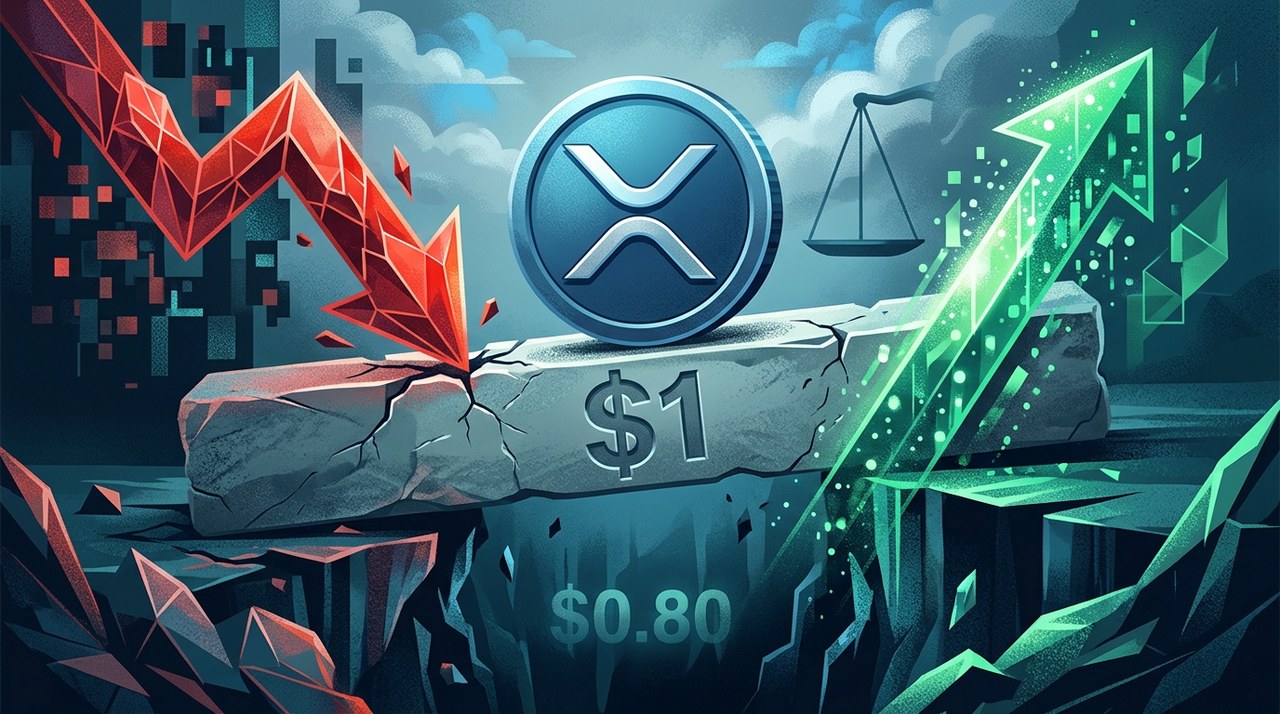

XRP Tests Crucial $1 Support: Is a Rebound or Drop Ahead?
XRP traded near $1.03 after a 15% weekly decline. We examine key support levels at $0.99 and potential recovery targets.
|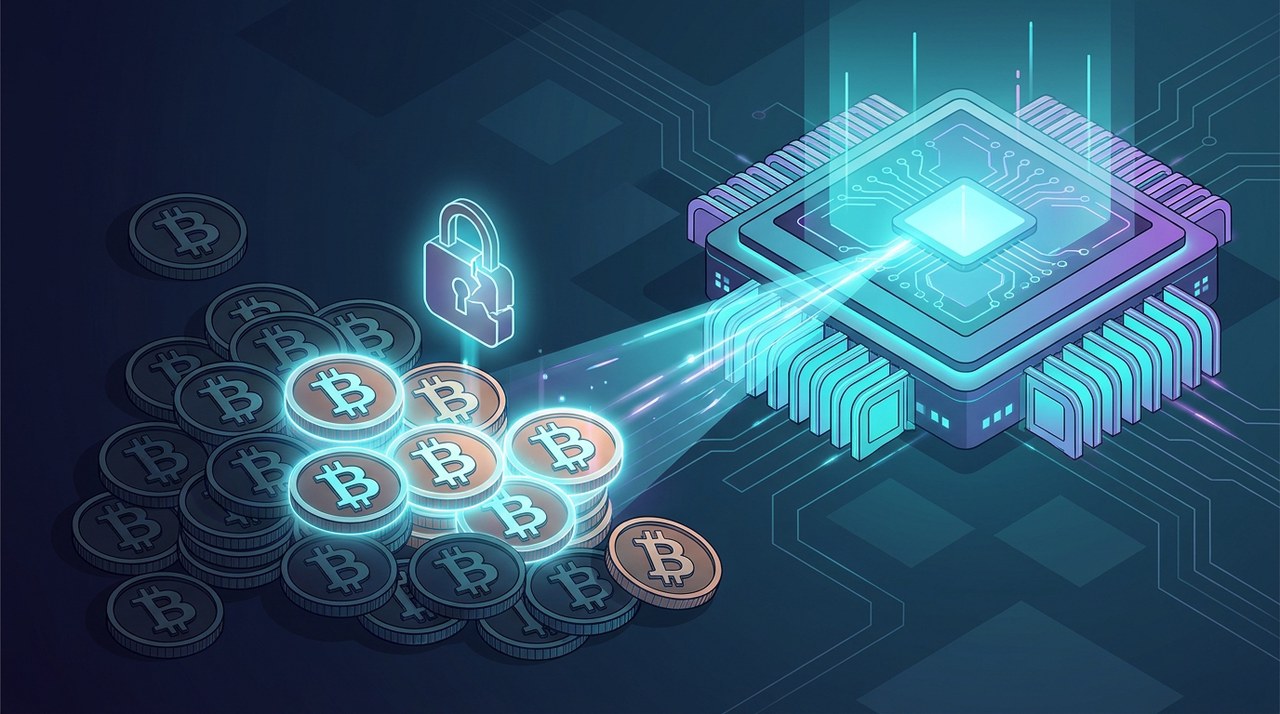

Quantum Risk Flags 35% of Bitcoin Supply, Data Shows
New Glassnode data reveals that over 35% of Bitcoin supply has visible public keys, making it theoretically exposed to future quantum computing risks.
|

 +2
Grayscale Sees New Crypto Opportunities Beyond Bitcoin
Grayscale research shows that crypto sectors are decoupling, opening up new diversification opportunities for investors beyond holding Bitcoin alone.
|