
Next ECB Leadership and the Future of Crypto in Europe
The Looming Leadership Change at the European Central Bank
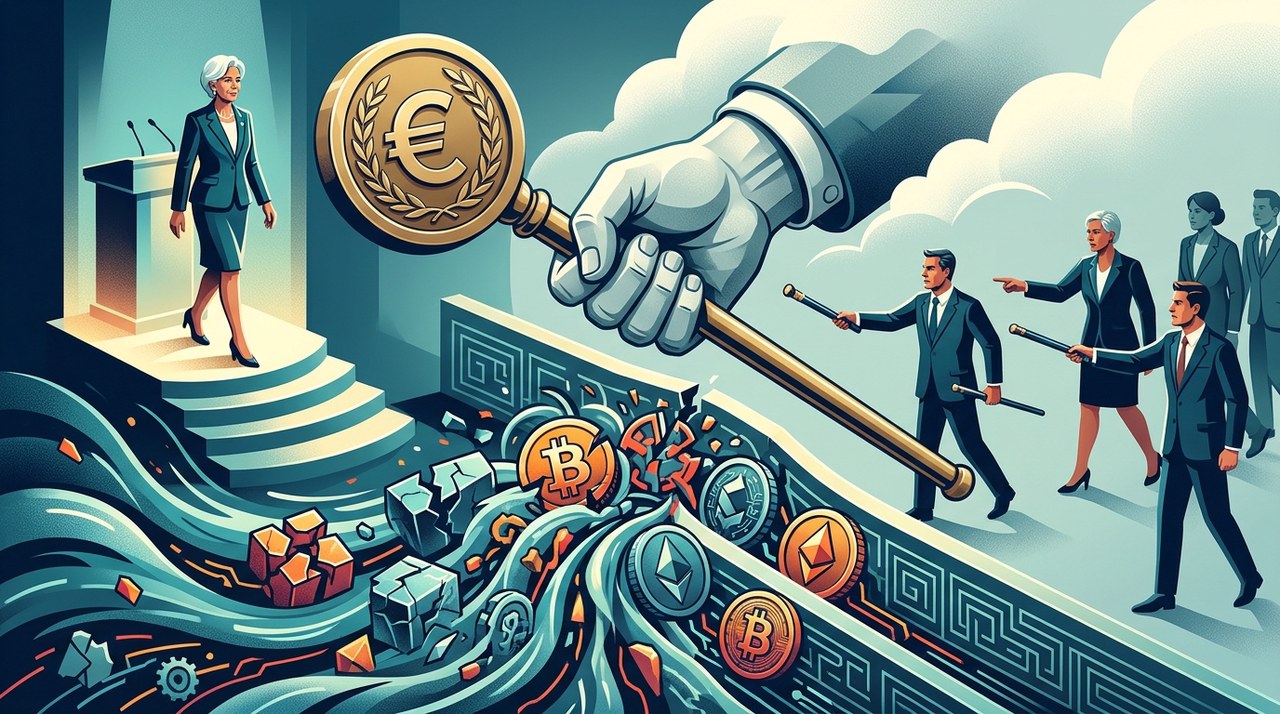
Big changes are coming to European central banking. European Central Bank (ECB) President Christine Lagarde will step down from her position in February 2027.
Her departure will mark the end of an eight-year term. During this time, global financial markets saw dramatic changes, including the rapid growth of digital assets.
Investors and industry observers are already looking ahead. They want to know who will take over the helm of Europe's top monetary authority.
Where the Leading Candidates Stand on Crypto
If you are hoping for a pro-crypto shift at the ECB, the current outlook suggests caution. None of the primary candidates to succeed Lagarde are great fans of crypto.
Top European central bankers frequently highlight risks related to digital assets. Their concerns usually center on financial stability, investor protection, and monetary control.
- Strict Oversight: Leading candidates consistently advocate for tight regulatory guardrails.
- Focus on Risks: Policymakers view unbacked cryptocurrencies as speculative assets rather than reliable money.
- Sovereign Control: Central bankers strongly prefer state-backed monetary solutions over private tokens.
Understanding Christine Lagarde's Crypto Stance
To understand where the ECB is heading, it helps to look at Christine Lagarde's record. She has consistently voiced strong skepticism regarding decentralized digital currencies like Bitcoin (BTCBTC+0.82%).
Lagarde has described cryptocurrencies as highly speculative and risky. She frequently highlights potential risks related to consumer harm and financial crime.
At the same time, Lagarde has been a key champion for the Digital Euro project. She views a central bank digital currency (CBDC) as essential for preserving European monetary sovereignty.
Bitcoin, Stablecoins, and CBDCs: The Three Pillars
European central bankers view the digital finance space through three distinct categories. Each category faces a very different policy environment in Europe.
1. Bitcoin and Unbacked Cryptocurrencies
Central bankers generally treat Bitcoin (BTC) as a speculative asset rather than a medium of exchange. They argue that high price volatility makes it unsuitable for standard daily transactions.
While Bitcoin operates on a decentralized global network, European banking regulations impact how traditional institutions interact with crypto markets. Investors monitoring market movements should remember that past performance of digital assets is not a guarantee of future results. Market data can be verified directly on official platforms such as bitkub.com.
2. Stablecoins and MiCA Regulation
Private stablecoins face strict standards under Europe's Markets in Crypto-Assets (MiCA) regulation. European policymakers worry that wide adoption of foreign stablecoins could weaken local currency control.
Potential ECB leadership successors are expected to maintain this rigorous approach. They demand strict reserve backing and operational compliance for any issuer operating within the Eurozone.
3. Central Bank Digital Currencies (CBDCs)
Unlike decentralized cryptocurrencies, the Digital Euro is designed to complement physical cash. It remains a top priority for European financial leaders.
The prospective candidates for ECB president generally support the Digital Euro initiative. They view it as a safe public payment option for the digital era.
What This Means for Market Participants
The selection of the next ECB president in 2027 will shape European financial policy for years to come. However, drastic policy shifts regarding crypto seem unlikely based on current candidate positions.
Market participants should expect continued emphasis on compliance, risk management, and official oversight. Clear rules provide legal certainty, but strict controls remain the standard in Europe.
Looking Forward to 2027
As February 2027 approaches, official discussions regarding Lagarde's successor will intensify. The political nomination process involves leaders from all Eurozone member states.
For now, the European Central Bank remains committed to its dual approach: enforcing rigorous standards on private digital assets while advancing plans for a public Digital Euro.
Latest blog posts
Bitcoin Miners Hijacked as Luxor Promises Full Refunds
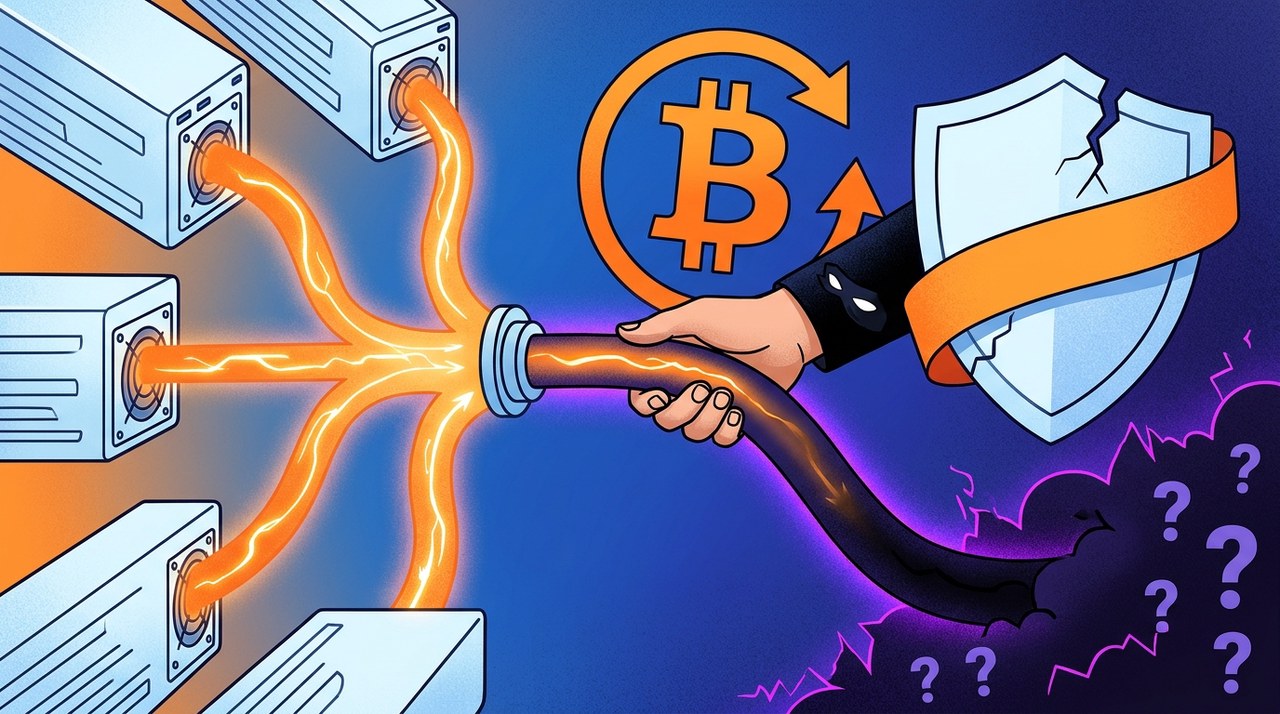
A security incident affected over a dozen Luxor customers when their mining power and BTC rewards were redirected to an attacker. Luxor confirmed full reimbursements.
|

 +1
Spot XRP ETFs Shed $19M as Grayscale Leads Outflows
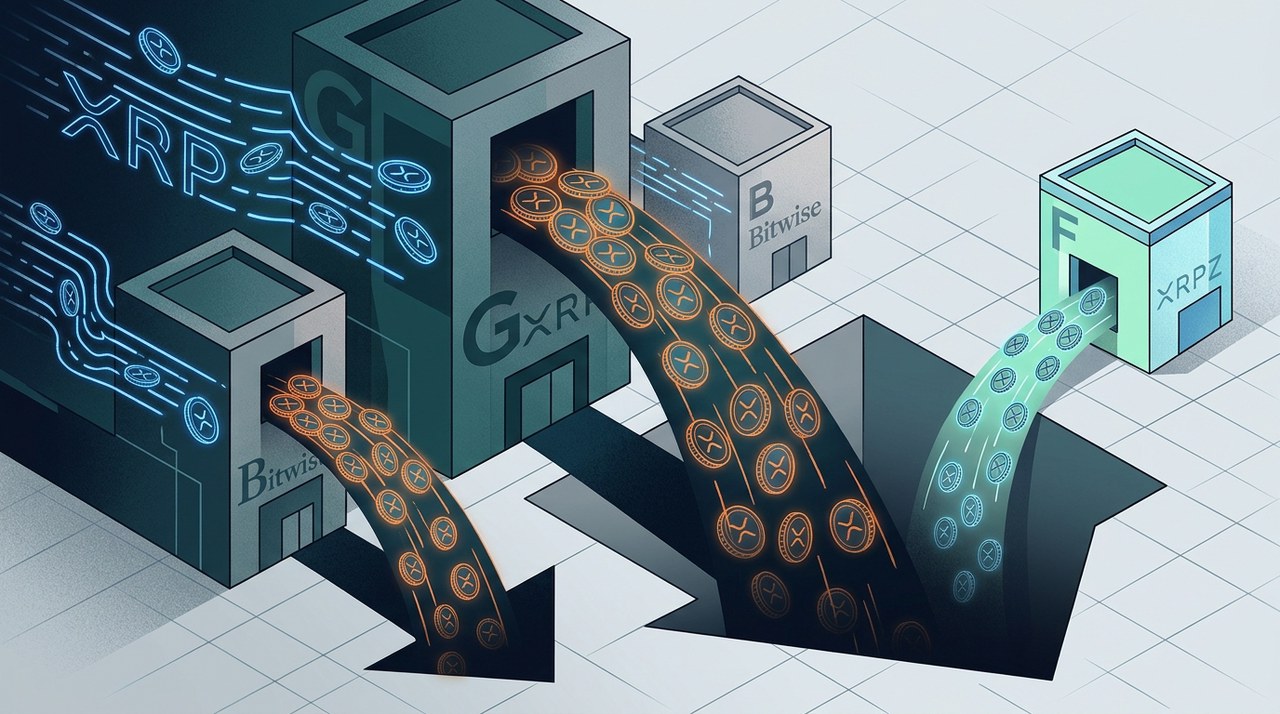
U.S. spot XRP ETFs recorded $19.13 million in weekly net outflows led by Grayscale, while XRP trades around $0.95 amid a wider market pullback.
|
How Did a Bitcoin Miner Hacker Get Paid Without Finding a Block?
A hacker hijacked thousands of Bitcoin mining rigs and redirected their power to OCEAN pool, making over $10,000 without finding a block.
|