


Neuberger Berman Brings Tokenized HINC Fund to Aave Horizon
Traditional Credit Meets Decentralized Finance on AaveAAVE-3.70%
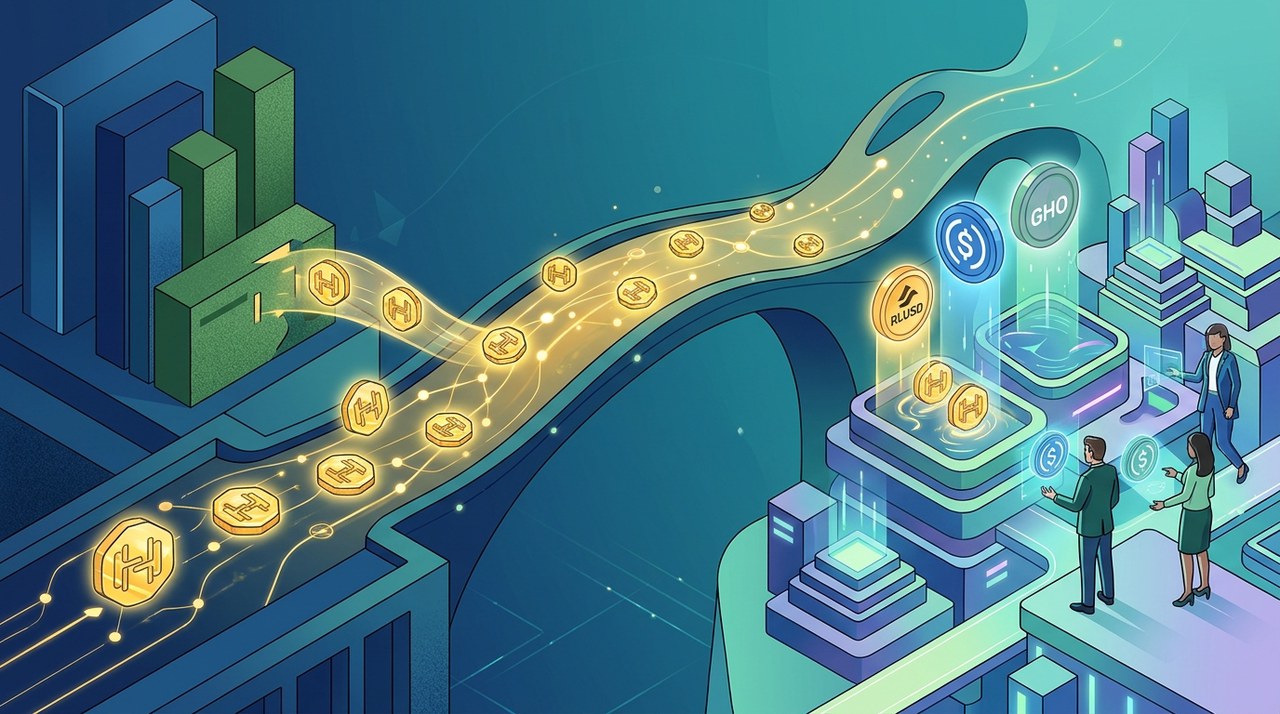
Investment management firm Neuberger Berman has launched its tokenized high-yield fund, HINC, on Aave Horizon.
This move allows eligible institutional investors to use their tokenized fund shares as collateral on-chain.
By depositing HINC tokens, qualified users can borrow major stablecoins, including USDCUSDC-0.62%, GHO, and RLUSD.
This integration marks another step in connecting traditional financial assets with decentralized liquidity pools.
Understanding Neuberger Berman and the HINC Fund
Neuberger Berman is a well-established investment management firm operating globally across traditional asset classes.
Their HINC fund focuses on high-yield credit investments in corporate debt markets.
Tokenizing HINC converts these fund shares into digital assets recorded on a blockchain network.
Tokenization lets qualified investors manage their positions with continuous settlement capability and improved operational flexibility.
What is Aave Horizon and How Does It Function?
Aave is one of the leading decentralized lending protocols in the cryptocurrency ecosystem.
Aave Horizon is a specialized market designed specifically for institutional real-world asset (RWA) integration.
It provides a permissioned environment structured to align with identity verification and compliance protocols.
This setup allows accredited institutions to interact with DeFi infrastructure while meeting regulatory expectations.
Borrowing Options: USDC, GHO, and RLUSD
Eligible investors holding HINC on Aave Horizon can unlock liquidity without liquidating their underlying positions.
Investors can deposit HINC tokens to access three key stablecoins:
- USDC: A fiat-backed US dollar stablecoin issued by Circle.
- GHO: A decentralized, native overcollateralized stablecoin developed by Aave.
- RLUSD: RippleXRP-7.75%'s enterprise-focused US dollar stablecoin.
Borrowers can deploy these stablecoins for working capital, treasury management, or other operational activities.
Why Real-World Asset (RWA) Tokenization Matters
Tokenizing real-world assets is a rapidly growing sector in institutional blockchain technology.
Bringing corporate credit on-chain offers several practical benefits:
- Enhanced Efficiency: Automated Smart contracts handle borrowing rules and collateral tracking.
- Liquidity Access: Investors draw capital against assets without selling off debt holdings.
- Verifiable Transparency: Asset ownership records remain readable on transparent public ledgers.
Key Risks and Considerations
While tokenized credit creates new liquidity channels, market participants should remain mindful of inherent risks.
High-yield credit instruments carry risks linked to corporate debt defaults and broader interest rate movements.
Using decentralized protocols also introduces smart contract considerations and shifting borrowing rates.
Past performance of digital assets or investment funds does not guarantee future results. Investors should carefully assess market volatility and liquidating risks.
For historical price trends and asset info, visit the Bitkub Market Page.
Looking Ahead in Institutional DeFi
The deployment of Neuberger Berman's HINC on Aave Horizon shows growing institutional confidence in decentralized lending rails.
As traditional financial asset managers digitize legacy funds, permissioned DeFi markets continue to expand.
Market observers will be watching how institutional adoption of tokenized credit develops throughout the coming year.
Latest blog posts
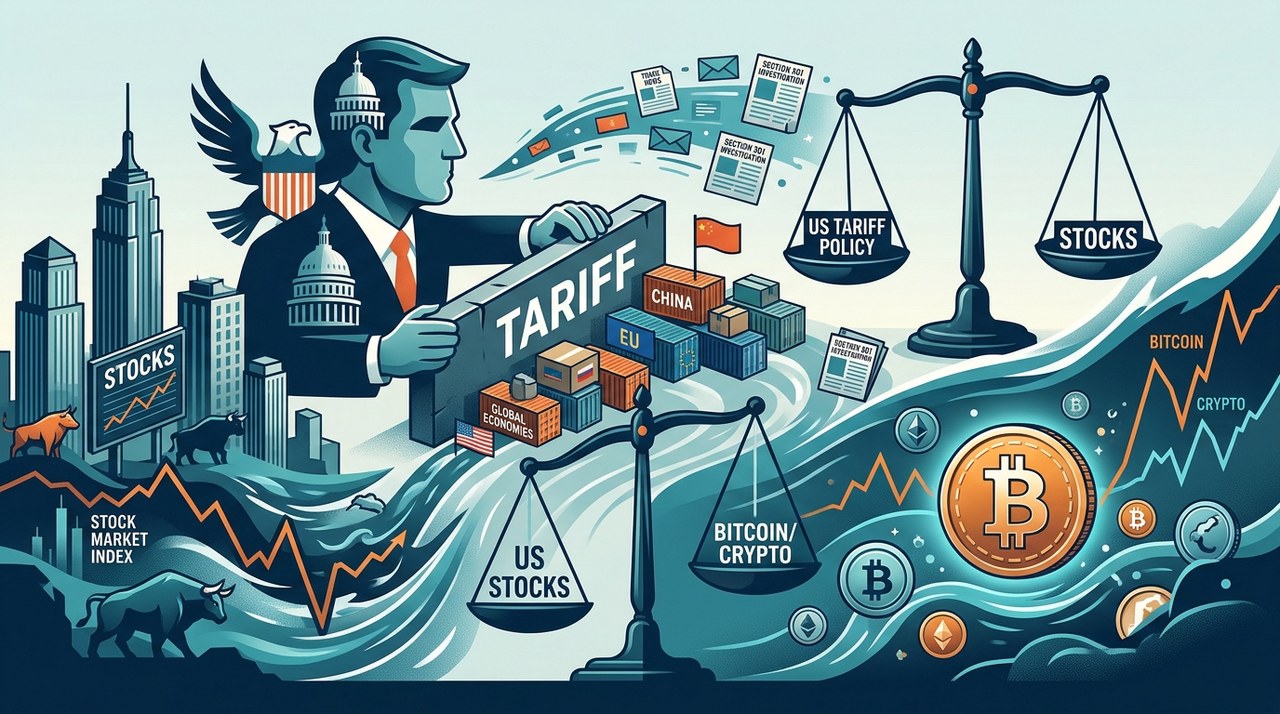

New US Tariffs Loom: What It Means for Stocks and Bitcoin
The US is preparing new tariffs on China and 15 other nations, bringing trade tension back into focus for stocks and crypto markets.
|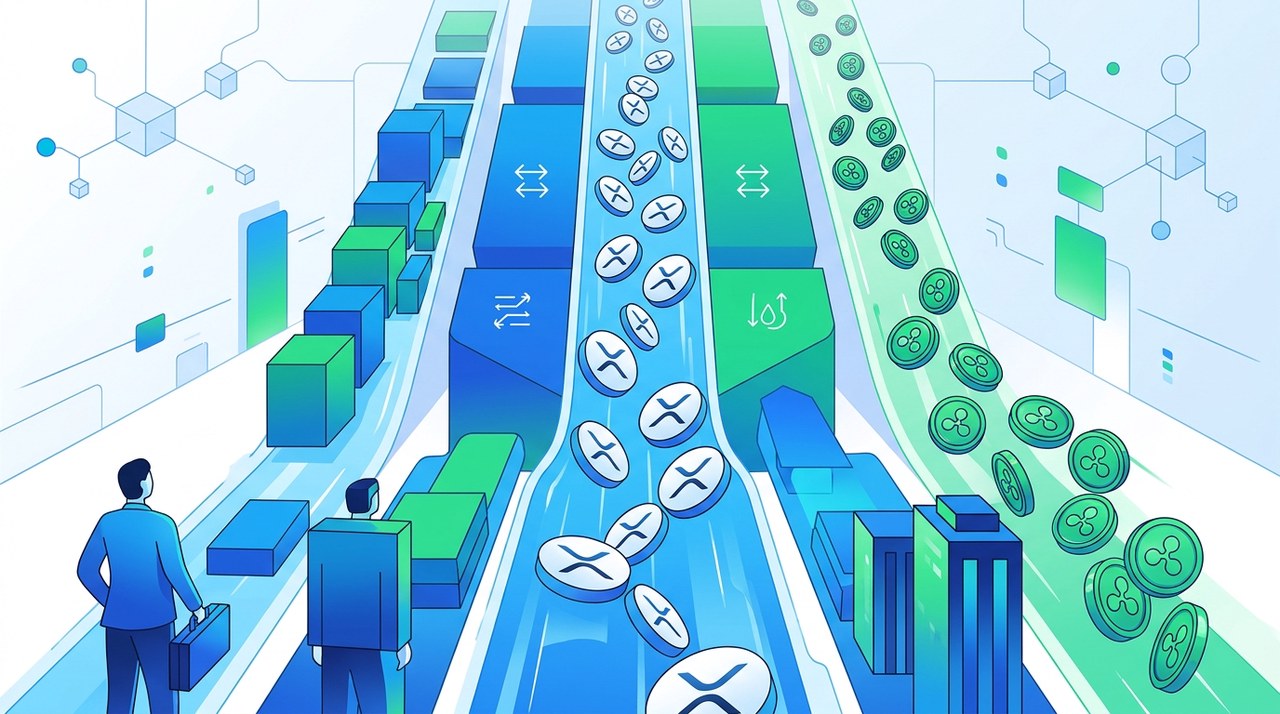
XRPL DEX Daily Volume Reaches 4.51 Million XRP in Q3
Evernorth data shows XRP Ledger DEX averaged 4.51M XRP daily in Q3, with major traders driving 65% of volume and RLUSD rising 74%.
|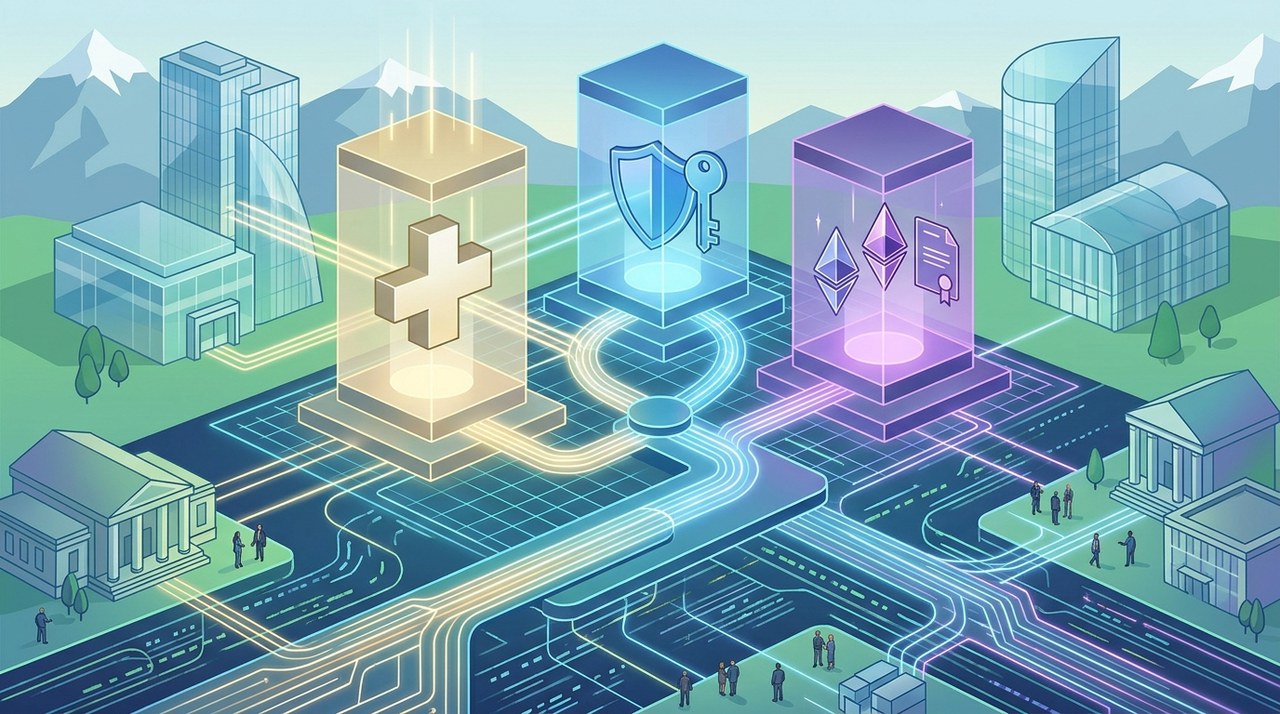


Swiss Central Bank, UBS, and SIX Study Shared Ledger
The Swiss National Bank, UBS, and SIX are examining whether a single shared ledger can host central bank money, commercial bank money, and tokenized securities.
|