Morgan Stanley Tokenizes Wall Street Securities Onchain
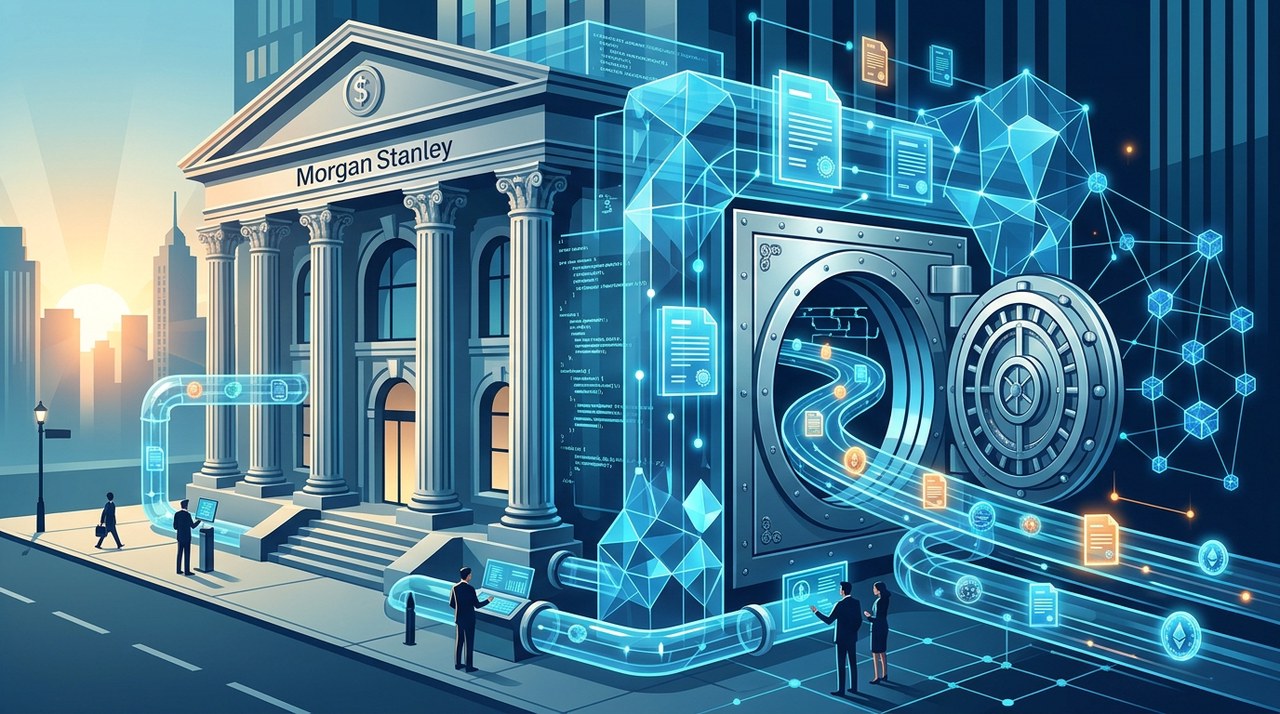
Wall Street Meets Blockchain Infrastructure
Wall Street is taking another big step into the crypto world. Investment banking leader Morgan Stanley is moving forward with tokenizing financial securities on public and private blockchains.
Finance insiders often refer to backend settlement systems as the plumbing of the global financial market. Now, that underlying plumbing is officially shifting onchain.
What Does Tokenizing Securities Actually Mean?
Tokenization converts ownership rights of a traditional financial asset into a digital token stored on a blockchain.
Think of it like converting a physical paper concert ticket into a digital pass on your smartphone. The ticket represents the exact same seat, but the digital version is much easier to transfer, track, and verify instantly.
Why Wall Street Banks Want Assets Onchain
Traditional financial trade settlement can take several business days to complete. Old banking systems often suffer from delayed clearing times and high operational costs.
Blockchain networks offer traditional finance several key upgrades:
- Faster Settlement: Transactions can clear in seconds rather than days.
- 24/7 Operations: Digital ledger networks operate continuously around the clock.
- Fractional Ownership: Investors can easily buy smaller fractions of large financial instruments.
- Automated Processes: Smart contracts remove the need for manual record-keeping.
The Growing Real-World Asset (RWA) Trend
This effort fits into a rapidly growing crypto sector called Real-World Assets (RWAs). RWA projects bring assets like government bonds, credit, and equities into the digital ecosystem.
Other institutional heavyweights like BlackRock and Franklin Templeton have already launched successful tokenized products. Morgan Stanley joining this space highlights a major shift in how major institutions view blockchain.
Understanding the Risks and Hurdles Ahead
While tokenization brings massive potential efficiency, the industry still faces hurdles. Regulations across international jurisdictions are still evolving rapidly.
Institutions must navigate strict compliance requirements, identity verification standards, and smart contract security risks before full mainstream adoption occurs.
Investors should note that digital assets and tokenized products carry inherent market and liquidity risks. Past performance of digital assets or financial products does not guarantee future returns.
Looking Forward to the Future of Finance
The bridge between traditional finance and decentralized technology is growing stronger every day. As major banks continue building onchain systems, global finance becomes increasingly digital and interconnected.
Latest blog posts
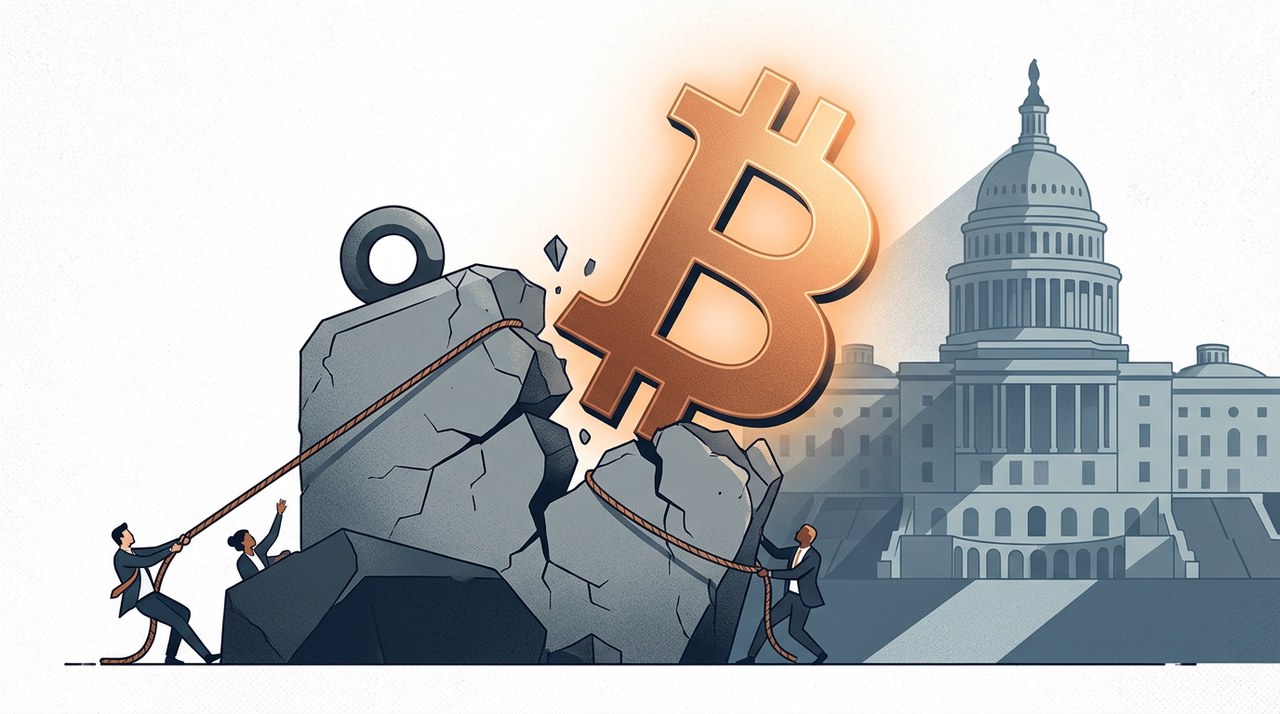

Bitcoin Rebounds as Political Landscape Shifts in Washington
Bitcoin shows price recovery as prediction markets track key price targets, even as legislative hurdles loom in Washington D.C.
|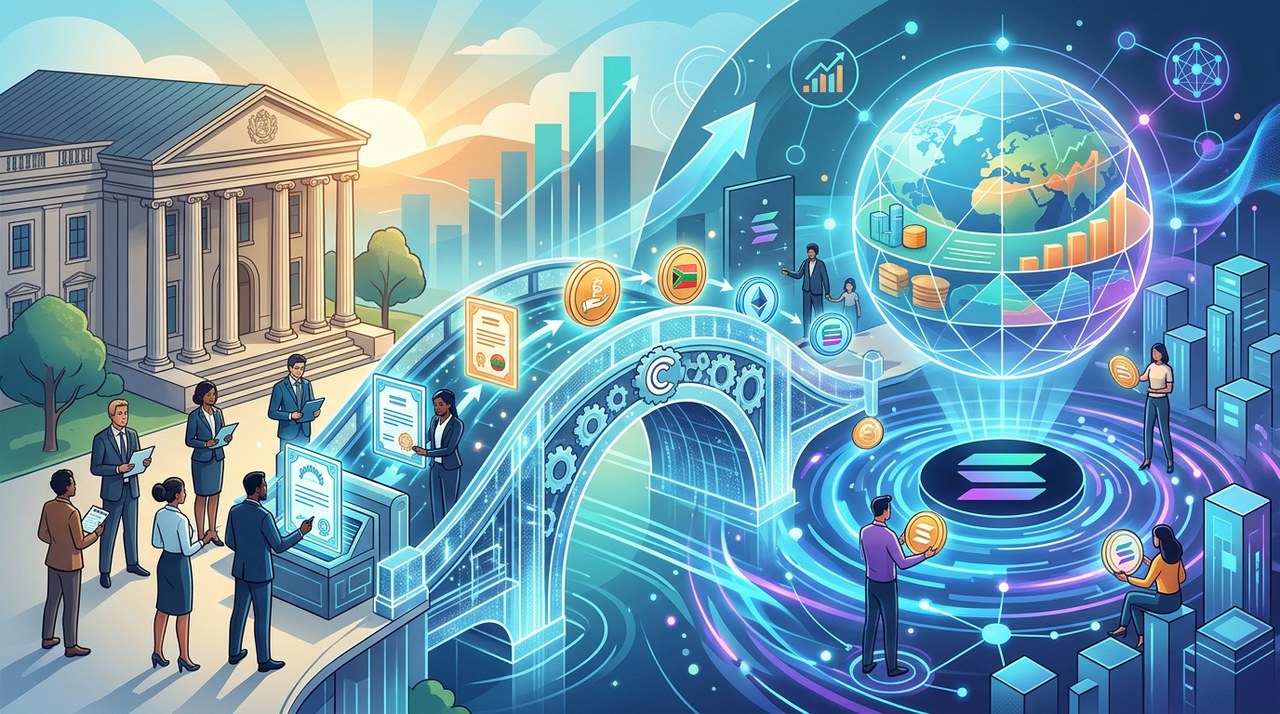

Schroders Launches Tokenized Emerging Markets Fund on Solana
Global asset manager Schroders has teamed up with Centrifuge to launch a tokenized emerging markets bond strategy on the Solana blockchain.
|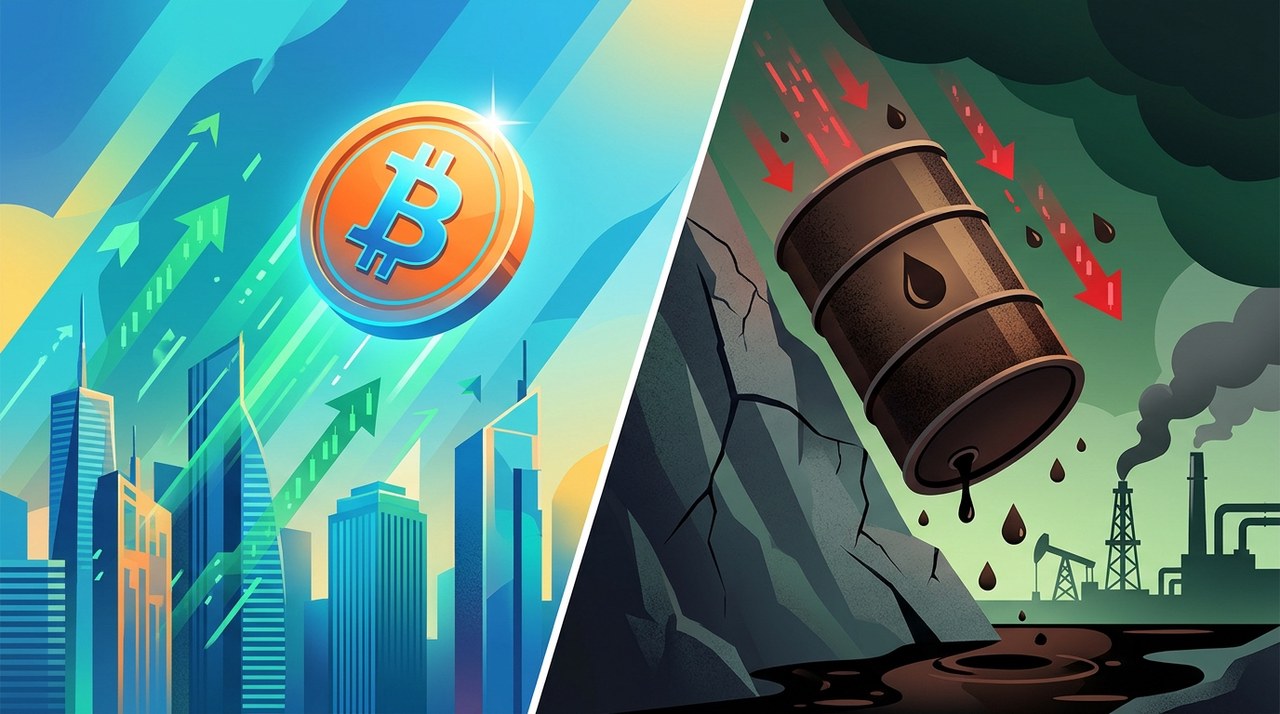
Bitcoin Crosses $80,000 as Oil Prices Drop Following US Elections
Bitcoin climbed back above $80,000 while US crude oil dropped 12% following the midterm election results, bringing fresh activity to crypto markets.
|