
Ledger Offers Factory X-Ray Scans for Tampered Wallets
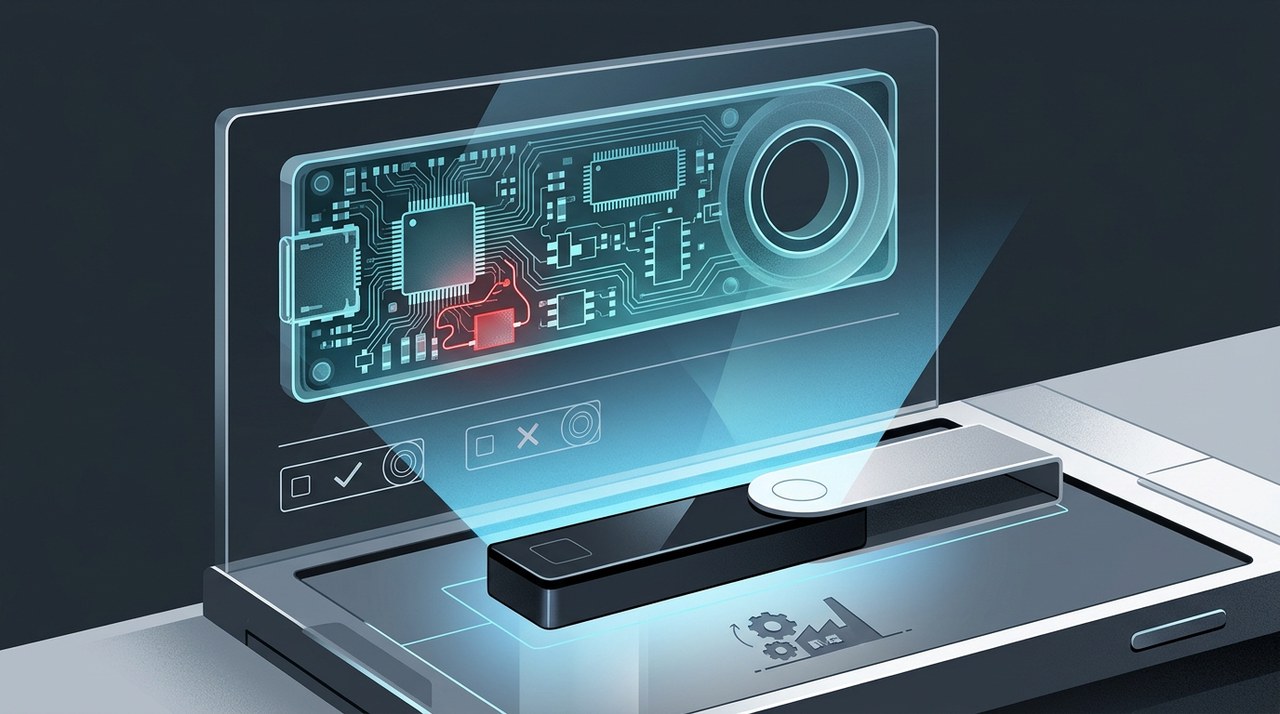
Ledger Offers Factory X-Ray Scans Following Hardware Tampering Reports
If you use a hardware wallet to protect your digital assets, physical security is just as important as online security. Recently, hardware wallet maker Ledger announced a new inspection initiative to help worried device owners. The company is now offering physical X-ray scans at its factory in Vierzon, France, to check suspect devices for physical tampering.
This move comes after reports confirmed that unauthorized third parties had modified some devices before they reached customers. These tampered units contain hidden hardware implants designed to capture secret recovery phrases during initial setup.
What Is Happening with Tampered Ledger Hardware Wallets?
To understand the issue, it helps to look at how these supply chain attacks work. Malicious actors managed to intercept hardware devices within third-party reseller channels. They opened the device cases and installed rogue electronic components, often referred to as spy chips or hardware implants.
When a user powers on a tampered device to set it up for the first time, this hidden chip secretly records the newly generated 24-word recovery phrase. The attacker can then use that phrase elsewhere to access and drain all funds from the wallet.
Ledger has emphasized that its underlying core technology remains sound. The company's built-in Secure Element chip and custom operating system have not been compromised or hacked. Instead, the problem stems entirely from physical modifications added by rogue third parties during supply chain distribution.
Why Home Checks and Scales Cannot Detect the Modded Chips
When news of the tampered devices first emerged, many crypto users attempted to test their wallets at home. Some users tried weighing their devices on precision kitchen scales, hoping that an extra internal chip would make the device heavier.
Unfortunately, weighing a device offers very little protection. The weight of a tiny microchip is often far too small for standard home scales to measure reliably. Furthermore, sophisticated attackers can modify internal plastic or casing to match the exact factory weight of an authentic unit.
Software tests also face clear limitations in this specific scenario. Ledger features an automated software test called Genuine Check to verify device authenticity when connecting to official applications. However, Ledger acknowledged that Genuine Check cannot detect an added hardware implant if the original security chip remains present and untouched on the circuit board.
Because home scales and standard software checks cannot reveal these hidden physical modifications, Ledger decided to offer industrial X-ray analysis. An X-ray scan lets security engineers look straight through the outer plastic shell to inspect internal circuitry directly without breaking the device.
How the Official Ledger X-Ray Inspection Process Works
Ledger is making these physical X-ray inspections available for a limited time to users who suspect their devices might be compromised. The entire verification process is handled through official support channels.
- Contact Support: Open an official support ticket directly on ledger.com.
- Ship the Device: Once approved, ship your hardware wallet to Ledger's manufacturing facility in Vierzon, France.
- Expert Inspection: Ledger's specialized security laboratory, known as the Ledger Donjon, conducts an in-depth physical and X-ray analysis.
- Safe Return: The company inspects the internal circuitry and returns the physical device to the owner after completing the test.
Ledger stresses that owners should never send devices through third-party contacts or unsolicited social media messages. All legitimate inspection requests must go strictly through official support tickets.
Timeline and Global Spread: From Southeast Asia to Berlin and Dubai
What began as an isolated incident has expanded across multiple regions over recent months. Understanding where these tampered devices surfaced helps highlight the scope of the problem.
The issue was first publicly disclosed on October 15th, 2026. Initially, the hardware implant attack appeared confined to Southeast Asia, where Ledger identified one affected Ledger Nano Gen5 unit. In response, Ledger quickly paused sales operations for unauthorized resellers across that region to prevent further compromised units from reaching customers.
However, the investigation soon expanded to Europe and the Middle East:
- Berlin, Germany: Tampered units were traced back to purchases made in Berlin. As a precaution, Ledger asks anyone who bought a device in Berlin since January 2026 to contact support.
- Dubai, UAE: Dubai recently became the newest area under investigation. Ledger is currently probing reports involving two suspected tampered devices and analyzing how they entered circulation.
- Previous European Audits: Ledger had previously stated that spot checks across Europe found no tampered stock, but user reports later flagged compromised devices linked to third-party distribution.
Our investigation into the hardware implant incident we disclosed Oct 15th is ongoing... There is no flaw in Ledger's secure chip or operating system, and no confirmed case involving a device bought on ledger.com.
Total Financial Losses: Bitquery Reports $102 Million Drained
The financial impact of these supply chain attacks is substantial. On-chain analytics firm Bitquery estimates that total losses from drained devices have reached nearly $102 million.
Bitquery's analysis indicates that the vast majority of stolen funds were taken in USDT stablecoins on the TRONTRX+0.37% network. Because attackers obtain the full 24-word recovery phrase during initial setup, they can initiate transactions remotely as soon as funds are deposited into the wallet.
Essential Steps to Keep Your Digital Assets Safe
If you own a hardware wallet or plan to purchase one soon, security experts recommend several immediate precautions.
What to Do If You Suspect Your Device Is Tampered
- Stop Using the Device Immediately: Disconnect the hardware wallet right away and do not enter your pin or generate new addresses.
- Move Your Funds Safely: Transfer all digital assets to a secure, verified wallet as soon as possible.
- Generate a Brand New Seed Phrase: Always set up replacement hardware using a fresh 24-word recovery phrase generated on a device bought directly from the manufacturer.
- Submit an Official Support Ticket: Reach out to official Ledger Support if you believe your unit requires physical X-ray verification in France.
Safe Purchasing Practices
The primary vulnerability in this situation was not software code, but physical distribution. Buying from unverified third-party sellers, secondhand vendors, or unauthorized reseller marketplaces carries significant risk.
To minimize risk, always order hardware wallets directly from the official manufacturer at ledger.com. Factory plastic wrapping or sealed boxes alone do not guarantee safety, as skilled attackers can re-seal packaging after installing physical spy chips.
How Competitors and the Crypto Industry Are Responding
The discovery of physical hardware implants has prompted changes across the crypto security industry. Rival hardware wallet manufacturers are taking extra steps to secure their supply chains.
For example, competitor Trezor announced that it is cutting off third-party resellers to protect its supply chain. By moving exclusively to direct sales, Trezor aims to ensure devices travel securely from factory to buyer without middleman interference.
As investigations continue, Ledger expects additional affected units may surface through support tickets and community feedback. For device owners in affected regions like Berlin and Dubai, a factory X-ray inspection in France remains the most definitive way to verify hardware integrity.
Latest blog posts

GENIUS Act Rules Spark Stablecoin Oversight Debate
Six US senators have warned Treasury Secretary Scott Bessent that proposed rules could give federal stablecoin issuers an unfair edge over state-supervised companies.



Hashi Bitcoin Protocol Launches on Sui Mainnet
Bitcoin finance protocol Hashi is now live on Sui mainnet, allowing users to deposit Bitcoin and use hBTC in Fluid loans and HoneyB vaults on Upshift.
|
IOSCO Warns Quantum Tech Poses Challenges for Blockchains
The International Organization of Securities Commissions warns that future quantum computers could threaten financial cryptography, with blockchains facing unique upgrade hurdles.