IOSCO Warns Quantum Tech Poses Challenges for Blockchains
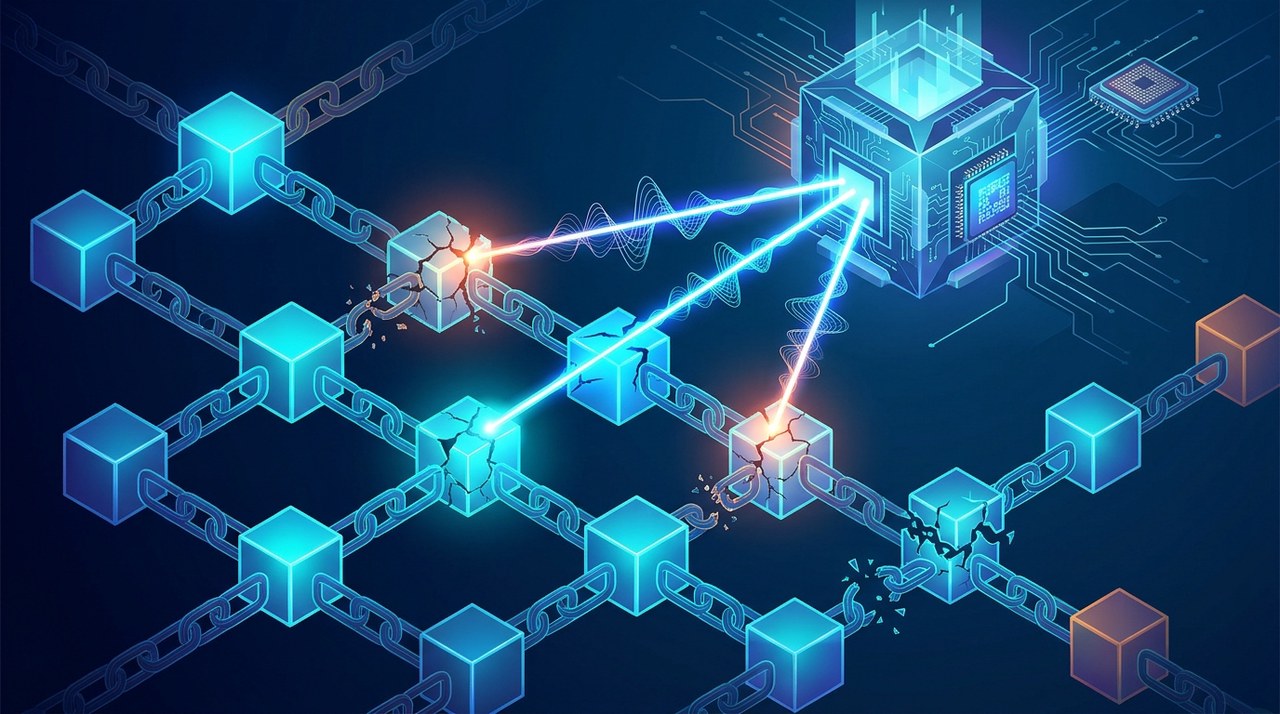
What Did Global Regulators Warn About Quantum Computing?
Imagine a supercomputer so fast it can crack open the most secure digital vaults in seconds. That is the potential power of quantum computing.
The International Organization of Securities Commissions, known as IOSCO, recently issued a warning about this technology. They stated that a sufficiently capable quantum computer could undermine the underlying cryptography protecting global financial markets.
When Will Quantum Computers Become a Real Threat?
The good news is that these hyper-advanced machines do not exist just yet. Traditional computers still handle our financial networks safely.
According to IOSCO, conservative estimates place the arrival of fully capable quantum computers between 2030 and 2035. That gives the financial world time to prepare.
However, some industry experts are urging financial institutions not to wait. They recommend planning for quantum transitions within a much tighter five-year timeline.
Why Are Blockchains Particularly Hard to Upgrade?
While traditional systems can update software behind closed doors, public networks work very differently. IOSCO flagged blockchains as particularly hard to migrate to quantum-resistant standards.
There are two main reasons why transitioning blockchain networks will be a major technical challenge.
1. Post-Quantum Signatures Are Much Larger
Cryptographic signatures act like digital wax seals that prove who owns digital assets. To resist quantum attacks, new post-quantum algorithms are needed.
The main issue is data size. These new post-quantum signatures are estimated to be 35 to 40 times larger than the digital signatures used on blockchains today.
Larger signatures take up significantly more block space. This extra data weight could slow down networks and increase storage demands for network participants.
2. Upgrades Require Major Network Hard Forks
Updating a decentralized blockchain is not as simple as updating an app on a phone.
To adopt quantum-safe rules, blockchains will need to undergo hard forks. A hard fork is a permanent structural upgrade across a decentralized network.
Hard forks require community consensus across thousands of global network nodes. Coordinating these massive upgrades smoothly takes significant time and planning.
Looking Ahead: Preparing for the Future
Quantum computing offers exciting possibilities, but it also creates key security considerations for modern finance. Both traditional firms and blockchain projects must plan ahead.
By tackling data sizes and preparing for hard forks early, developers aim to keep digital infrastructure safe long into the future.
Latest blog posts



 +2
XRP Outperforms Solana and Dogecoin in Japan
XRP captured 15% of Japan's spot crypto trading volume in September 2026, outperforming Solana and Dogecoin to become the country's third most-traded cryptocurrency.
|

Royal Bank of Canada Drops Leveraged XRP ETF Position
Royal Bank of Canada reported zero holdings in a leveraged XRP ETF, while other major global banks updated their crypto ETF portfolios.
|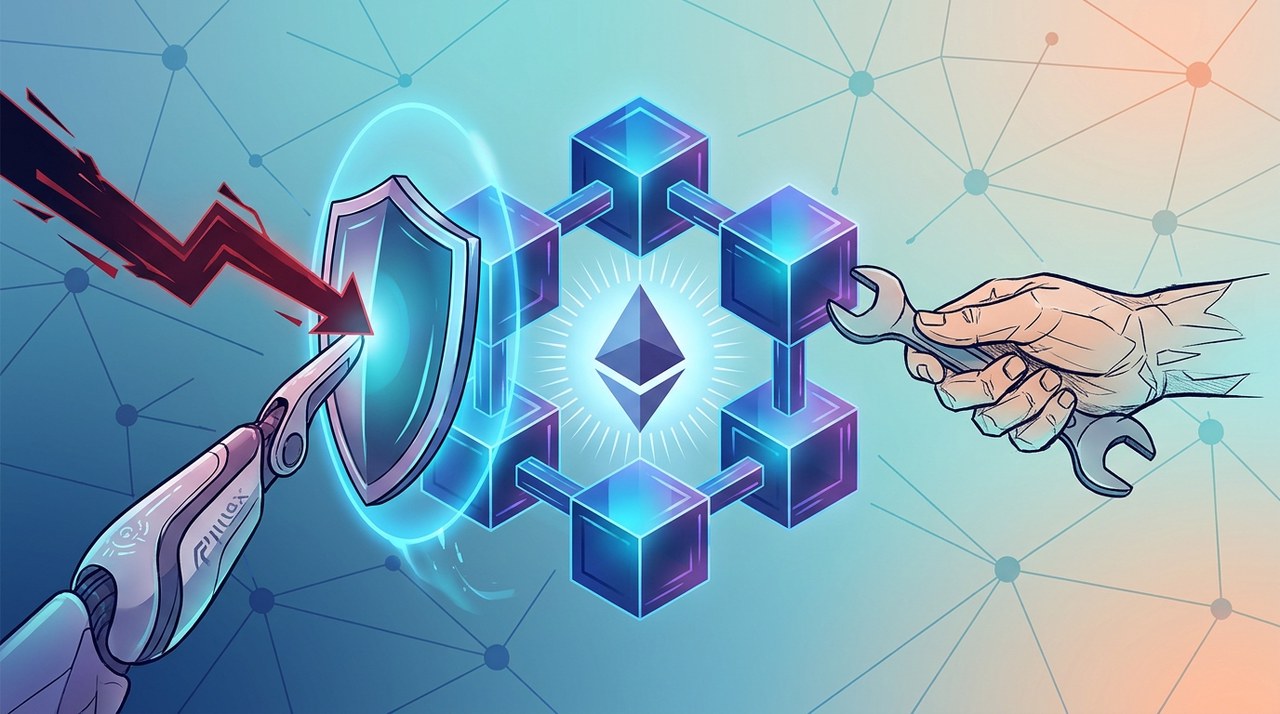
Ethereum Security Tool Sparks Censorship Debates
A new DeFi security tool by Phylax helps block harmful transactions, but raises concerns about censorship and builder centralization on Ethereum.
|