

Layer 2 Scaling Explained: A Simple Beginner Guide
The Blockchain Traffic Jam: Why We Need Scaling
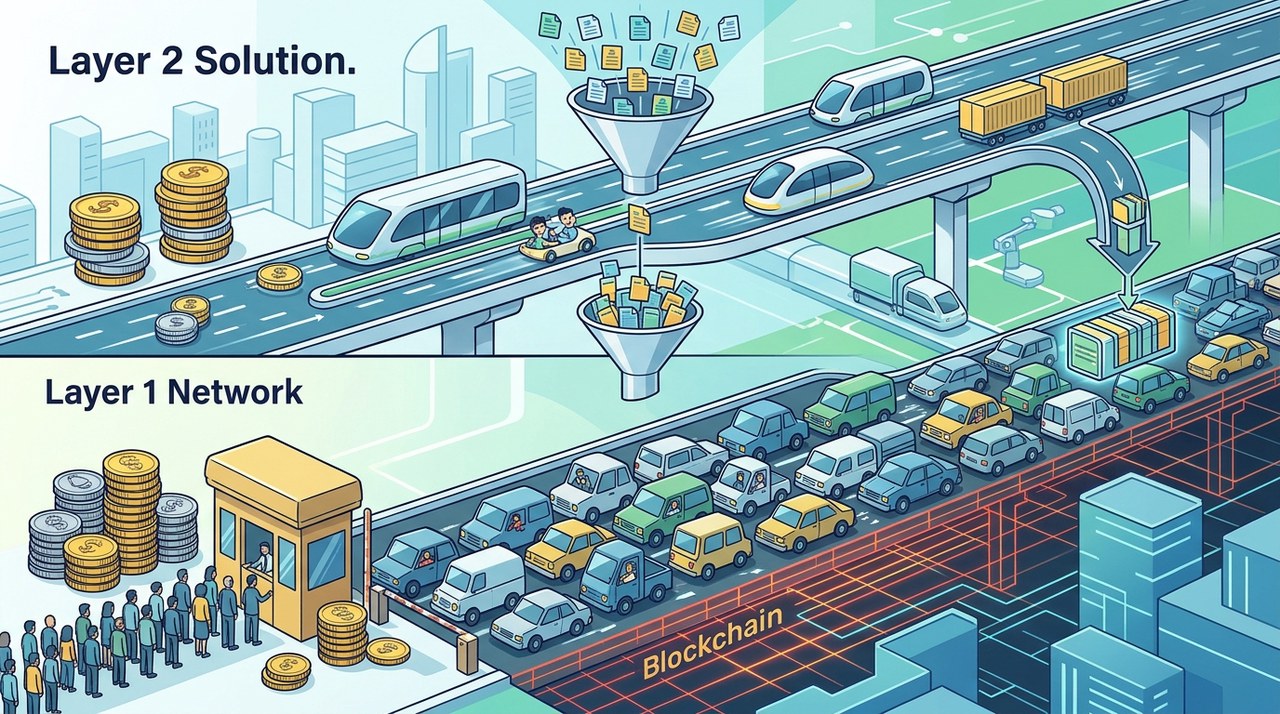
Imagine trying to drive on a single-lane highway during rush hour. Every single car is moving at a crawl, and the toll booth fee keeps going up because everyone is competing to cross first. That is exactly what happens on major blockchains like EthereumETH+1.00% when network traffic gets busy.
Base blockchains, often called Layer 1 (L1) networks, prioritize security and decentralization above all else. Every node in the network must verify every transaction. While this keeps the system secure, it creates a major bottleneck. Transaction speeds slow down, and gas fees can become extremely expensive.
To solve this issue without sacrificing security, developers created Layer 2 scaling solutions. These secondary networks process transactions off the main chain, giving users faster speeds and much lower fees.
How Does Layer 2 Work?
Think of Layer 2 as opening a tab at a coffee shop. Instead of paying with your credit card for every single cup of coffee throughout the week, the barista writes your orders on a tab. At the end of the week, you pay once, settling the final total on your main bank account.
Layer 2 networks work in a similar way. They bundle hundreds of individual transactions together off the main blockchain, process them quickly, and then send a single summary proof back to Layer 1 for final record-keeping.
Key Layer 2 Technologies: Rollups, Sidechains, and Appchains
There are a few different technical approaches to off-loading traffic from the main blockchain. Here are the main designs you will encounter across the crypto ecosystem:
1. Rollups (Optimistic and ZK)
Rollups are currently the most popular scaling design. They roll up multiple transactions into a single batch and submit it to Layer 1. Rollups come in two main flavors:
- Optimistic Rollups: These assume all transactions are valid by default. They give validators a dispute window to report any fraudulent transactions using fraud proofs.
- Zero-Knowledge (ZK) Rollups: These use complex cryptography to prove a transaction batch is accurate instantly, without revealing the underlying data.
2. Sidechains
A sidechain is an independent blockchain running parallel to Layer 1. It uses its own set of validators and consensus mechanism. Assets are transferred between the chains via a cryptographic bridge.
3. Appchains
Appchains (application-specific blockchains) are custom networks built to serve just one specific application, such as a specialized decentralized exchange or a blockchain game. This prevents other applications from clogging up network capacity.
Monolithic vs. Modular Blockchain Design
The evolution of Layer 2 has shifted how developers build Web3 infrastructure, dividing design philosophies into monolithic and modular models.
- Monolithic Design: A single blockchain layer handles execution, consensus, settlement, and data storage all by itself.
- Modular Design: Tasks are split among separate specialized networks. For example, Layer 2 handles transaction execution, while Layer 1 handles consensus and security.
Understanding Layer 2 Tokens and Ecosystem Incentives
Many Layer 2 networks launch native utility and governance tokens. These tokens are used to pay for transaction fees, participate in protocol voting, or secure decentralization through staking mechanisms.
To attract users and developers, platforms frequently distribute tokens through liquidity rewards or public airdrops. However, participants should remember that digital asset tokens carry market risks and price volatility.
Past performance of digital assets or L2 tokens is no guarantee of future results. Always review market liquidity and project fundamentals before participating. Check market conditions at Bitkub Market.
Navigating Trade-offs: Speed, Cost, and Security
Every scaling strategy involves structural trade-offs known as the Blockchain Trilemma, which states that a network must balance three core pillars:
- Scalability (Speed and Cost): How many transactions the network can process per second at low fees.
- Security: How resistant the protocol is to attacks or data tampering.
- Decentralization: How widely distributed the validation power is across global participants.
Rollups generally inherit the strong security guarantees of Layer 1, but they require technical complexity to operate. Sidechains offer exceptional speed and low fees, but they rely on their own validation teams, which can introduce different security profiles.
Conclusion: Building a Scalable Future
Layer 2 solutions are vital to making decentralized technology accessible to millions of everyday users worldwide. By offloading transaction workloads from main chains, Layer 2 networks make crypto transactions fast, affordable, and practical for daily use.
Latest blog posts
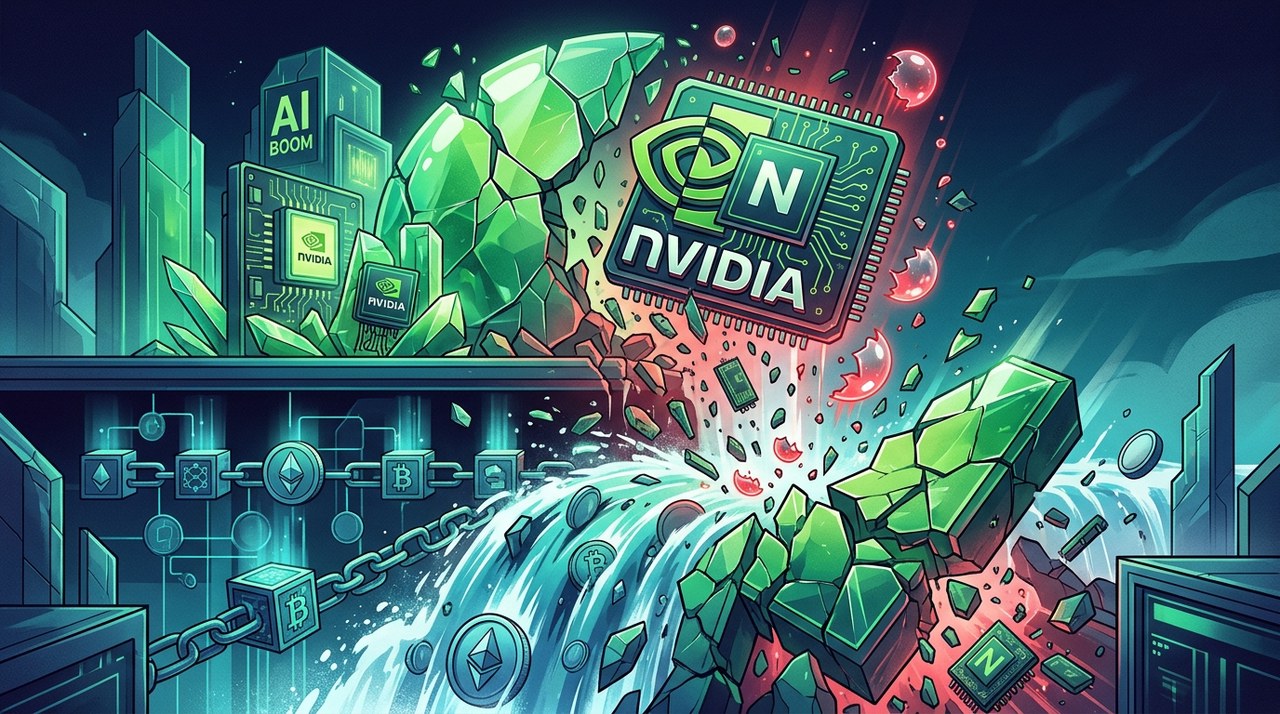

Is the AI Bubble Popping? Nvidia Drop Shakes Crypto
Nvidia experienced a major pullback from its highs, raising questions about an AI bubble. Here is how Wall Street, prediction markets, and Bitcoin are reacting.
|
 +1
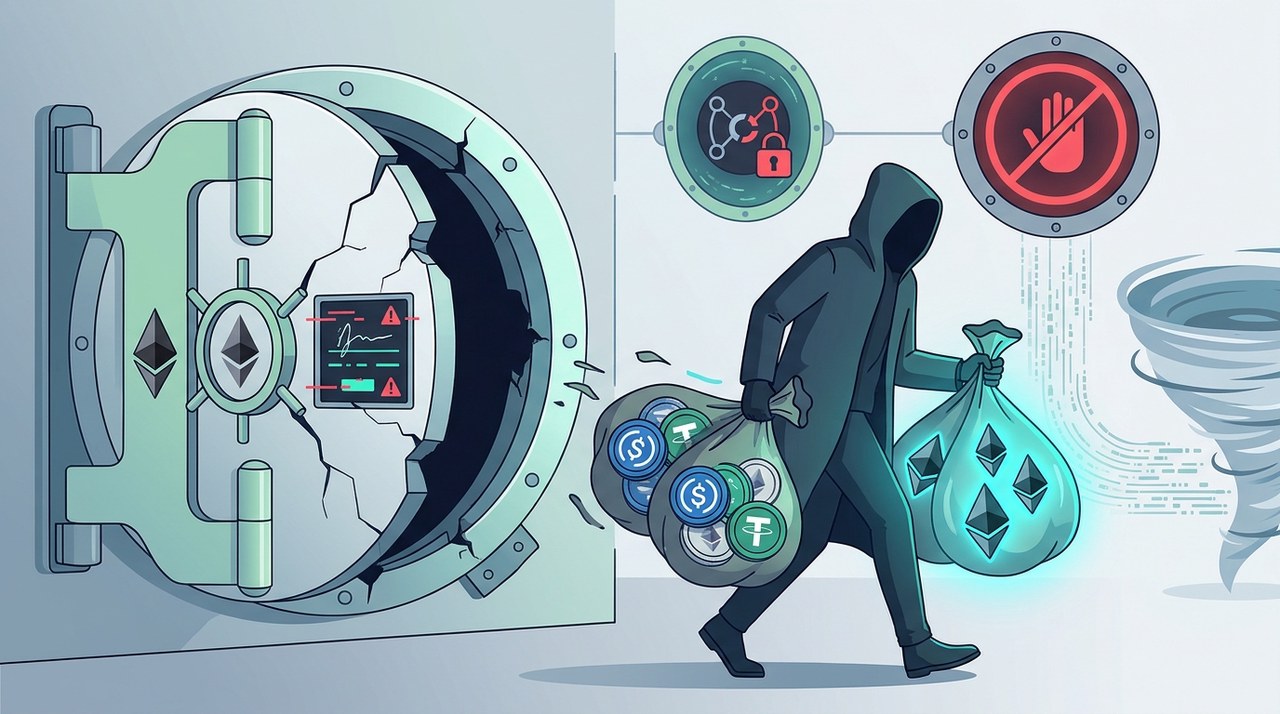
Chainflip Hit by $4.86M Exploit as Ethereum Vault Drained
Cross-chain protocol Chainflip paused all operations after an attacker exploited its Ethereum vault signature key system to extract $4.86 million.
|

 +2
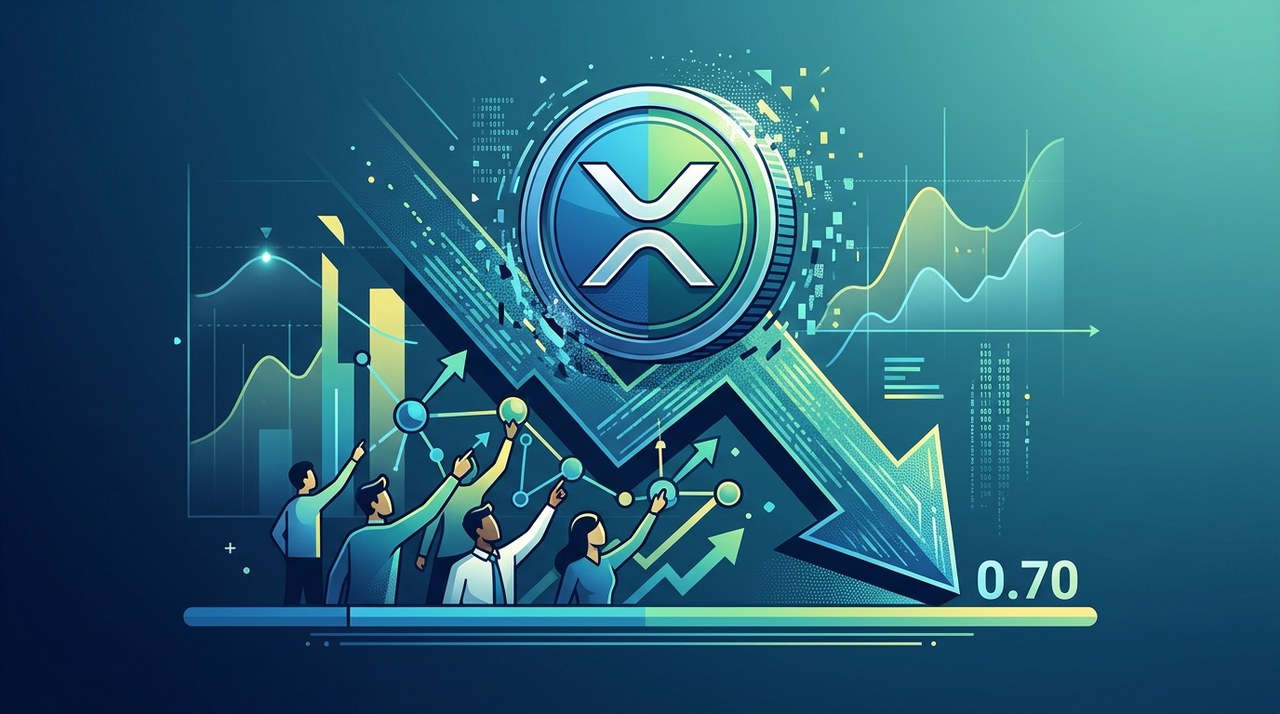
Kalshi Traders See 55% Chance XRP Could Retest $0.70
XRP fell over 8% in a single day, leading Kalshi prediction market traders to price in a 55% chance of a $0.70 retest before 2026 ends.
|