
Japan Crypto Group Taps SEAL to Speed Up Hack Response
A Strategic Alliance for Rapid Incident Response
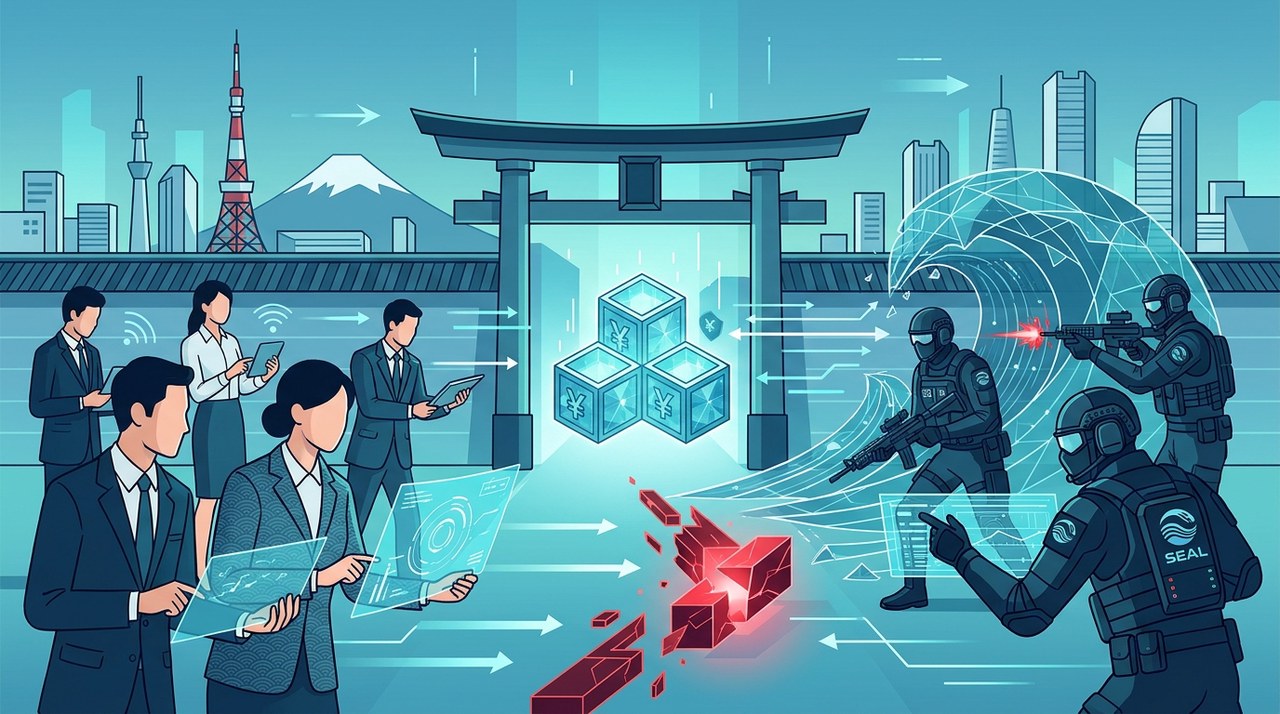
Japan's primary cryptocurrency security organization has officially partnered with the Security Alliance, widely known as SEAL. This collaboration aims to significantly speed up response times when cyberattacks or security threats target the digital asset sector.
By teaming up with SEAL, the Japanese group seeks to enhance real-time threat intelligence sharing and bolster emergency defense strategies across the national crypto landscape.
The Breach That Prompted Swift Action
This joint effort comes just weeks after a major cybersecurity incident unsettled the Japanese digital asset market.
In that incident, a third-party vendor data breach exposed hundreds of thousands of customer email addresses belonging to two prominent Japanese crypto exchanges.
Although core blockchain protocols and exchange funds remained safe, customer data leaks present real dangers. Cybercriminals often use leaked contact info to launch sophisticated phishing scams, impersonate official customer support, or attempt unauthorized account takeovers.
What is SEAL and How Does It Protect Crypto?
The Security Alliance (SEAL) functions as an emergency task force for the Web3 and cryptocurrency industry. Think of SEAL like an international neighborhood watch working alongside a rapid-response fire department for blockchain security.
When a hack or data leak happens, SEAL coordinates defense efforts through several key operations:
- Emergency War Rooms: Creating instant, secure communication channels between security researchers, developers, and platform operators.
- Real-Time Threat Sharing: Rapidly disseminating technical data about active exploits to prevent attacks from spreading to other platforms.
- Whitehat Defense Support: Assisting ethical hackers and security specialists in safely recovering compromised digital assets.
Strengthening Japan's Crypto Defense Infrastructure
Japan maintains one of the world's most rigorous regulatory environments for digital assets. Local industry groups continually work to upgrade customer protection rules and asset safety standards.
However, modern cyberCYBER+19.07% threats frequently target external vendors and third-party software providers rather than the exchanges themselves. Partnering with global defense collectives like SEAL helps ensure that Japanese entities can contain vendor-related vulnerabilities within minutes.
Essential Security Advice for Everyday Users
While industry partnerships improve platform security, individual vigilance is always the first line of defense. When email leaks occur in the market, security experts advise taking several straightforward precautions:
- Stay Alert to Phishing: Be suspicious of unprompted emails asking you to click links, reset passwords, or share login credentials.
- Verify Website Addresses: Double-check official exchange domain names before logging into any account.
- Enable Strong Authentication: Use app-based two-factor authentication (2FA) or security keys instead of SMS text verification whenever possible.
While industry security measures continue to evolve, digital assets carry inherent technological and market risks. Staying informed and practicing strong personal security habits helps users protect their accounts effectively.
Latest blog posts

Ripple Lending Plan Nears Launch on XRP Ledger
Ripple's proposed native lending protocol moves closer to activation, targeting $800 million in stablecoins once final validator votes are cast.
|
Ripple Valuation Gap Hits 70% Across Two SEC Filings
SEC filings reveal two investment funds value private Ripple shares at vastly different prices—$90 versus $300 per share.
|

Ethereum Devs Target Mid-December for Hoodi Rollout
Ethereum developers rescheduled the Hoodi testnet upgrade for mid-December after delaying it in October over smart contract gas pricing concerns.
|