Is Moonshot AI Worth $50 Billion? Valuation Breakdown

Artificial Intelligence Valuation Wars: Is $50 Billion Too High?
Two major Chinese artificial intelligence companies are making headline moves in the global financial market. DeepSeek is preparing to close a massive funding round above 80 billion yuan, which equals about $11.9 billion.
At the same time, rival startup Moonshot AI has quietly filed for an initial public offering in Hong Kong. This comes right after a private funding round valued the company at $50 billion.
Both companies currently generate roughly $1 billion in annualized revenue. That means investors are paying 50 to 74 times their yearly earnings to own a piece of these firms.
To put that into perspective, imagine buying a local shop. If the shop makes $1 a year, you are paying $50 to $74 today for that single dollar of sales.
That is a much higher price tag relative to sales than Western leaders like OpenAI or Anthropic command. While high growth rates can support lofty valuations, these figures also highlight significant market expectations.
DeepSeek Bakes In Huge Demand From Major Investors
DeepSeek originally opened its funding round back in July with a targeted valuation of 500 billion yuan, or around $74 billion. That move came just one month after finishing its first external fundraise of $7.4 billion.
Initially, DeepSeek set out to raise 50 billion yuan. However, investor demand overwhelmed expectations, quickly pushing total commitments past 80 billion yuan. Some reports indicate the final total could hit 100 billion yuan.
Three important factors explain what is happening behind the scenes for DeepSeek:
- Key Backers: Tech giant Tencent and leading EV battery manufacturer CATL are writing some of the largest checks.
- Listing Plans: DeepSeek hired CITIC Securities to prepare for a potential listing on the Shanghai STAR Market, though no date or size is fixed yet.
- Tech Progress: In September, DeepSeek launched its V4.1-Flash AI model, closing the performance gap with US rivals. It also partnered with Huawei to optimize software for Ascend chips.
Moonshot AI Targets $5 Billion Hong Kong IPO
Moonshot AI, the team behind the popular Kimi models, recently closed its latest private funding round at a $50 billion valuation. That is a noticeable jump from its $31.5 billion valuation over the summer.
Now, the startup is eyeing a listing in Hong Kong by the first quarter of 2027. It hopes to raise up to $5 billion in public capital.
Bank of America is coordinating the effort, alongside sponsors like CICC, Deutsche Bank, and Goldman Sachs. Meetings to gauge investor interest are scheduled to start this month.
However, these fundraising efforts arrive during a difficult period. Chinese regulators recently opened data-security investigations into both DeepSeek and Moonshot AI, following Moonshot's release of its K3 model in July.
Comparing Chinese AI Labs to US Leaders
Whether $50 billion is cheap or expensive depends entirely on which side of the Pacific Ocean you look at. Let us compare the four primary AI powerhouses side by side.
Here is how the latest valuations and financial metrics break down across the major players:
- OpenAI: Last closed round at $852B (March); in talks for $1.4T mark (Sept). Annualized revenue is ~$70B (Sept), giving it a revenue multiple of ~12x to ~20x.
- Anthropic: Last closed round at $965B (May); targeting >$2T for an IPO (Sept). Annualized revenue is $65B (July), giving it a revenue multiple of ~15x to ~31x.
- Moonshot AI: Last closed round at $50B (Oct); latest mark is $50B. Annualized revenue is ~$1B (Oct), resulting in a revenue multiple of ~50x.
- DeepSeek: Last closed round at ~$52B–$59B (June); targeting a $74B mark (Oct close). Annualized revenue is ~$1B (Sept), placing its revenue multiple at ~74x.
Based on closed private rounds, the two Chinese startups cost three to five times more per dollar of revenue than OpenAI or Anthropic. If you compare them using the latest unclosed market figures, the valuation gap sits between two to four times higher.
When comparing the Chinese firms to one another, Moonshot AI comes out roughly one-third cheaper than DeepSeek on a revenue-multiple basis.
Growth Rates and Margins Help Explain the Difference
Two key business elements soften the valuation gap between these companies: rapid top-line growth and gross profit margins.
First, consider revenue growth. Moonshot AI aims to double its annualized revenue to $2 billion by December. If it achieves this milestone, its valuation multiple will drop in half to 25 times earnings.
While 25 times revenue remains higher than Anthropic's 15-times multiple, it shows how quickly growing sales can reduce high valuations over time.
DeepSeek has also doubled its revenue run rate in just a few months compared to its August pace. Meanwhile, OpenAI grew its run rate by over 70% since July, which naturally compressed its own sales multiple.
Second, look at margins. DeepSeek boasts a high 82.9% gross margin on its API infrastructure business. High gross margins allow companies to convert more top-line sales into actual operational capital.
By comparison, regional competitor Zhipu carries a 26% gross margin and has lost approximately HK$1 trillion in market value since June. Moonshot AI has not yet made its financial margins public.
The End of the Scarcity Premium
Moonshot AI's upcoming December financial results will play a massive role in setting its IPO prospectus terms. At the same time, DeepSeek's final October closing numbers will establish its baseline listing evaluation.
Both of these moves are taking place as Anthropic prepares what could become one of the largest public offerings in financial history. That offering will give global investors a US-based benchmark stock trading at lower relative multiples.
Historically, Asian markets paid a premium for rare listed AI assets like Zhipu. However, with Moonshot, DeepSeek, and Anthropic all heading toward public stock exchanges within the year, that local scarcity is coming to an end.
Investors considering high-growth tech sectors should always keep market risks and changing valuations in mind. High multiples require continued fast growth to remain sustainable over the long term.
Latest blog posts


 +2
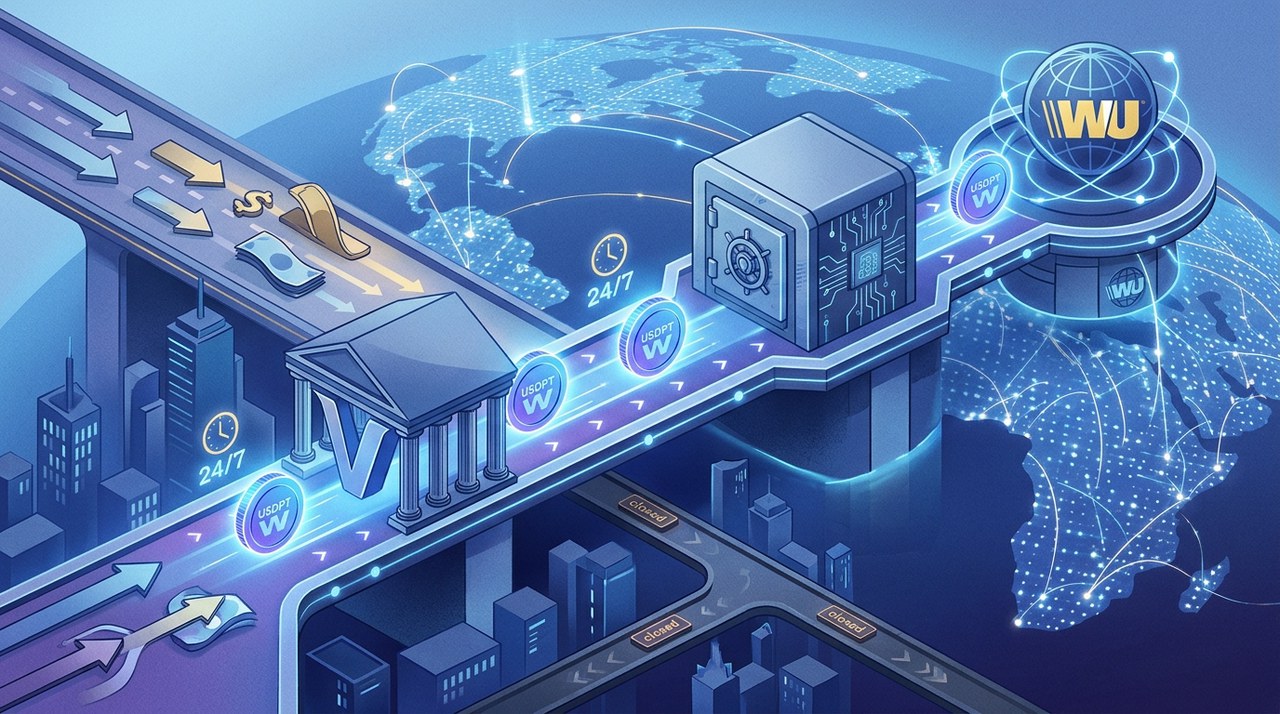
Visa Integrates Western Union USDPT Stablecoin via Anchorage
Visa has partnered with Anchorage Digital Bank to support Western Union's USDPT stablecoin for continuous native payment settlements on Visanet.
|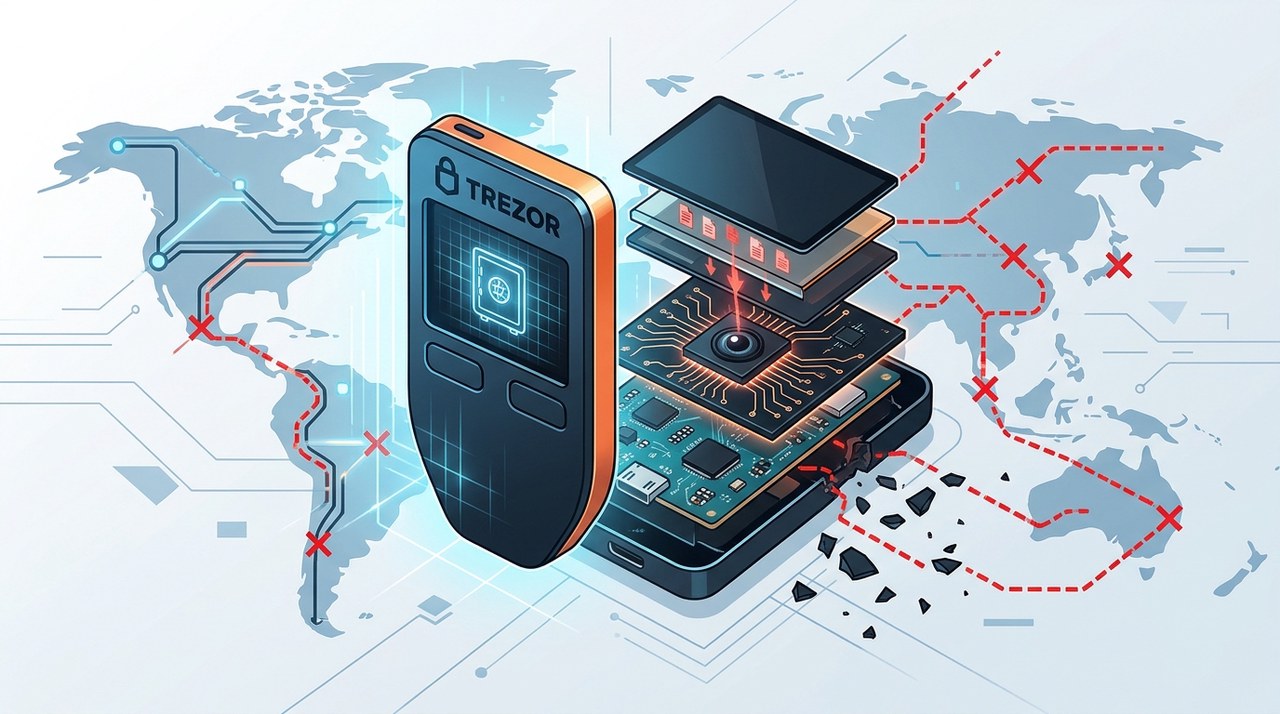
Trezor Finds Implants in 3 Wallets, Cuts Sellers 80%
Trezor confirmed unauthorized hardware implants in three Safe 5 devices, released firmware 2.13.1, and cut its reseller network by 80%.
|

Maple Finance Strategy Rift Triggers Executive Exits
Maple Finance co-founder Joe Flanagan and COO Ryan O'Shea are stepping down over strategic differences as the SYRUP token declines despite revenue growth.
|