
HKMA Launches Digital Platform for Tokenized Debt

HKMA Launches Digital Platform for Tokenized Debt Securities
The Hong Kong Monetary Authority (HKMA) has taken a significant step in financial innovation by officially launching a new digital asset platform built for tokenized debt securities. This infrastructure aims to streamline bond issuance and settlement using distributed ledger technology.
Major Financial Institutions Join as Initial Direct Participants
The new platform opens with immediate support from prominent global and regional financial institutions. A total of ten banks are acting as the first direct participants on the network.
- HSBC
- Standard Chartered
- Bank of China (Hong Kong)
- DBS
- Six additional partner banks
Together, these ten institutions provide the liquidity, operational scale, and institutional backing needed to establish the platform as a core component of digital bond issuance in Asia.
Understanding Tokenized Debt Securities
To understand the significance of this development, it helps to break down how tokenization transforms standard debt instruments like government or corporate bonds.
In traditional bond markets, issuing and transferring debt involves complex manual processes, clearing houses, and paper-heavy workflows. Tokenization creates digital tokens representing debt ownership directly on a blockchain or distributed ledger system.
This technology offers several practical advantages for financial markets:
- Faster Settlement: Transactions can settle near-instantly, reducing settlement risk.
- Increased Operational Efficiency: Automated workflows via smart contracts cut down administrative overhead.
- Greater Transparency: Asset issuance and transfer records are securely stored on immutable ledgers.
- Fractional Ownership: Tokenized bonds can be split into smaller denominations, increasing market access.
Hong Kong's Strategy for Real-World Asset Tokenization
The HKMA launch aligns with Hong Kong's ongoing effort to solidify its status as a regulated global digital asset hub. By providing institutional infrastructure for real-world asset (RWA) tokenization, the territory encourages institutional adoption within a clear supervisory framework.
Market Context and Risk Factors
While tokenization brings technical advancements to capital markets, financial institutions still face challenges such as system interoperability, cyberCYBER-10.00% security management, and evolving legal frameworks across jurisdictions.
Investors should note that financial market innovations and digital asset initiatives carry technical and operational risks. Historical developments and past performance of digital assets or financial tools do not guarantee future outcomes.
Latest blog posts


Revised Bitcoin Power Law Model Sets Baseline at $99,000
A revised Bitcoin Power Law model uses quantile regression to estimate a fair value baseline near $99,000, offering a lower projection than traditional models.
|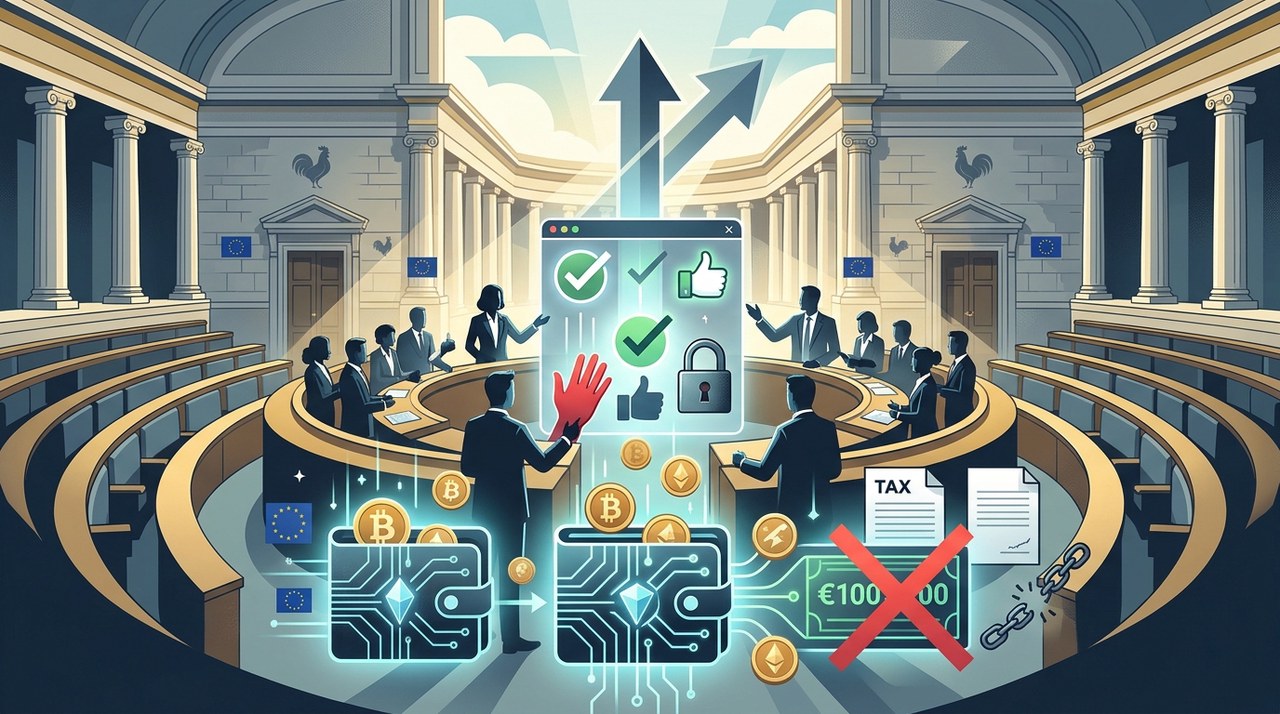
French Senate Rejects Strict Crypto Wallet Disclosure Plan
French lawmakers have voted down proposed rules on crypto wallet disclosures, stablecoin taxes, and exit levies in ongoing budget talks.
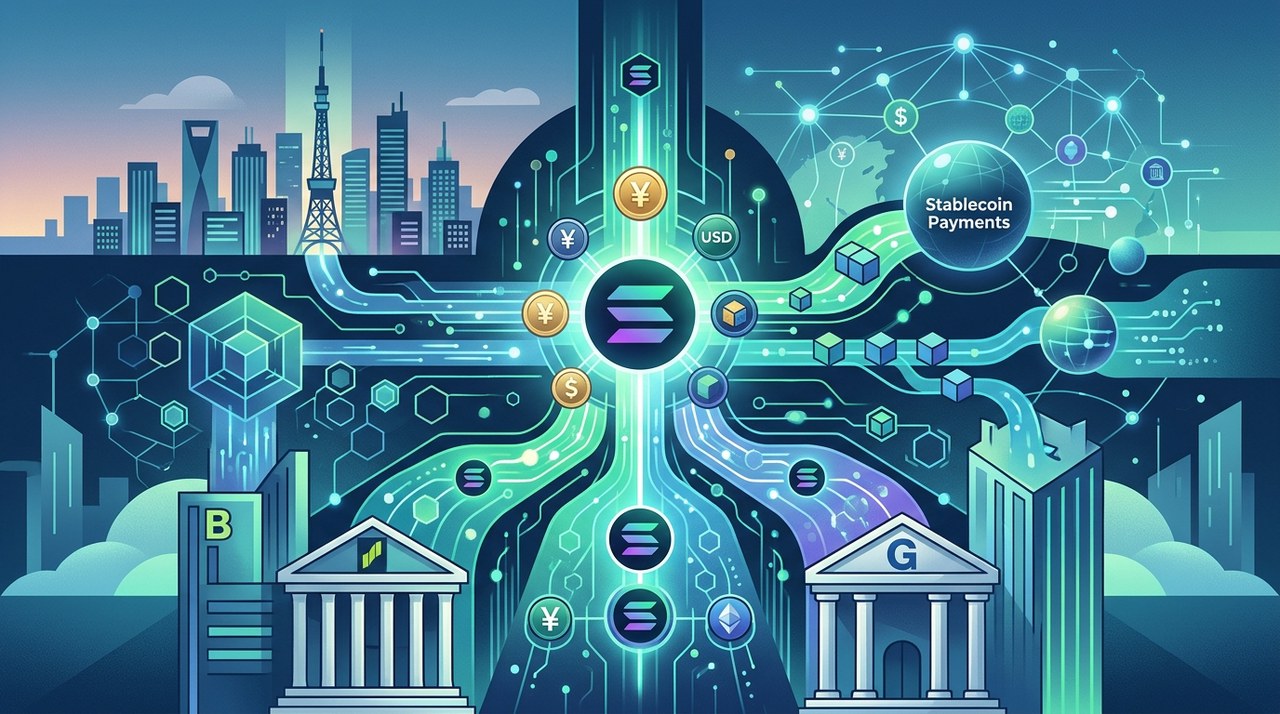

SBI and SMFG Launch Solana Joint Venture for Tokenization
Japanese financial giants SBI and SMFG partner to launch a Solana-based venture for stablecoin payments and asset tokenization.
|