


Is 1,500 TPS Enough? XRP Expert Explains Scaling Roadmaps
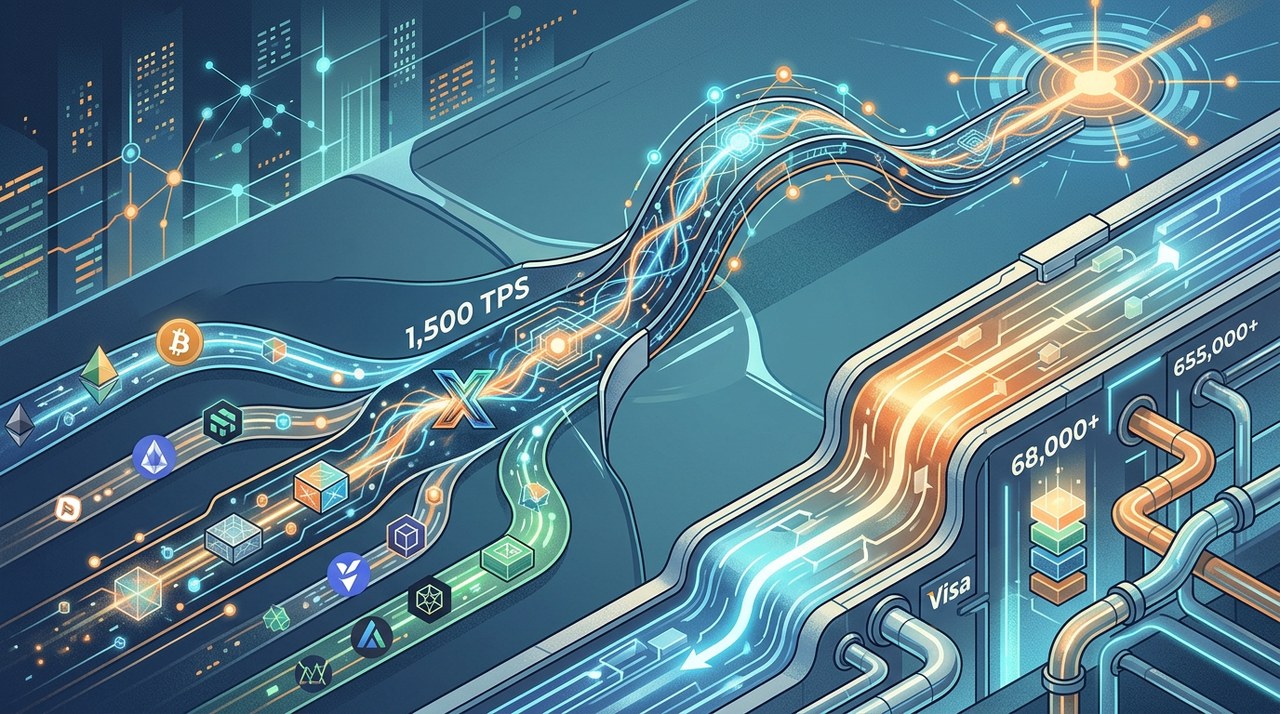
A recent online discussion has reignited debate over blockchain transaction speeds and how decentralized networks compare to traditional payment giants like Visa.
Crypto observer 'Minus Wells' sparked the conversation on X, stating that 1,500 transactions per second (TPS)—or even 5,000 TPS—will not be enough to power the future of global finance.
For context, while Visa's network boasts a theoretical capacity of 65,000 to over 83,000 TPS, its actual daily traffic averages around 8,100 to 8,500 TPS.
How Layer-1 Blockchains Compare
The topic quickly caught the attention of the XRPXRP+0.00% community, as the XRP Ledger currently processes about 1,500 TPS on commodity hardware.
Wells clarified that his observation was not an attack on any single network. He pointed out that many major projects have posted operational or test results under 5,000 TPS, including:
- XRP Ledger (XRPL)
- Avalanche
- StellarXLM-0.57%
- TezosXTZ+0.18% Layer-1
- CardanoADA-0.92% (Leios experiments)
- OP MainnetOP-0.88% (swap tests)
He posed a fundamental question for the industry: can existing blockchain infrastructure scale fast enough to support real-world financial demand?
Scaling Beyond Layer-1 Settlement
Hussein Zangana, known in the community as 'Vet' and serving as Director of Community at the XRP Ledger Foundation, responded that network scaling is a progressive journey.
Vet explained that not every single transfer needs to be settled directly on the base layer in seconds.
Instead, payment channels and upper-layer protocols like Dassie (Interledger) are far better suited for handling high-volume daily micro-payments.
Institutional Batching and Future Tech
To address institutional needs, the XRP Ledger activated a batching feature on its mainnet in October 2026. This allows multiple transactions to be grouped together and settled simultaneously.
According to Vet, batched institutional settlements already offer major efficiency improvements compared to legacy financial systems.
He also mentioned growing interest from traditional payments, noting that Mastercard plans to explore more hackathons with the XRP Ledger following a successful event at Swell that combined XRPL and artificial intelligence.
The Role of AI in Blockchain Growth
Looking ahead, Vet expects layer-1 network speeds to increase significantly as developers integrate artificial intelligence to optimize throughput.
"I strongly believe we'll scale the L1s very sharply, not only XRPL, thanks to AI helping us to advance this tech even further. We are continuously pushing throughput higher and there is a lot of potential for significantly more," Vet shared.
While technological advancements continue to expand network capacity, market participants should remember that underlying protocol upgrades and market adoption carry inherent technical and market risks.
Latest blog posts


 +2
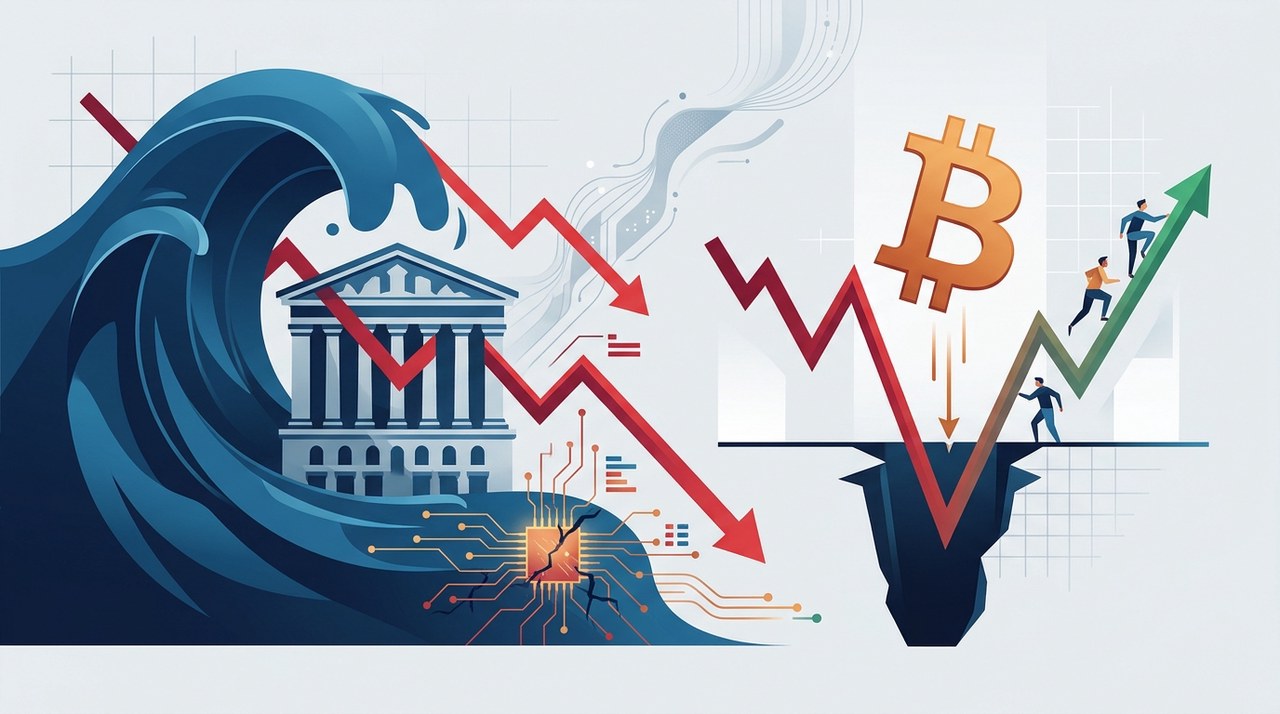
Blue Wave, Red Week: Global Markets and Crypto Dynamics
A friendly breakdown of how U.S. midterm elections, stock market swings, and crypto security updates shaped the week.
|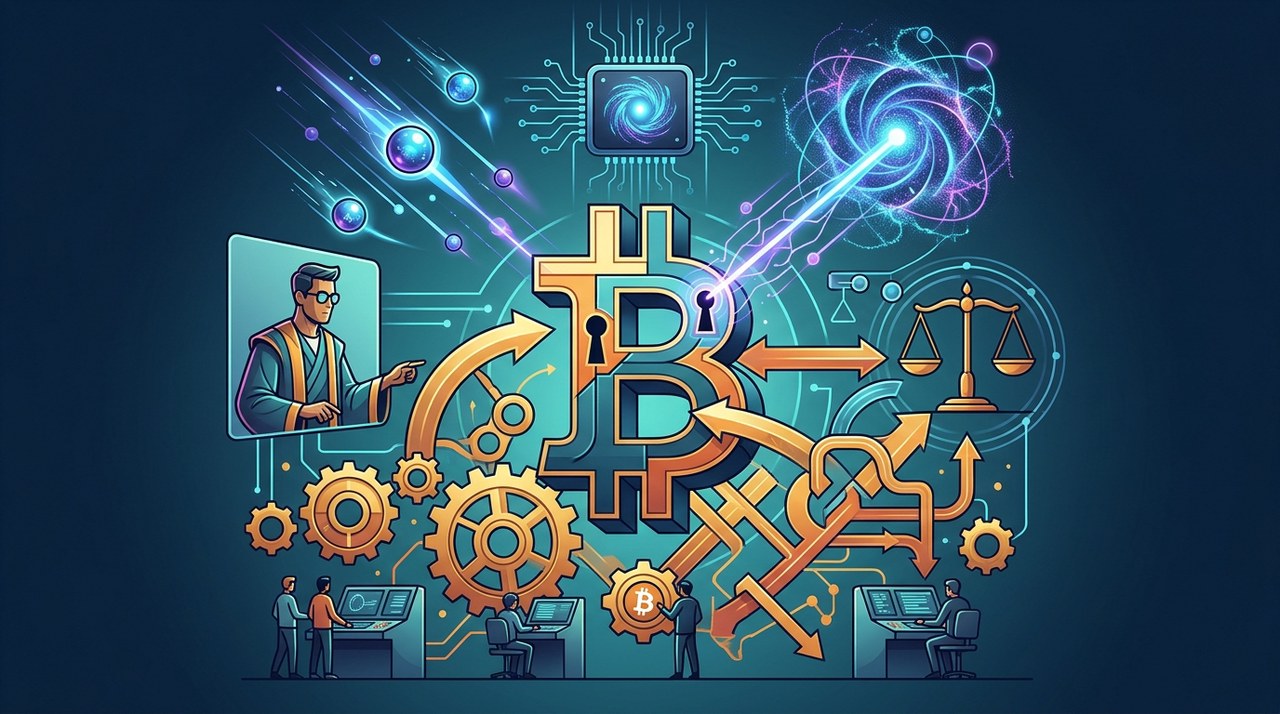
Bitcoin Developer Proposes Strategy to Neutralize Quantum Threat
A new proposal by Bitcoin developers uses game theory and cryptographic updates to make quantum computing attacks economically unviable for hackers.
|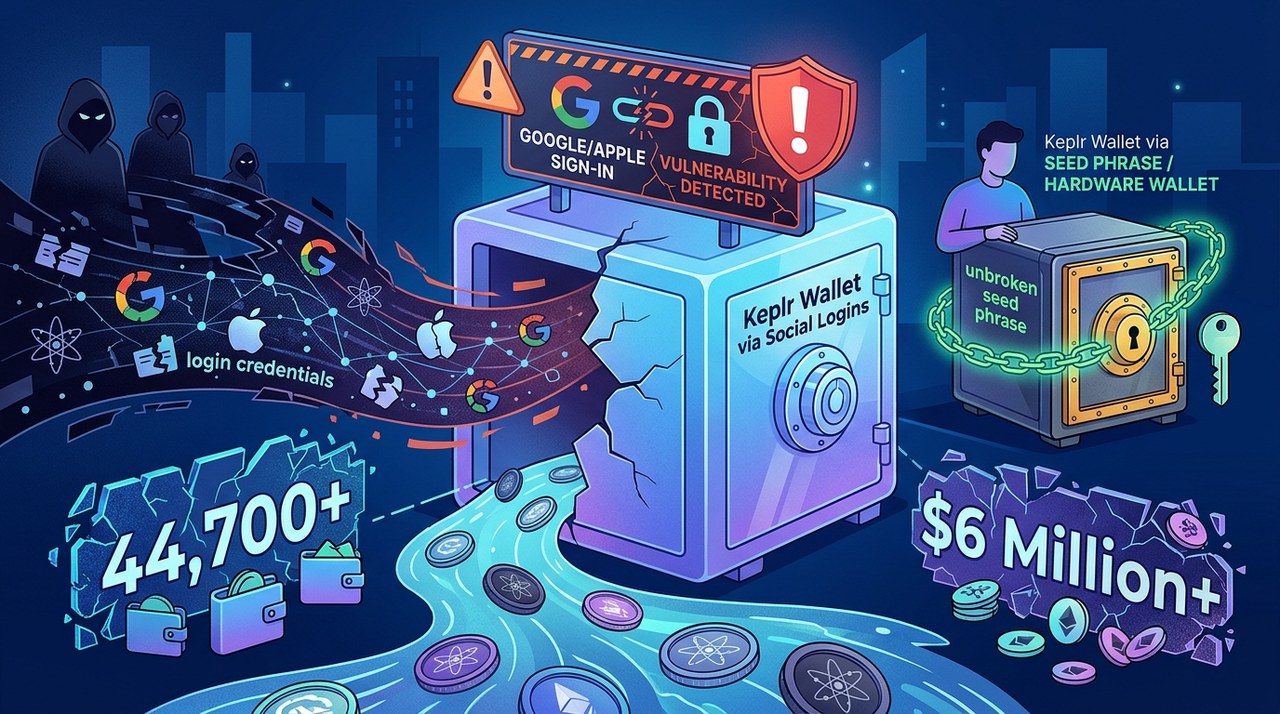


Keplr Wallet Hack Impacts Google and Apple Login Users
A security vulnerability in Web3Auth infrastructure affected Keplr users who created wallets via social logins, prompting a rescue operation to secure funds.
|