
House Committee Advances Strategic Bitcoin Reserve Bill
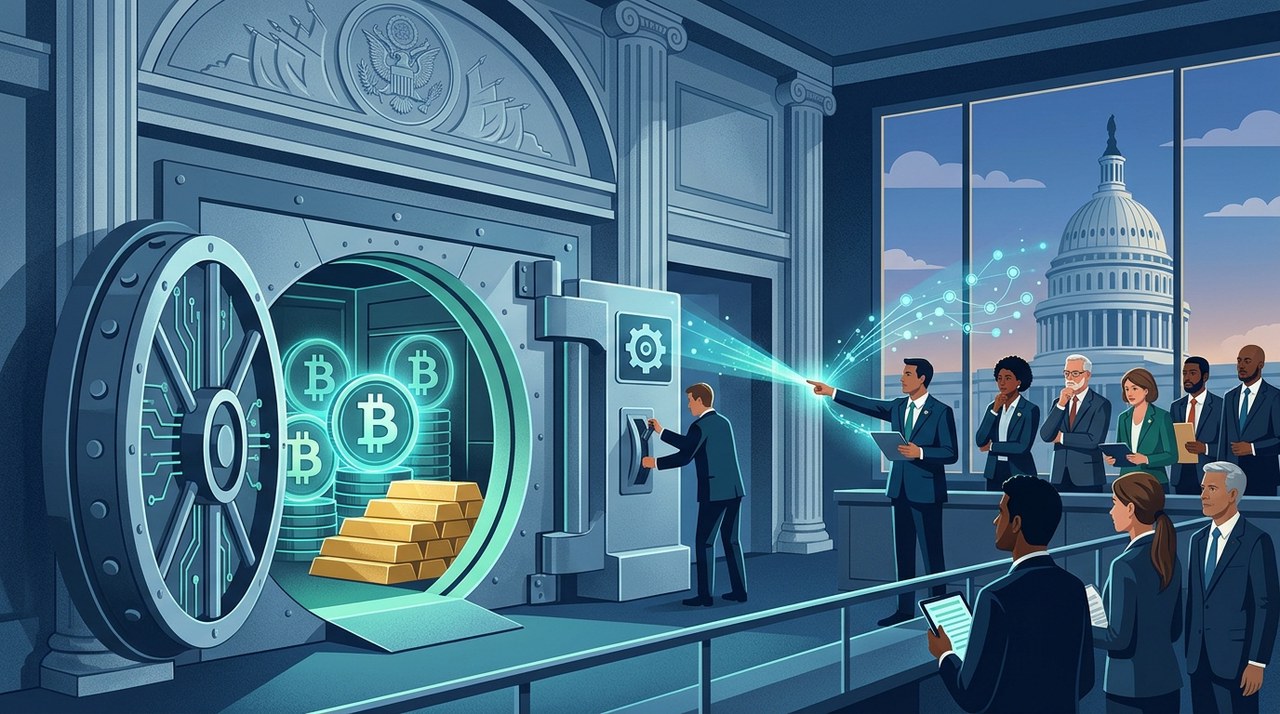
Key Highlights of the BitcoinBTC+2.34% Reserve Bill
A key United States House Committee has voted to advance a proposed bill to create a Strategic Bitcoin Reserve.
While this represents a significant legislative step, the bill faces an uphill battle against time.
The current 119th Congress is expected to adjourn in the coming weeks. That leaves very little time for full passage before the legislative session comes to an end.
Understanding the Strategic Bitcoin Reserve Proposal
Think of national financial reserves like a country's emergency savings account. Governments typically store gold, national currencies, or treasury bonds to stabilize their financial standing.
A Strategic Bitcoin Reserve would work in a similar way. Under this framework, the U.S. government would purchase or hold Bitcoin as a formal reserve asset.
Proponents argue that holding digital assets could modernize national reserves. However, public policy experts note that holding volatile assets brings unique risk factors.
Why Is the Legislative Path So Narrow?
Passing law in the United States usually requires multiple steps across both legislative chambers.
Because the 119th Congress is nearing its final weeks before adjournment, time is running short.
- Committee Approval: The bill must clear committee reviews, which has just taken place.
- Full House Vote: The entire House of Representatives must debate and vote to approve the text.
- Senate Approval: The bill must pass through the U.S. Senate with majority support.
- Presidential Signature: The President must sign the bill into law before Congress officially adjourns.
If the legislative session ends before all these steps conclude, the bill will expire. Lawmakers would then have to restart the entire process in the next session.
Potential Market Impact and Risk Outlook
Government policy news frequently influences digital asset markets and investor sentiment.
If Congress were to pass the bill while macroeconomic conditions remain stable, institutional confidence in digital assets might increase.
Conversely, if the bill stalls out due to time constraints or encounters political opposition, short-term market momentum could easily cool down.
Investors should evaluate these regulatory developments carefully. Past performance of digital assets is not an indicator of future results. You can stay updated on market trends by visiting Bitkub Market.
Latest blog posts
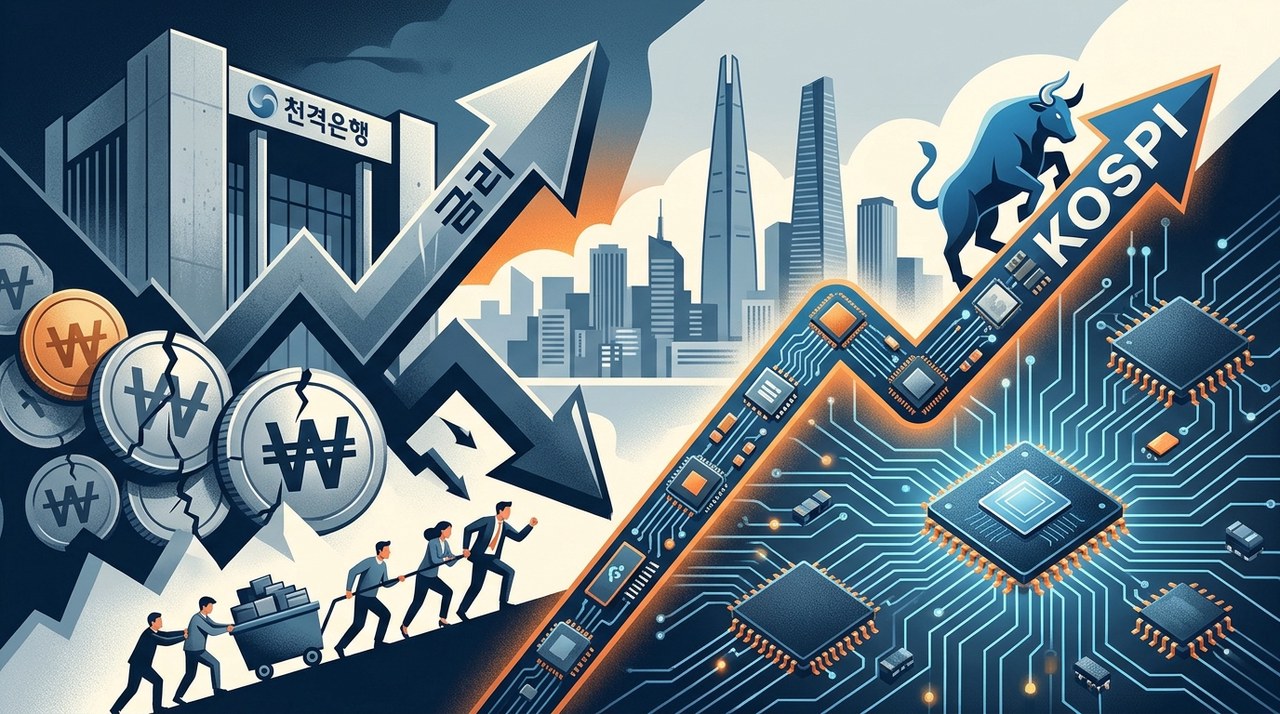
Bank of Korea Rate Hike: Can Microchips Save KOSPI?
The Bank of Korea raised interest rates to 3.25% as inflation lingers, while major chipmakers continue to drive South Korea's market sentiment.
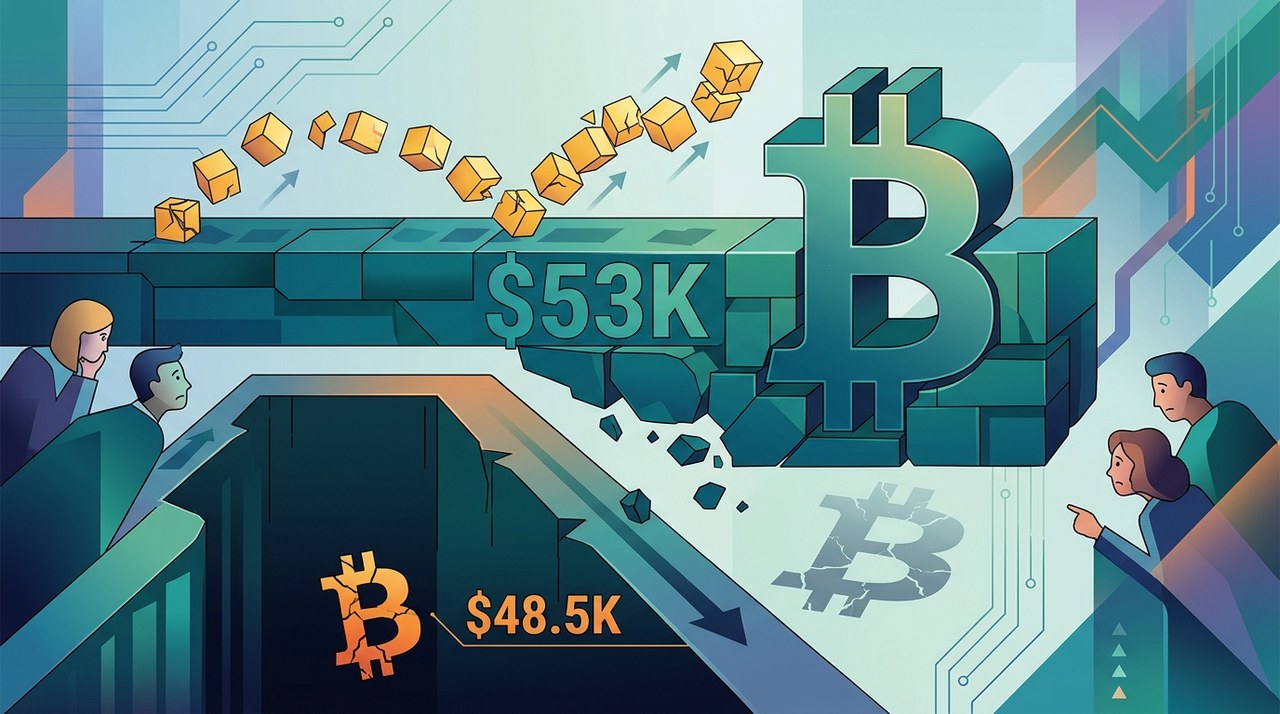

Bitcoin Could Drop to $48.5K If $53K Level Fails
A strategist from 21shares highlights $53,000 as Bitcoin's key support line, outlining conditions for potential downside risks and year-end recovery.
|

LayerZero Taps Samsung Card and Kakao Pay as Validators
LayerZero has added Samsung Card, Kakao Pay, and ZAN as validators for its upcoming ZK-powered Zero blockchain.
|