Grvt Launches RWA Perpetuals Linked to Traditional Finance

A New Bridge Between Commodities and Crypto
Crypto platform Grvt has officially introduced a new financial product called Stable Funding Perps.
This new offering spans seven distinct commodity markets, bringing real-world asset trading onto the blockchain.
The main technical highlight of this launch is how the funding rates are determined for traders.
How Grvt Links Funding Rates to Traditional Markets
Standard crypto perpetual futures calculate funding rates based on internal order book imbalance.
When retail leverage leans heavily in one direction, funding rates can become volatile and unpredictable.
Grvt changes this model by directly tying funding rates to the actual borrowing and financing costs of institutional market makers.
This approach aligns on-chain commodity derivatives more closely with real-world institutional pricing structures.
Understanding Real-World Asset (RWA) Perpetuals
Perpetual futures are derivative contracts that let traders speculate on price movements without an expiration date.
Real-World Assets, or RWAs, represent traditional physical assets like gold, oil, or metals brought onto a blockchain.
Combining these two concepts allows market participants to trade commodity price movements using decentralized technology.
Why Market Maker Financing Costs Matter
Market makers provide liquidity by constantly quoting buying and selling prices for assets.
In traditional commodity markets, holding large positions requires working capital and incurs interest expenses.
By basing on-chain funding rates on these real institutional financing costs, Grvt aims to deliver more consistent rate structures.
Seven Commodity Markets Covered
Grvt's initial rollout covers seven separate commodity asset markets.
This expansion provides crypto traders with opportunities to diversify exposure across traditional economic sectors.
It gives users access to macro commodity trends within a single digital trading environment.
Important Risk Considerations
Trading perpetual futures carries high risk due to financial leverage and market volatility.
Commodity prices are driven by complex global supply chains, economic reports, and geopolitical events.
Traders should evaluate their individual risk tolerance and understand derivative mechanics before participating.
Latest blog posts
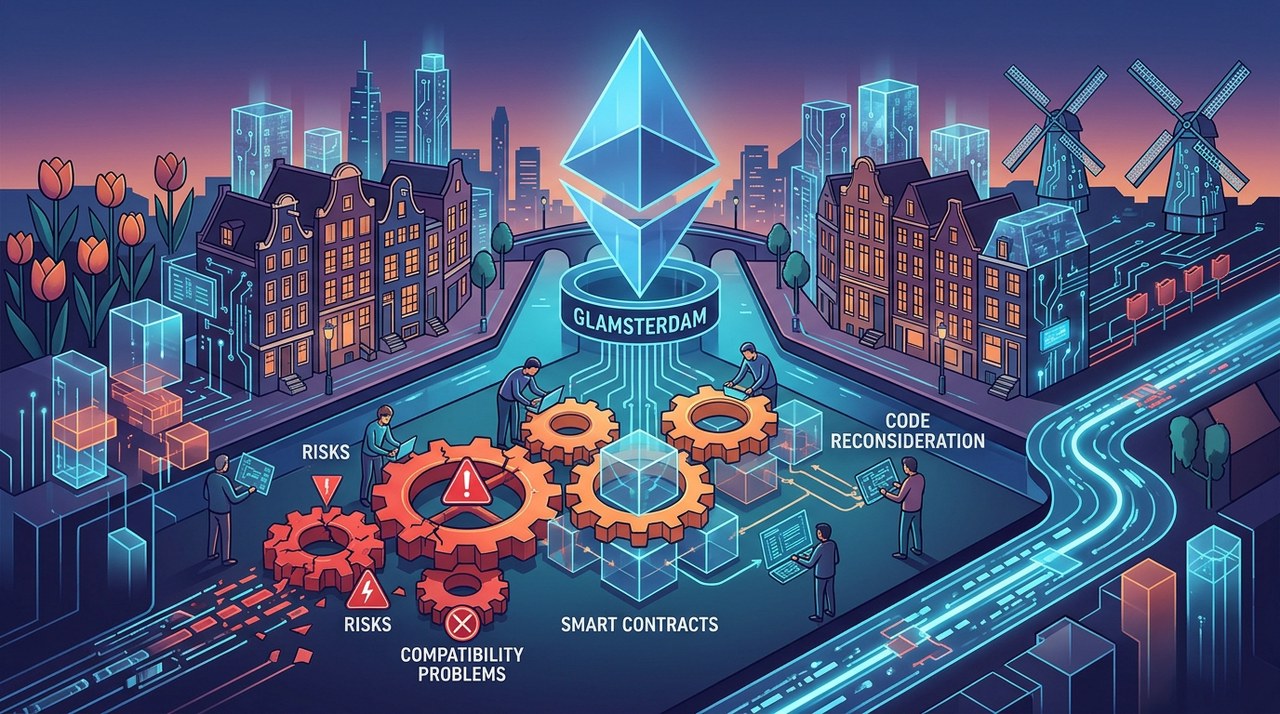

Ethereum's Glamsterdam Upgrade: Devs Address Smart Contract Risks
Core Ethereum developers are meeting Thursday to review the Glamsterdam upgrade after audits revealed potential compatibility issues for thousands of automated apps.
|
Avenia Secures $25 Million in Series A Extension
Stablecoin platform Avenia raised $25 million in a Series A extension led by Lightspeed Faction, bringing total funding to $44.6 million.
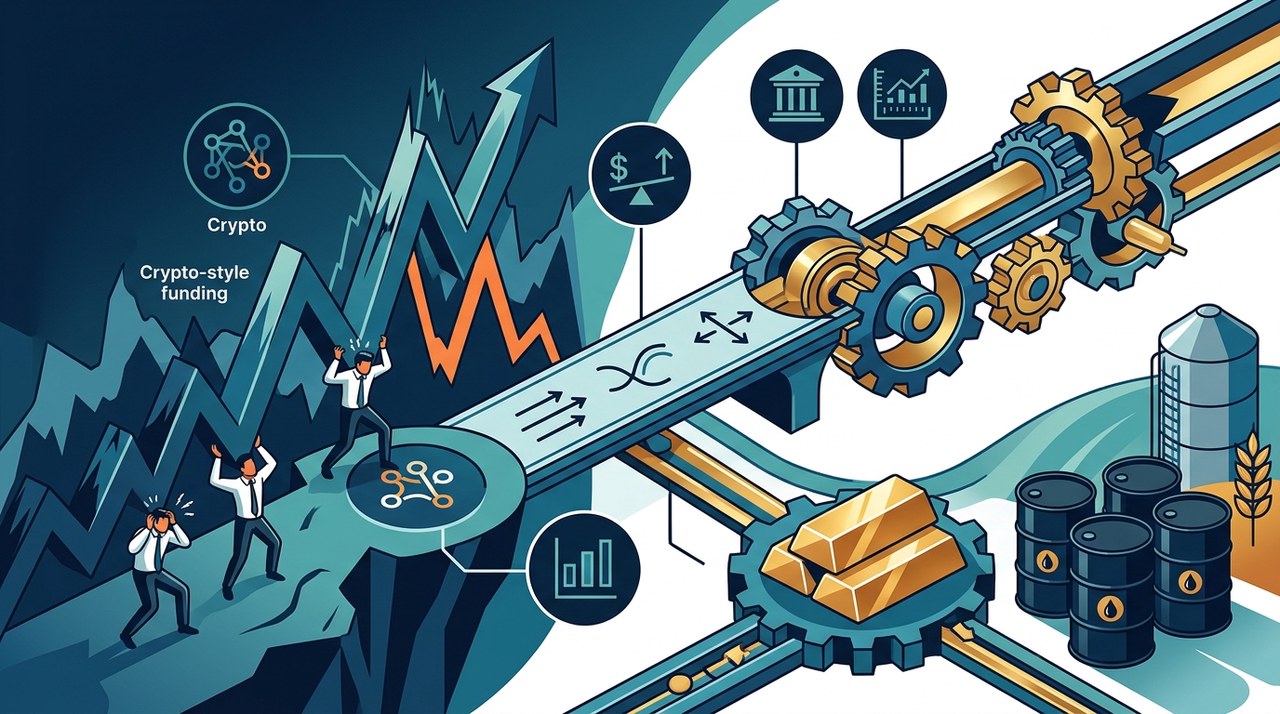

GRVT Launches Stable Funding Perps for Commodity Trading
GRVT has introduced Stable Funding Perps, linking commodity perpetual contract costs to traditional interest rates rather than volatile crypto funding fees.
|