

Gnosis Pay Breach Exposes Card Numbers and Wallets
What Happened in the GnosisGNO+0.00% Pay Data Leak?
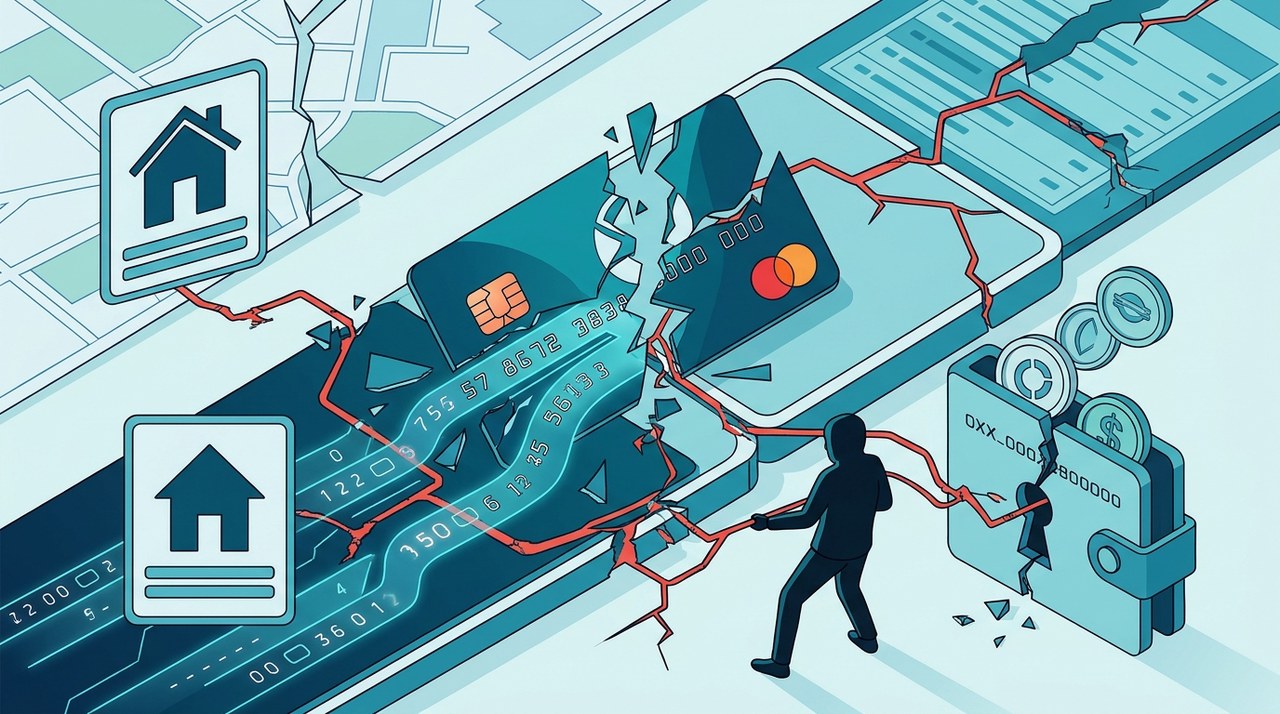
A recent security incident involving Gnosis Pay has exposed sensitive personal information belonging to cardholders.
The compromised information includes payment card numbers, home addresses, and public crypto wallet addresses.
One affected user reported that the breach directly connected his physical home address and card details to every crypto wallet linked to his Gnosis Pay account.
Why Linking Personal Data to Crypto Wallets Is Dangerous
In traditional banking, a data leak exposes transaction records or credit card details to malicious actors.
In the blockchain space, however, public network ledgers display asset balances openly for anyone to see.
When attackers connect a physical street address to a public wallet, they gain visibility into the user's total on-chain wealth.
One user said the exposed data tied his home address and card number to every crypto wallet linked to his account, raising the risk of targeted scams.
Key Security Risks Facing Impacted Users
When identity records merge with public wallet histories, users face several distinct cyberCYBER-13.82% security threats:
- Spear Phishing: Attackers can send highly specific emails citing real names, addresses, and exact account balances to gain trust.
- Physical Security Threats: Exposing physical addresses along with substantial crypto holdings raises potential safety risks.
- Targeted Exploits: Scammers can monitor exposed wallet addresses for high-value transactions and send deceptive approval requests.
Understanding Gnosis Pay and GNO
Gnosis Pay is designed as a bridge between traditional payment rails and self-custodial web3 wallets.
The service allows users to spend digital assets directly at Visa payment terminals using funds stored in smart contract wallets.
The ecosystem is connected to the GNO ecosystem token, which supports governance and network validation across Gnosis infrastructure.
Please note that past performance of digital assets such as GNO is no guarantee of future returns. Market details can be viewed on platforms like Bitkub Market.
Steps Users Can Take to Protect Themselves
If you suspect your information was exposed, taking proactive security measures can help mitigate future risks.
- Migrate Assets to Unlinked Wallets: Consider moving long-term crypto holdings to brand new seed phrases unassociated with card services.
- Revoke Approvals: Check smart contract permissions on security tools to remove unused allowance authorizations.
- Remain Vigilant Against Phishing: Avoid clicking links in sudden communications claiming to be from payment card providers or wallet platforms.
Latest blog posts

MicroStrategy Wants a Bitcoin Bank, but You Can Run Your Own
Strategy aims to build a global Bitcoin bank, even as data shows the entire blockchain still fits on a single standard hard drive.
|
Spot Bitcoin ETFs Suffer $1.28B Outflows in Heavy Week
US spot Bitcoin ETFs recorded $1.28 billion in net outflows over the past week, marking their worst performance since June as BlackRock's IBIT led Friday's exits.
|

AI Chip Stocks Rebound: Is the Sector Bubble Bursting?
AI chip stocks like Nvidia rebounded after a recent global market sell-off, raising questions about valuation limits and future growth.
|