French Hill's Race Too Close to Call as House Control Shifts
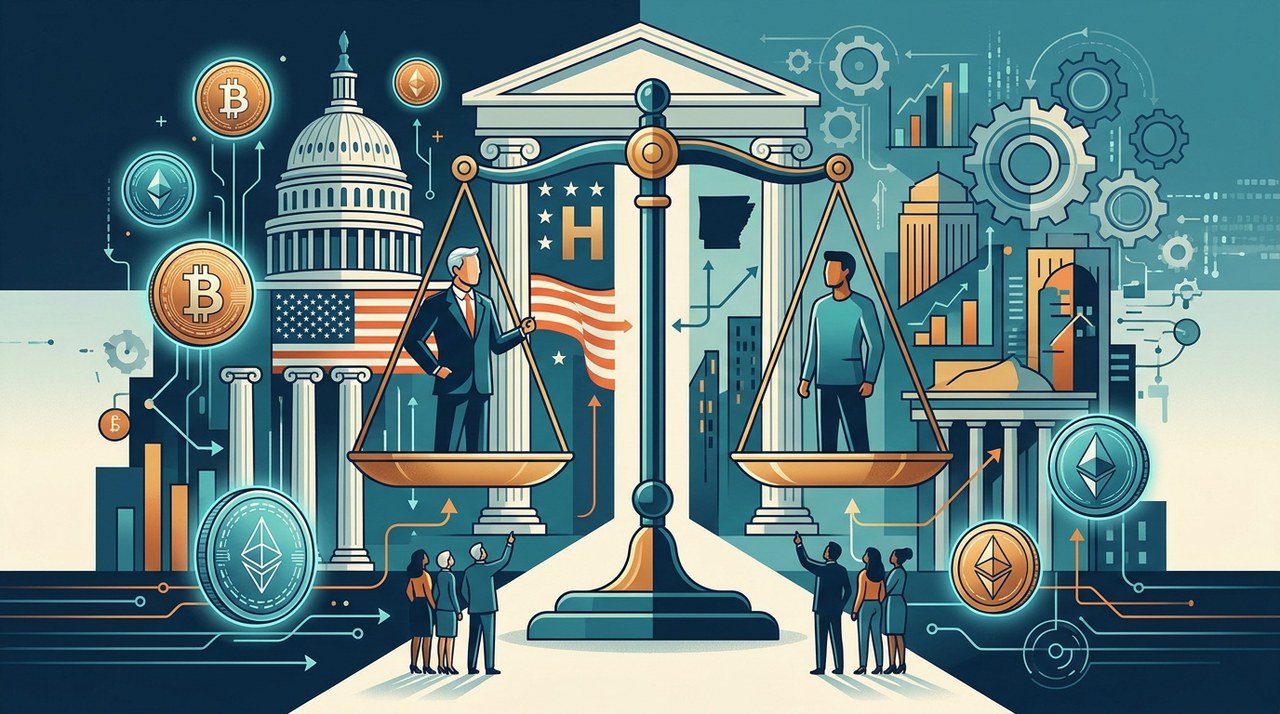
French Hill's Reelection Race Remains Unresolved
As of Wednesday afternoon, the reelection race for Representative French Hill remains too close to call.
Hill, a Republican representing Arkansas's 2nd Congressional District, faces an unexpectedly tight contest in his reelection campaign.
While local congressional elections usually focus on regional matters, this specific race carries significant weight for the financial technology and digital asset industries.
To understand why crypto market participants are closely following an Arkansas district vote, it helps to examine Hill's influential role on Capitol Hill.
Who Is Representative French Hill?
Representative French Hill is a veteran lawmaker with deep experience in banking, commercial finance, and national economic policy.
Before joining Congress in 2015, Hill founded and served as chief executive officer of Delta Trust & Bank based in Little Rock, Arkansas.
Earlier in his career, he served as a senior official at the U.S. Department of the Treasury and served on the White House Economic Policy Council under President George H.W. Bush.
During his time in the House of Representatives, Hill focused heavily on banking oversight, capital markets, and financial innovation.
Most notably, Hill served as Chairman of the Subcommittee on Digital Assets, Financial Technology, and Inclusion under the House Financial Services Committee.
In this leadership role, Hill played a pivotal part in drafting statutory proposals for stablecoins and digital market structure.
The Contest for House Financial Services Committee Leadership
The House Financial Services Committee is one of the most powerful committees in the United States Congress.
The committee oversees banking institutions, Wall Street firms, federal financial regulatory agencies, and the Federal Reserve System.
Earlier this year, current Committee Chairman Patrick McHenry announced his intention to retire from public office at the end of his term.
Following McHenry's announcement, Representative French Hill emerged as a front-runner to succeed him as committee chair.
Hill's platform focused on expanding capital access for small businesses, modernizing financial infrastructure, and passing clear federal laws for digital assets.
However, with Hill's election race remaining uncalled, the future leadership of this crucial financial committee remains uncertain.
Major Crypto Bills Hanging in the Balance
Congressional leaders have worked extensively over the past two years to construct clear legal guidelines for digital assets in the United States.
These efforts focus on shifting U.S. regulatory policy away from isolated enforcement lawsuits toward predictable, statutory rules.
The FIT21 Market Structure Framework
The Financial Innovation and Technology for the 21st Century Act, commonly known as FIT21, is one of the primary legislative initiatives developed by the committee.
FIT21 aims to establish clear jurisdictional boundaries between the Commodity Futures Trading Commission (CFTC) and the Securities and Exchange Commission (SEC).
Under the proposed framework, digital tokens operating on fully decentralized blockchain networks would fall under CFTC regulation as digital commodities.
Tokens associated with centralized entities would remain under SEC supervision until specific decentralization thresholds are met.
The House passed FIT21 earlier this year with bipartisan support, but its long-term legislative path relies on strong committee guidance in the next session.
Payment Stablecoin Legislation
Lawmakers have also prioritized creating a national regulatory framework for payment stablecoins.
Stablecoins are digital tokens pegged to fiat currencies, primarily the U.S. dollar, facilitating rapid cross-border payments and trading liquidity.
Proposed stablecoin bills require token issuers to maintain 1-to-1 backing with liquid reserve assets, such as U.S. currency and short-term Treasury securities.
Establishing a federal stablecoin standard is intended to safeguard consumers while encouraging established institutions to integrate digital payment systems safely.
What Happens If Control of the House Flips?
Congressional elections determine which political party holds the majority in the House of Representatives.
When party majorities shift, leadership across all legislative committees changes accordingly.
If Democrats secure a House majority, senior Democrat Maxine Waters would likely reassume leadership of the Financial Services Committee.
A change in committee leadership would likely adjust legislative priorities regarding financial technology.
Democratic lawmakers frequently place heavier emphasis on consumer protection provisions, anti-money laundering requirements, and environmental considerations related to crypto mining.
Nevertheless, digital asset policy has gradually developed bipartisan collaboration, as members from both political parties recognize the need for legislative clarity.
Congressional Oversight of Regulatory Agencies
In addition to crafting legislation, the House Financial Services Committee performs ongoing oversight of federal regulatory bodies.
Committee members frequently summon regulatory leaders, including SEC Chair Gary Gensler, to address policy approaches, enforcement actions, and administrative rulemakings.
Committee leadership determines oversight agendas, hearing frequency, and priority topics for regulatory accountability.
The election results will directly influence how aggressively Congress monitors administrative actions toward digital asset firms over the next two years.
What This Means for Crypto Investors and the Industry
Regulatory clarity remains a major focus for blockchain technology developers and market participants in the United States.
Industry participants have pointed out that clear, statutory guidelines help foster local innovation, investment, and job growth.
Other jurisdictions, such as Europe through its Markets in Crypto-Assets (MiCA) framework, have established comprehensive rules for digital token service providers.
The outcome of key legislative races like French Hill's will help dictate the pace and structure of upcoming U.S. digital asset legislation.
Investors should keep in mind that shifting regulatory landscapes and political developments can lead to short-term market volatility across digital asset markets.
Past returns or past performance of digital assets do not guarantee future results.
Monitoring ongoing legislative developments provides valuable context as federal policies for digital assets continue to mature.
Latest blog posts


Bitcoin Miners Riot and Hut 8 Sell $1B in BTC Treasury
Bitcoin miners Riot Platforms and Hut 8 disclosed selling over $1 billion in Bitcoin to fund AI data centers and stock buybacks.
|

 +1
Trump-Linked Tokens Drop Following US Midterm Results
Official Trump and World Liberty Financial tokens fell on Wednesday following Democratic midterm victories, while Bitcoin and Ether rallied.
|
Riot Stock Surges on AI Deal as Hut 8 Drops on Revenue Miss
Bitcoin miner Riot sold BTC to fund a major AI lease expansion, while Hut 8 reported falling revenue and rising costs ahead of data center income.
|