Former CFTC Chair and DSA Discuss U.S. Crypto Rules
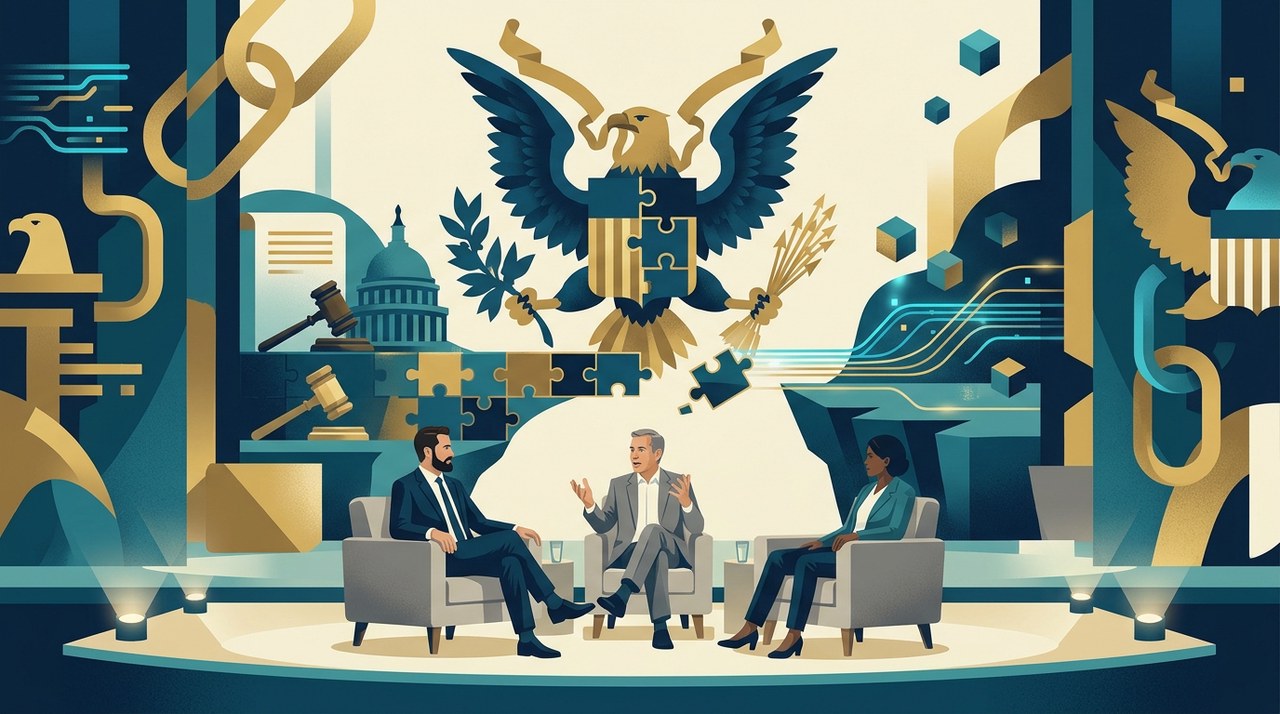
A Key Discussion at the Strobe Summit
Digital asset regulation in the United States is reaching a critical turning point. Recently, industry leaders gathered at the Strobe Summit to examine what lies ahead for digital asset policy and institutional adoption.
The featured discussion was titled "Crypto at a Crossroads: Regulation, Institutional Adoption, and the Future of Financial Markets." It was moderated by Adrian Wall, the Managing Director of the Digital Sovereignty Alliance (DSA).
Joining Wall was J. Christopher Giancarlo, the former Chairman of the Commodity Futures Trading Commission (CFTC) and founder of the Digital Dollar Project.
Balancing Existing Authority and New Laws
During the panel, Giancarlo explained that shaping U.S. crypto policy does not require building every framework from scratch. He noted that regulators like the CFTC already hold the authority to oversee market structure and exchange rules.
However, existing authority cannot address every scenario. Giancarlo emphasized that the U.S. Congress must step in to close remaining legal gaps.
The conversation also addressed the GENIUS Act and its broader implications. Giancarlo expressed concerns regarding user privacy, while noting that dollar-backed stablecoins could evolve into a continuous 24/7 global payment system.
Tackling DeFi, Derivatives, and 24/7 Trading
The discussion went beyond standard spot trading to look at complex financial instruments and decentralized protocols. Key topics included:
- Prediction Markets: Defining the CFTC's role in overseeing event-based contracts.
- Offshore Activity: Moving foreign derivatives trading back into regulated U.S. venues.
- 24/7 Trading: Adapting compliance frameworks for round-the-clock financial markets.
- DeFi Oversight: Creating accountability on decentralized platforms that operate without middle-men.
Both speakers stressed that future policies must focus on market integrity, customer asset protection, and cybersecurity while supporting innovation.
Getting the Regulatory Balance Right
Adrian Wall highlighted that effective clarity requires regulatory rules designed specifically for how digital asset technology functions in real life.
"Regulatory clarity requires more than new legislation. It requires rules that reflect how digital asset markets actually operate. The CFTC has existing authority to address important market structure questions, while Congress has a critical role in resolving regulatory gaps. Getting that balance right will determine whether the U.S. can bring more digital asset activity onshore, accelerate institutional adoption, and protect market participants without compromising innovation or financial privacy."
The Digital Sovereignty Alliance is a nonprofit focused on advancing research, education, and transparent policy for emerging technologies. Through events like the Strobe Summit, the organization works to foster balanced frameworks that connect digital assets with traditional financial infrastructure.
Latest blog posts
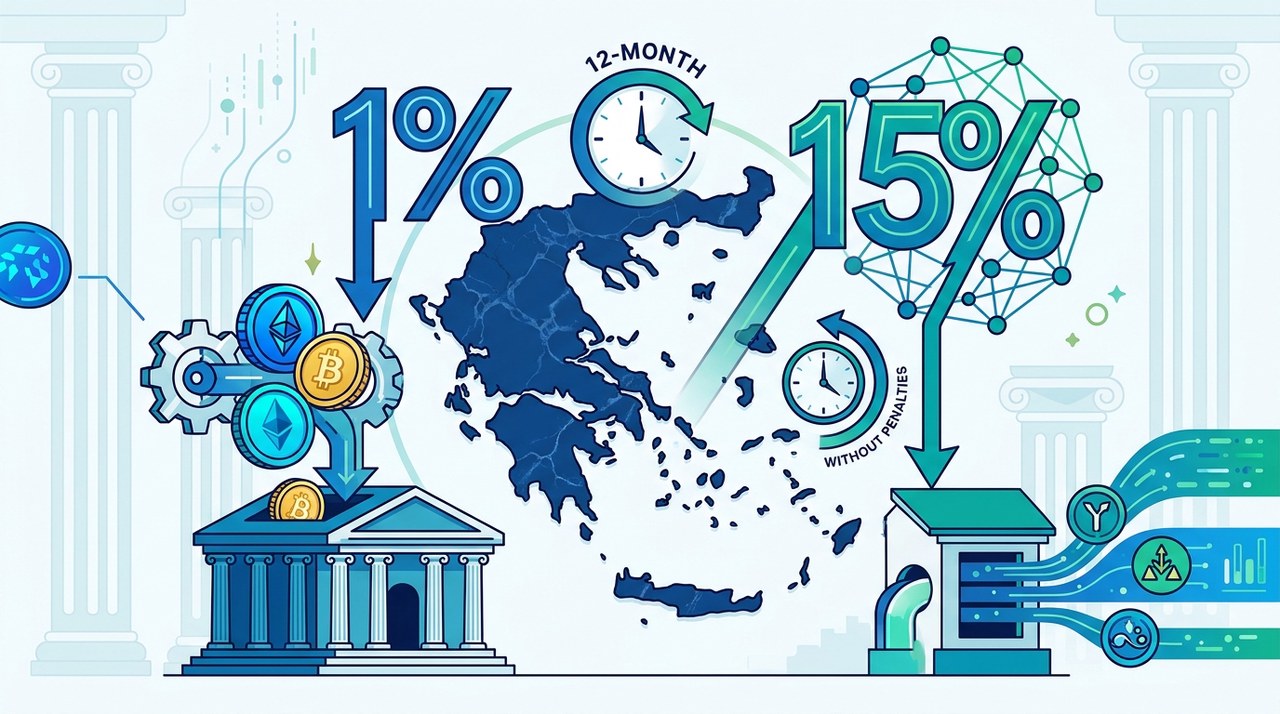


Greece Approves 10% Crypto Tax and 15% DeFi Levy
Greece has approved a 10% tax on crypto gains and a 15% levy on DeFi income, while offering a 12-month grace period for past filings.
|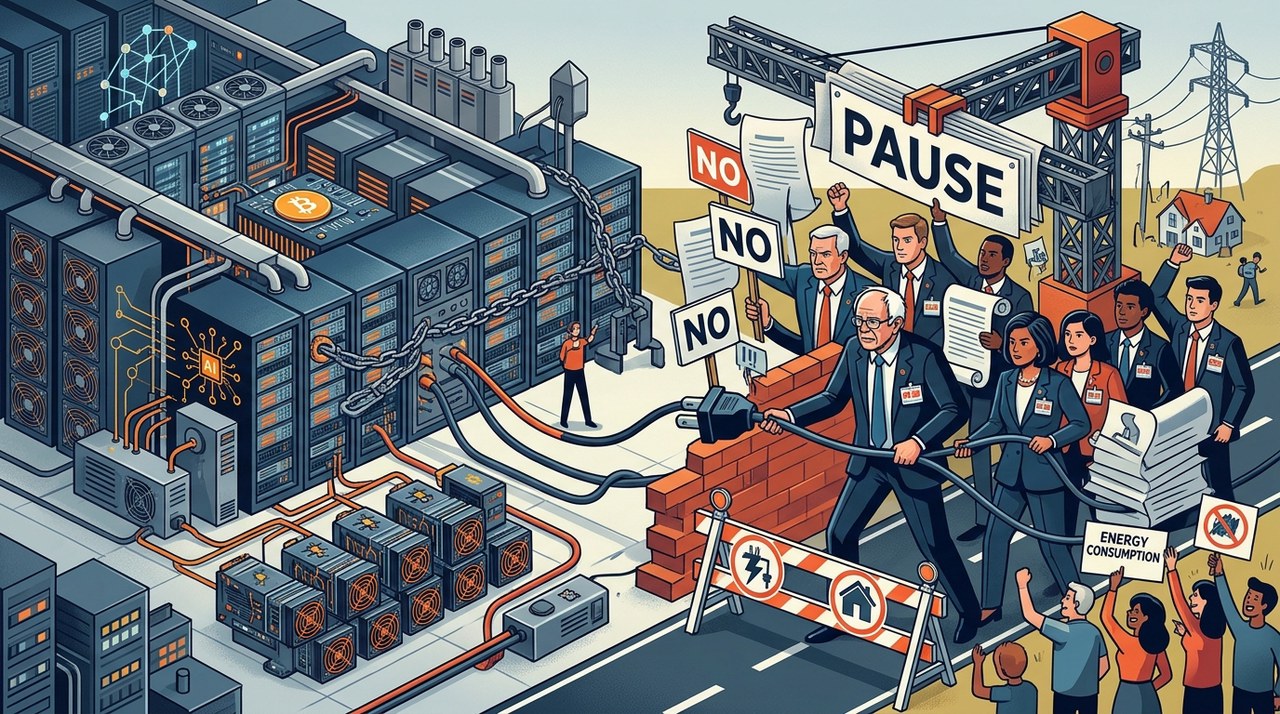

Democrats Target Data Centers: Impact on Bitcoin Miners
Political pushback against AI data centers in Texas and across the US creates new hurdles for Bitcoin miners shifting to AI hosting.
|
Bitcoin and Ether ETFs See $530M Outflows as Rally Pauses
US spot Bitcoin and Ether ETFs recorded $530 million in combined daily outflows on Thursday as Bitcoin dropped below $76,000 alongside a stock market pullback.
|