Fidelity: No Turning Back on Tokenized Onchain Future
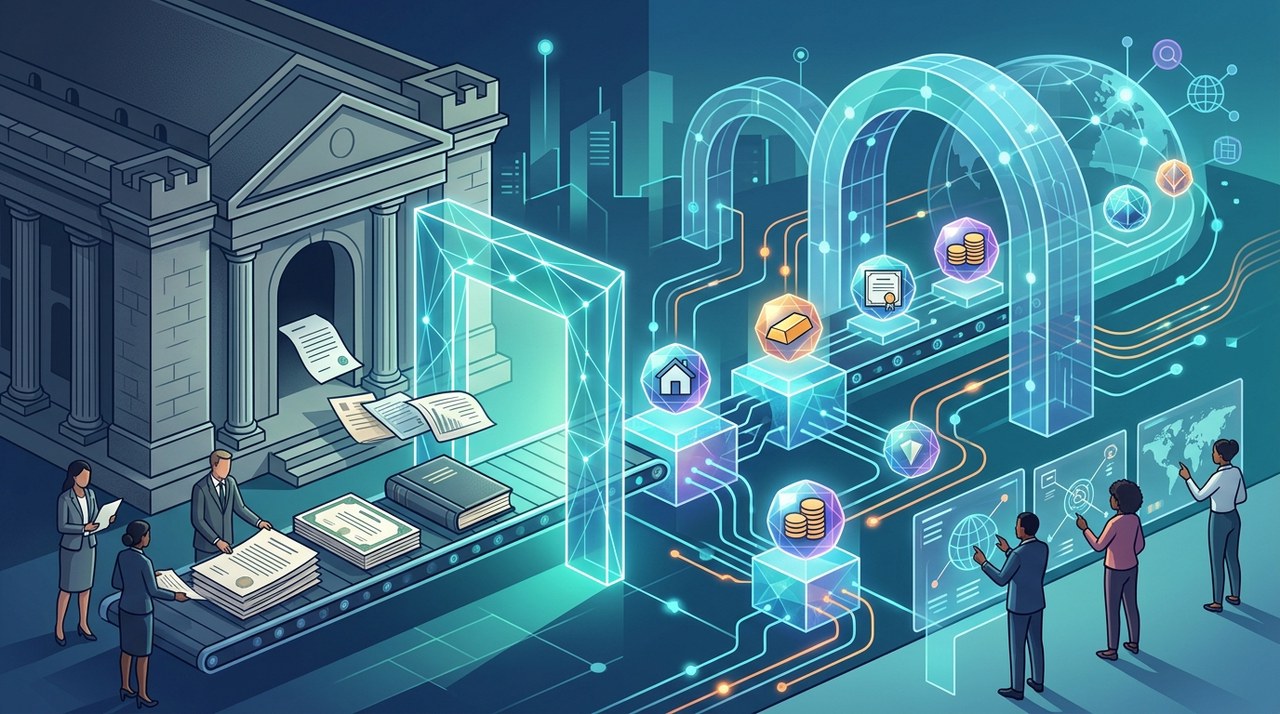
Fidelity Points to an Onchain Future
Financial institutions are steadily moving toward a blockchain-based future. According to Fidelity's head of digital asset strategists, there is simply no going back.
Tokenization is fundamentally changing how major asset managers view traditional finance. It offers key structural advantages while opening doors to entirely new global markets.
What Is Asset Tokenization?
Think of tokenization as creating a digital twin of a real-world asset on a blockchain ledger. It turns rights to an asset into a programmable digital token.
These assets can range from government bonds and corporate equity to physical real estate and commodities. Once tokenized, these units can transfer efficiently across digital networks.
Key Structural Advantages for Institutions
Traditional financial operations often rely on legacy systems that require manual processing. Onchain infrastructure replaces these slow steps with automated systems.
- Faster Settlement: Transactions can settle in real time rather than taking standard business days.
- Reduced Costs: Smart contracts automate trade clearing and administrative compliance tasks.
- Continuous Trading: Blockchain networks operate 24 hours a day, 7 days a week globally.
- Clear Transparency: Ownership records are publicly verifiable and tamper-resistant.
Reaching New Markets and Investors
Beyond operational efficiency, tokenization helps asset managers reach new audiences worldwide. It makes fractional ownership simple and practical.
High-value assets like commercial property or private funds can be split into smaller shares. This lowers the entry barrier for investors who previously could not access them easily.
Important Risks and Operational Hurdles
While structural advantages exist, moving major financial assets onchain brings specific challenges that demand careful management.
Regulatory frameworks surrounding tokenized securities remain uneven across global jurisdictions. Institutions must continuously adapt to evolving legal guidance.
Technical vulnerabilities also pose genuine risks. Code errors in smart contracts or unexpected network disruptions can impact asset security.
Market conditions still drive asset valuations. Tokenizing an asset improves operational handling, but it does not protect investments from underlying market volatility or liquidity shortages during downturns.
What This Means for the Financial Sector
The bridge between traditional finance and distributed ledger technology is growing stronger every day. Perspectives from established players like Fidelity show that blockchain is becoming core financial infrastructure.
As adoption progresses, market participants may enjoy lower operational friction and broader options. Staying informed about both the technological advantages and market risks remains essential.
Latest blog posts


 +2
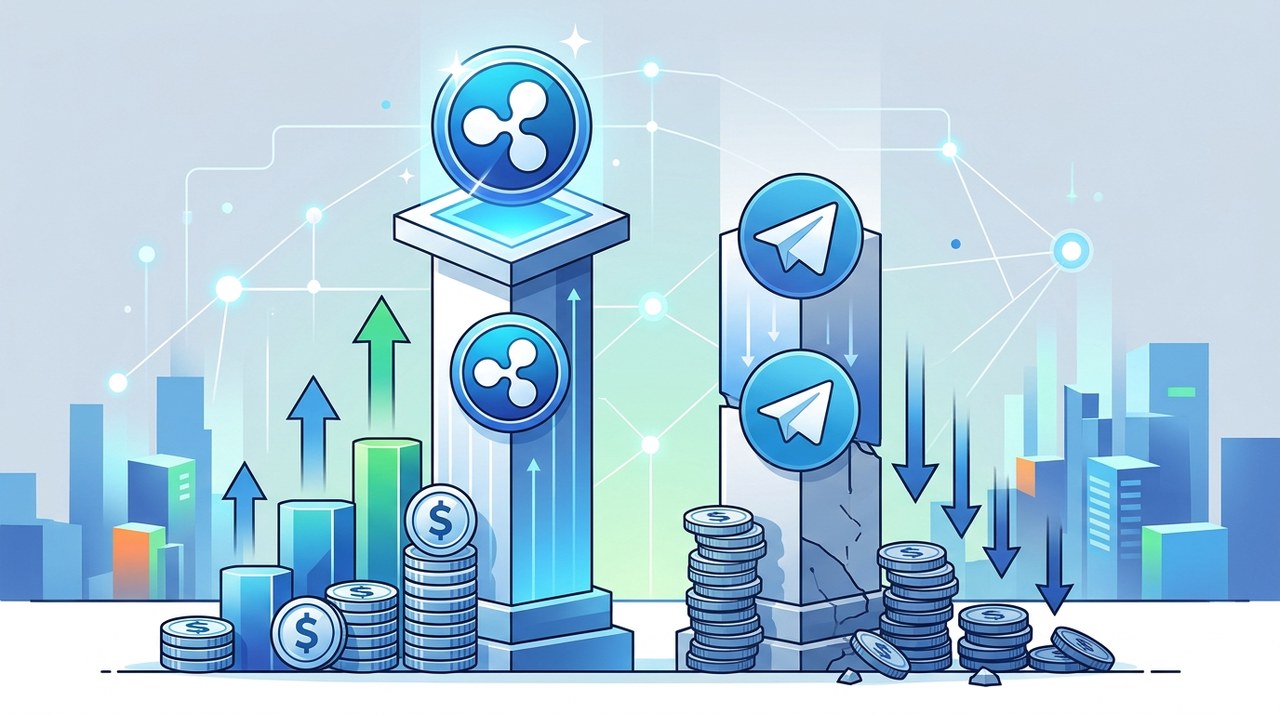
Ripple’s RLUSD Overtakes Telegram’s Gram in Crypto Rankings
Ripple's stablecoin RLUSD reached a $2.82 billion market cap, surpassing Telegram's Gram token as Gram's price dropped below $1.
|
Anchorage Digital Launches 61st Parallel Asset Management
Crypto custody firm Anchorage Digital is expanding its institutional reach by launching a standalone subsidiary called 61st Parallel Asset Management.



Bitcoin Hits Record 411-Day Bear Market as Holders Realize Losses
Grayscale views current Bitcoin levels as oversold after a 411-day bear market, even as long-term holders realize average losses of 33%.
|