

Ex-Mt. Gox CEO Warns Pump.fun Users on Key Security
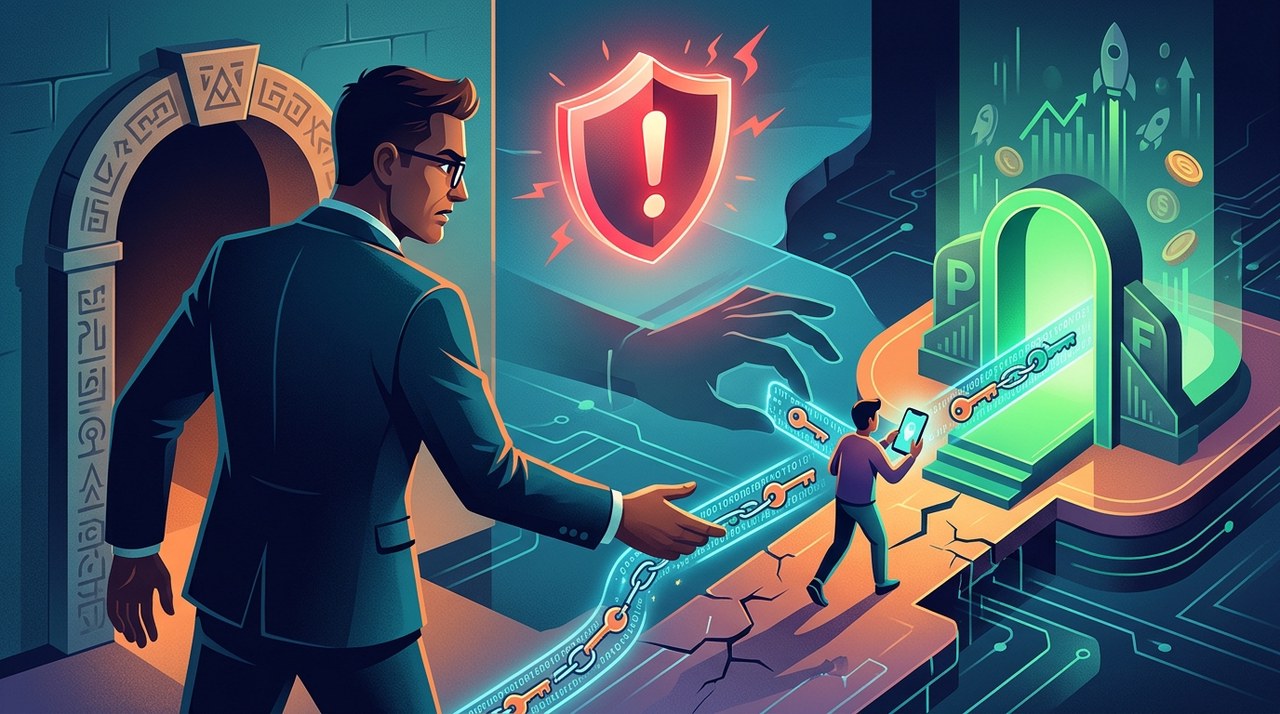
Former Mt. Gox CEO Mark Karpelès has issued a strong warning to users of the SolanaSOL+3.70%-based memecoin platform Pump.fun. He warned that the platform's upcoming account migration process could expose users' private keys to security risks.
Pump.fun Phasing Out External Wallet Logins
Pump.fun set a deadline of November 30 to stop allowing external wallet logins on its website. Moving forward, the platform is transitioning to email and social logins, allowing access via Google, Apple, and GitHub.
To transfer existing accounts to this new system, Pump.fun is asking users to import their private keys. Karpelès believes this requirement presents unnecessary risks to user funds.
Code Analysis Reveals Security Concerns
In a post on X, Karpelès shared that he reviewed Pump.fun's JavaScript code to analyze how the migration works behind the scenes. His review led him to question the platform's security claims.
At best, it is a misnomer to refer to it as end-to-end encryption.
According to Karpelès' technical breakdown, the private key migration process involves several steps:
- The browser encrypts the user's private key locally.
- The encrypted key is sent through Pump.fun's backend servers.
- The data is passed to Privy, Pump.fun's third-party wallet infrastructure provider.
Karpelès noted that Pump.fun's backend server supplies the public key used for this encryption. However, a user's browser has no method to verify whether that public key is authentic.
He also pointed out the risk of relying on external service security, warning that users must now trust that Privy's infrastructure will never suffer a hack or breach.
Is Importing Private Keys Really Necessary?
The core issue highlighted by Karpelès is that importing raw private keys should not be necessary for account migration.
He explained that Pump.fun could instead use signature-based authentication, such as the standard Sign in with Solana protocol, to verify identity.
By signing a basic message, users could easily prove wallet ownership and authorize actions without ever revealing their private keys to an external server or third party.
Key Takeaways for Crypto Users
In cryptocurrency self-custody, private keys act as the master key to your funds. Entering private keys into websites or web applications generally exposes users to security threats.
Security researchers recommend maintaining strict self-custody habits and avoiding web forms that ask for private credentials.
Latest blog posts


 +2
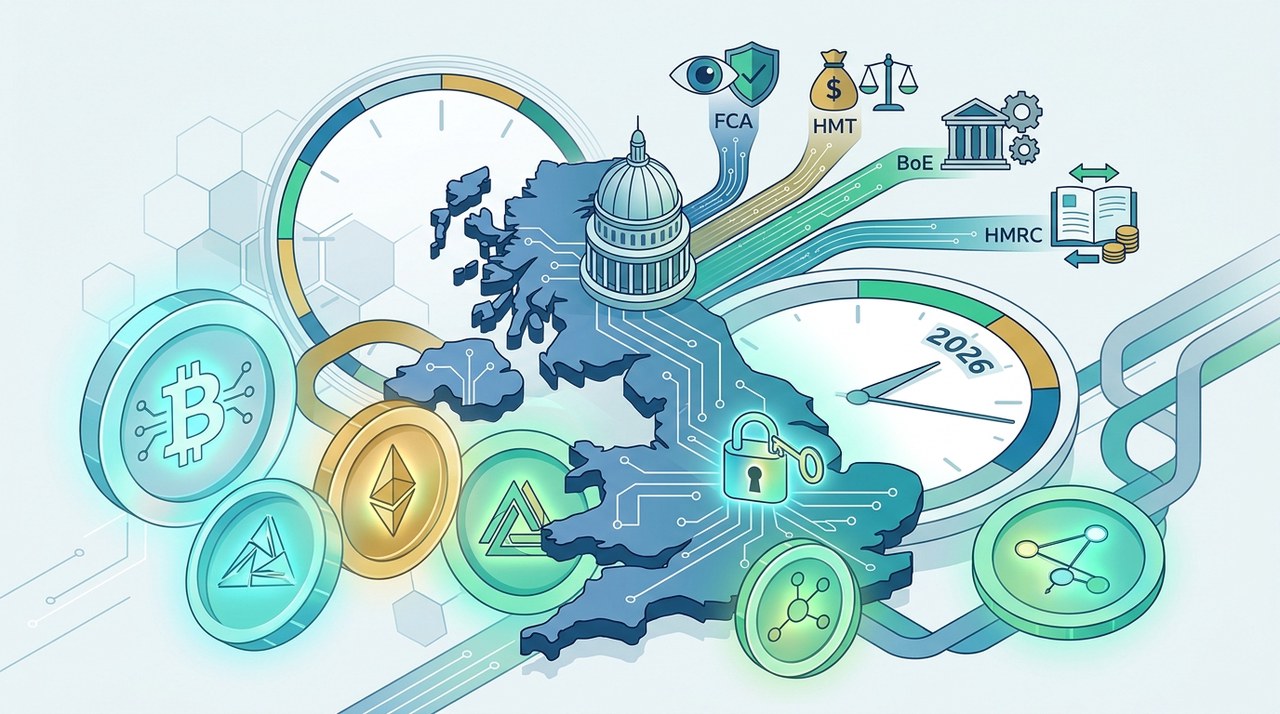
Crypto Regulations in the United Kingdom 2026
The UK has established concrete cryptocurrency regulations for 2026, covering exchange licensing, stablecoins, taxes, and market abuse controls.
|

Meta AI Chief Warns Superintelligence Is Arriving Soon
Meta AI chief Alexandr Wang points to a 167-year-old math proof as evidence of superintelligence, despite Meta spending billions on AI.
|
US Bitcoin ETFs See $1.79B Outflow as BlackRock Leads Exits
US spot Bitcoin ETFs recorded $1.79 billion in net outflows between Nov 16 and 20, driven largely by redemptions from BlackRock's IBIT fund.
|