
Ethereum Delays Glamsterdam Upgrade to Protect Apps
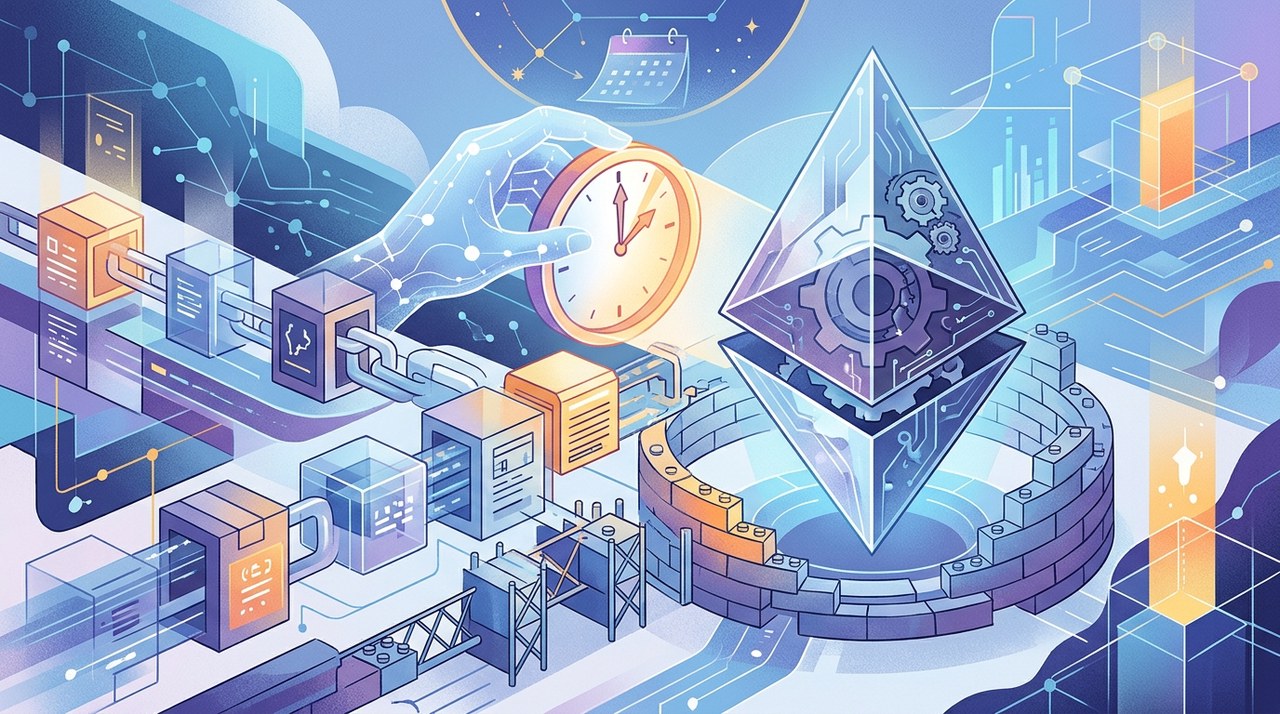
EthereumETH-4.08% Postpones Glamsterdam Upgrade to Protect Smart Contracts
Ethereum developers have officially delayed the timeline for the network next major upgrade, known as Glamsterdam.
The update was originally targeted for December. However, developers now state that January is the earliest possible launch window, with some work potentially pushing into 2027.
The decision comes as decentralized application teams work to update smart contracts that would otherwise break under the new changes.
Understanding the Glamsterdam Upgrade
To understand why this delay matters, it helps to look at how Ethereum upgrades work in practice.
Think of an Ethereum network upgrade like a major operating system update on your smartphone. Developers release new code to make the system faster, safer, and more efficient.
The Glamsterdam upgrade represents one of the next steps in Ethereum's long-term technical roadmap. It introduces updates aimed at improving overall network capabilities.
Why Smart Contracts Could Break
Smart contracts on Ethereum are self-executing programs stored on the blockchain. Once deployed, their core rules generally cannot be modified.
When core underlying rules of the Ethereum network change, some older smart contracts might interpret those instructions in unintended ways.
If developers proceeded with the upgrade without allowing extra preparation time, several issues could arise across the ecosystem:
- Failed Transactions: Older applications might reject normal user interactions.
- Disrupted Services: Decentralized finance protocols could experience operational halts.
- Unintended Risks: Outdated contract logic might create technical vulnerabilities.
Because user funds rely on these smart contracts every day, safety and compatibility take priority over strict release dates.
New Timeline: From December to January and Beyond
Developers initially aimed to deliver Glamsterdam in December. This schedule was designed to keep network improvements moving forward quickly.
However, ongoing testing revealed that ecosystem developers need more time to inspect, modify, and re-test their application code.
As a result, core contributors confirmed that January is now the earliest possible date for the upgrade, with implementation potentially extending into 2027 if extra testing is required.
What This Means for Users and the Network
Delays in blockchain development are common and usually reflect a cautious approach to security.
By postponing the launch, Ethereum developers ensure that existing applications remain fully functional when the update goes live.
- Regular Users: Holders of ETH do not need to take any action regarding their funds.
- Developers: Teams gain valuable time to review and update affected smart contracts.
- Ecosystem: Comprehensive testing on public testnets reduces the risk of mainnet issues.
Ethereum continues to prioritize system security and backward compatibility as development progresses.
Past performance of digital assets or historical network milestones do not guarantee future results or price performance. Digital asset trading involves risk, and market conditions can change rapidly.
Latest blog posts


US Bitcoin ETFs See Institutional Inflows Return in Q3
Asset managers added 49,229 Bitcoin to US spot ETFs in Q3, ending three straight quarters of net institutional selling.
|

Hacker Sentenced to 6 Years for $11.6M Crypto Theft
Tyler Robert Buchanan received a six-year prison sentence for his role in an $11.6 million crypto phishing and SIM-swapping scheme.
|

Moonpay Applies for US National Trust Bank Charter
Crypto payments firm Moonpay has formally applied to the OCC for a federal trust bank charter to expand its stablecoin and digital asset custody offerings.
|