
Crypto Fraudster Gets 8 Years for $2.7M Jailhouse Scheme
An Audacious Theft Attempt from Inside a Cell
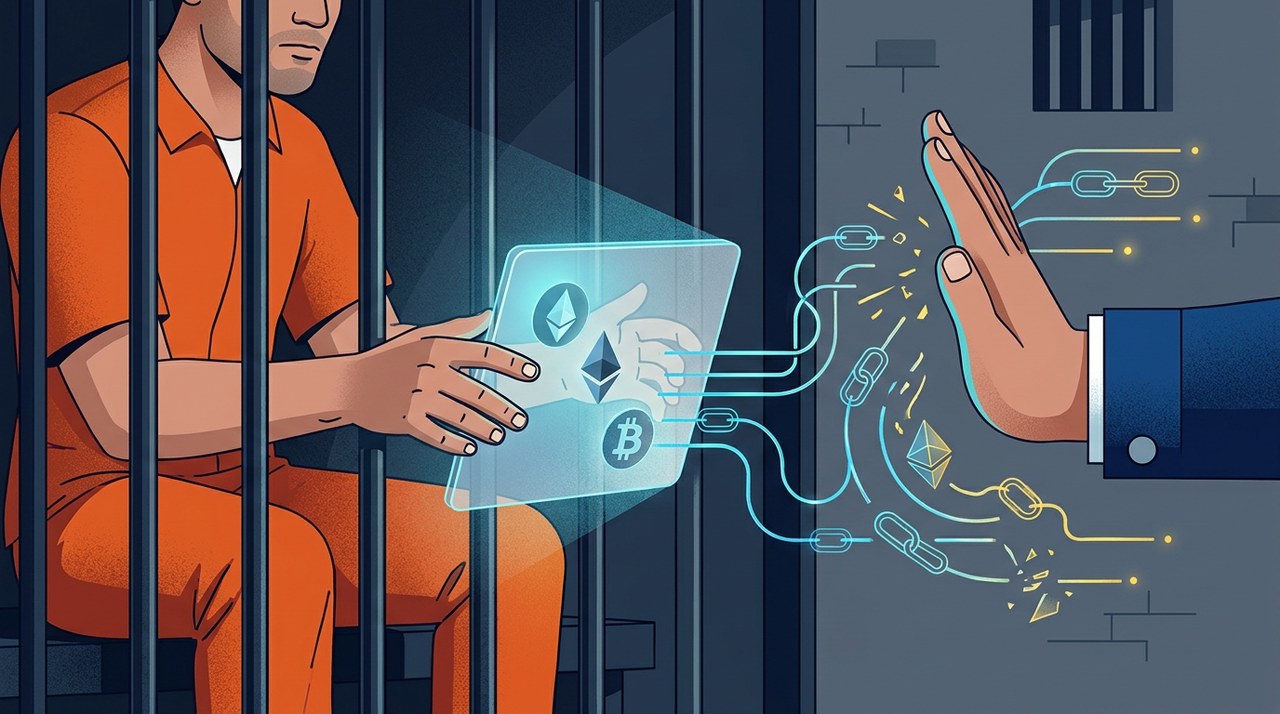
In a case that highlights ongoing challenges in correctional security, a convicted fraudster managed to direct a massive digital currency scheme right from his prison cell.
Robert Barr was sentenced to eight years in prison after being found guilty of orchestrating an attempted £2 million (around $2.7 million) cryptocurrency theft plot.
What makes this story stand out is the sheer audacity of the operation. Barr was already serving time behind bars when he set the complex theft plan in motion.
Understanding the Details of the Case
The scheme involved trying to illegally access and transfer high-value digital asset holdings worth £2 million.
Despite being incarcerated, Barr attempted to direct operations to pull off the high-stakes cyberCYBER-5.93% heist remotely.
Law enforcement agencies intervened and thwarted the operation, ensuring that the full theft attempt was brought to justice in court.
How Cybercriminals Target Cryptocurrency
Cryptocurrency transactions are designed to be permanent once confirmed on a blockchain ledger network.
Because transfers cannot easily be reversed like traditional bank transfers, digital assets can become targets for fraudsters. Criminals typically rely on several common tactics:
- Social Engineering: Tricking victims into revealing private keys, passwords, or security codes.
- SIM Swapping: Hijacking a mobile phone number to intercept two-factor authentication (2FA) security codes.
- Phishing Attack Vectors: Creating fake login portals that mirror popular crypto exchanges to capture victim credentials.
- Remote Directives: Coordinating with outside networks or accomplices to move illicit funds rapidly.
Why Law Enforcement Can Trace Crypto Crime
A common misconception is that digital assets are entirely untraceable and anonymous.
In reality, public blockchains act like open digital balance books where every transaction leaves a permanent footprint.
Specialized law enforcement units use advanced blockchain analysis tools to map wallet connections and pinpoint offenders.
Essential Tips to Protect Your Digital Assets
While news of high-value fraud can sound concerning, basic security practices go a long way in keeping funds safe.
Here are simple protective measures every crypto holder should consider:
- Use Cold Storage: Store significant amounts of cryptocurrency on offline hardware wallets.
- Avoid SMS Authentication: Switch to authenticator apps or physical security keys for two-factor verification.
- Protect Recovery Phrases: Never store your seed phrase online, in emails, or in digital photo albums.
- Verify Website URLs: Always double-check web domain addresses before logging into any platform.
Conclusion
The eight-year prison sentence handed to Robert Barr highlights the serious legal penalties associated with digital financial crimes.
As law enforcement capabilities and blockchain intelligence continue to mature, tracking and stopping crypto fraud remains a top priority for global justice systems.
Latest blog posts

Meet Spiko: The $2.39B Tokenized Fund You Might Not Know
Spiko's flagship fund, SAFO, recently reached $2.39 billion in assets, making it one of the largest tokenized funds globally.

FSB Urges Turkey to Tighten Crypto Oversight and Stablecoin Rules
The Financial Stability Board acknowledged Turkey's crypto licensing progress while calling for stronger enforcement and targeted stablecoin rules.


Bitcoin Core Details Three Security Bugs Patched in Updates
Bitcoin Core developers have disclosed details about three security vulnerabilities that were previously patched in software updates.
|