
Bitcoin Core Details Three Security Bugs Patched in Updates
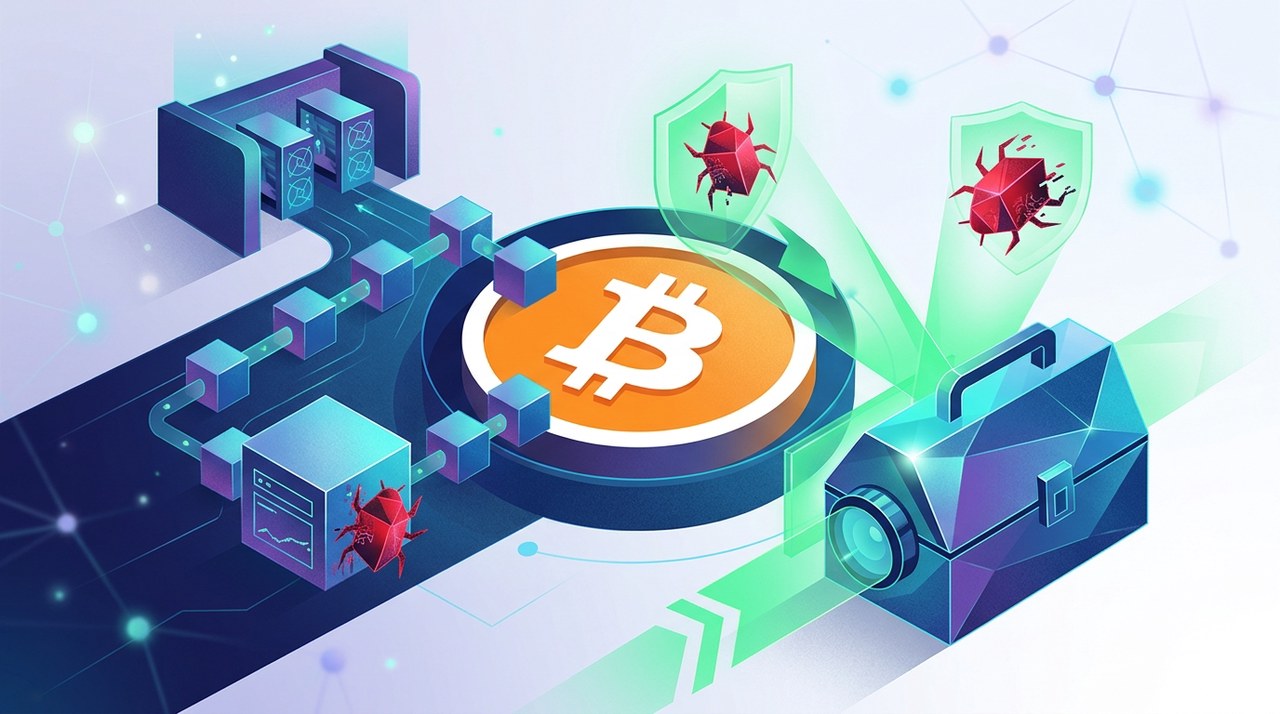
BitcoinBTC+0.19% Core Reveals Details on Three Security Bugs
Bitcoin Core developers have officially shared details about three security vulnerabilities. All three flaws were already fixed in earlier software releases before this public notice.
Among these issues was a high-severity bug. It specifically affected how miners create block templates when building new blocks for the blockchain network.
Understanding Bitcoin Core and Why It Matters
If you are new to crypto, you might wonder what Bitcoin Core actually is. Think of it as the primary operating system of the Bitcoin network.
It is open-source software that powers full nodes. It verifies transactions, enforces network rules, and keeps the entire blockchain synchronized.
Because Bitcoin Core runs so much of the network, security is the top priority for developers. Finding and fixing bugs is a routine part of keeping the ecosystem safe for everyone.
A Closer Look at the High-Severity Mining Bug
The most significant issue among the three disclosures involved block template creation. But what does that mean in simple terms?
When miners prepare to add a new group of transactions to the blockchain, they need a blueprint. This blueprint is called a block template.
The template tells the miner which valid transactions to include and how to arrange them. A flaw in this creation process can disrupt mining operations.
For example, a high-severity flaw in template creation could cause mining nodes to crash. It could also lead to wasted processing power if a miner accidentally builds an invalid block.
Fortunately, developers identified the issue and deployed a patch well before publishing the technical details to the public.
Why Developers Disclose Bugs After Fixing Them
You might wonder why software developers wait before making security flaws public. This approach is standard practice known as responsible disclosure.
If developers reveal a vulnerability before a fix is ready, attackers could exploit it. That would place user node software and network operations at risk.
Instead, the developer team follows a structured process to maintain safety:
- Security researchers or developers discover a vulnerability.
- The team quietly writes and tests a fix for the software.
- They release an updated version of Bitcoin Core to the public.
- Miners and node operators upgrade their software to the secure version.
- Developers publish the technical details so the community can learn from the bug.
This step-by-step process gives network participants enough time to secure their systems safely.
What Miners and Node Operators Need to Do
If you run a Bitcoin full node or operate mining hardware, keeping your software up to date is essential.
Running outdated software leaves your system vulnerable to known issues. Regularly updating your node software helps protect your setup and supports network stability.
Most software updates are quick to install. Developers strongly advise node operators to run active, fully supported software releases.
The Power of Open-Source Security
Bitcoin has operated continuously for over fifteen years. A key reason for its strong track record is continuous peer review by global security experts.
Because the source code is public, anyone can review it. Global developers constantly audit the code, hunt for potential weaknesses, and propose fixes.
This transparent environment helps the network grow stronger over time. Each patched vulnerability closes off potential vectors for future attacks.
What This Means for Everyday Bitcoin Holders
For everyday crypto users holding funds in wallets or on exchanges, these technical updates do not require direct action with your assets.
Your coins remain recorded on the public ledger as usual. However, these regular disclosures demonstrate how active the developer community is behind the scenes.
Staying informed about technical upgrades offers a clearer picture of how decentralized networks maintain long-term security.
You can check real-time market data on Bitkub. Past performance of digital assets is no guarantee of future results.
Latest blog posts

Meet Spiko: The $2.39B Tokenized Fund You Might Not Know
Spiko's flagship fund, SAFO, recently reached $2.39 billion in assets, making it one of the largest tokenized funds globally.

FSB Urges Turkey to Tighten Crypto Oversight and Stablecoin Rules
The Financial Stability Board acknowledged Turkey's crypto licensing progress while calling for stronger enforcement and targeted stablecoin rules.

Arca Desktop App Opens Public Access to Monetize AI Sessions
Arca, a desktop application built by the Brevis team, is now open to all Mac and Windows users, allowing individuals to earn rewards by sharing anonymized AI chat logs.